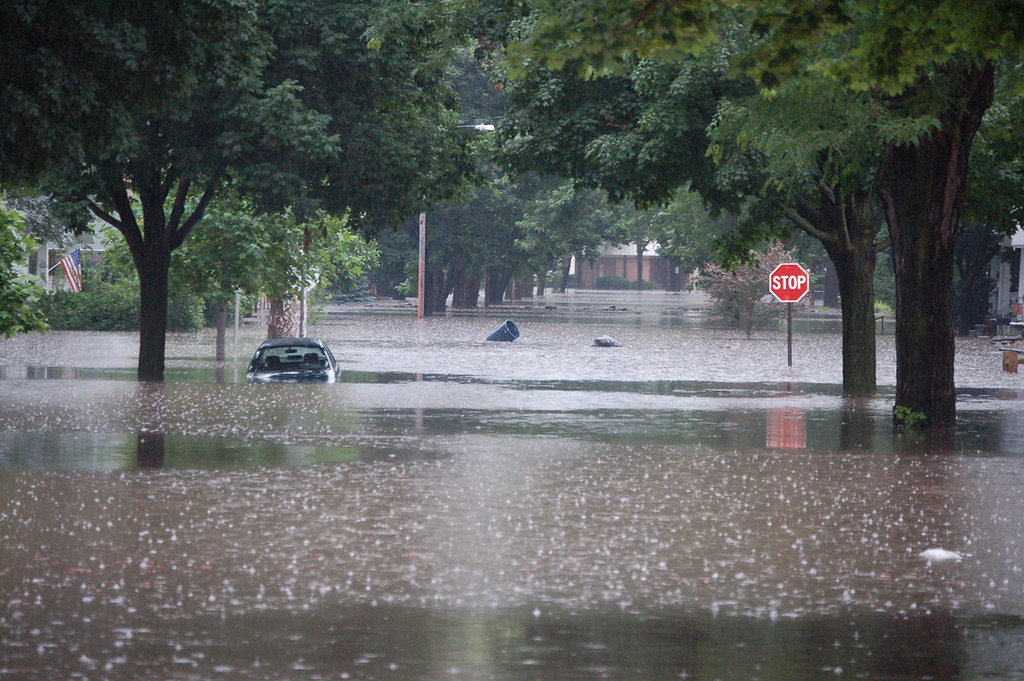
August 2026 Flash Flood Warning — Beaver, Milford, Minersville — Emergency Restoration
- Recovery resources and next steps
- Insurance claim guidance
- Lessons learned for future prevention
- Professional restoration support
Mold can start growing within 24–48 hours of water exposure. Fast extraction and drying dramatically reduce secondary damage and health risks.
Live Conditions
Real-time weather radar for Utah
- Do NOT stand in water near electrical outlets or appliances
- Shut off main water supply if the source is a pipe or appliance
- Turn off electricity to affected areas at the breaker — only if safe to reach
- Do NOT use household vacuums on standing water
- Move to higher ground if water is rising rapidly
How DRT Helped Utah Recover from the August 2026 Flash Flood — Beaver, Milford & Minersville
A case study and recovery resource from the Disaster Repair Team
About This Event
On August 10, 2026, the National Weather Service Salt Lake City issued a Flash Flood Warning at 3:17 PM MDT for communities across Beaver County, including Beaver, Milford, and Minersville. The warning remained in effect until 6:00 PM MDT, but the damage left behind affected homes and businesses for weeks afterward.
The Disaster Repair Team (DRT) mobilized immediately and worked alongside affected residents and business owners throughout the recovery process. This page documents what happened, what we learned, and what any property owner should know if they face a similar event in the future.
What Property Owners Faced After the Flood
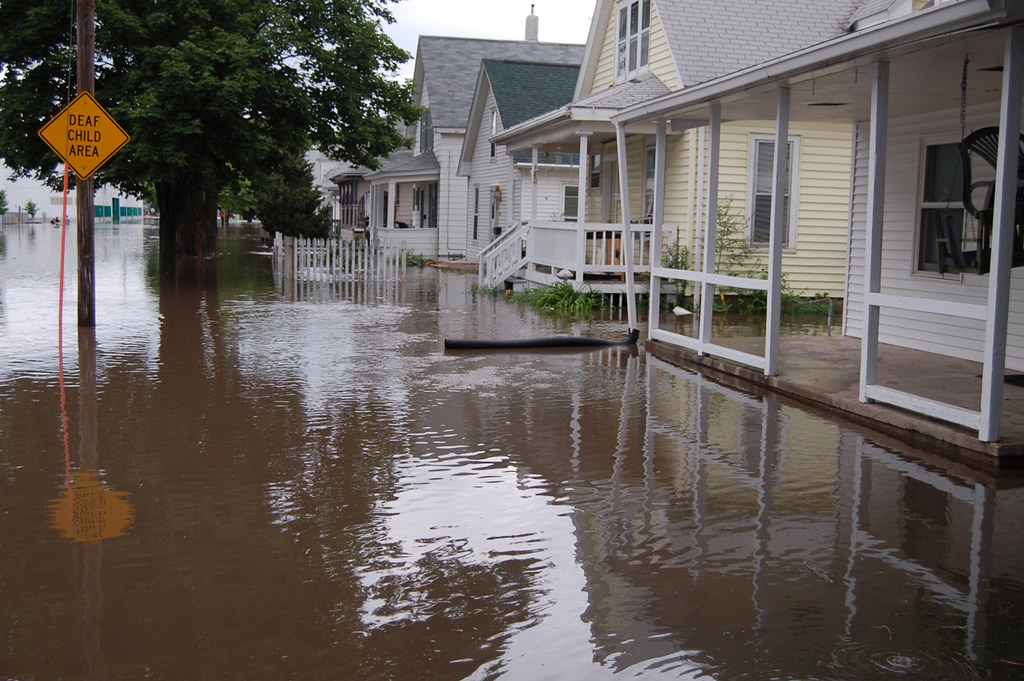
In the hours and days following the August 2026 flash flood, homeowners and business owners throughout Beaver, Milford, and Minersville encountered a range of urgent challenges:
- Rapidly accumulating standing water inside structures
- Saturated flooring, drywall, and insulation requiring immediate extraction
- Structural concerns in older buildings that absorbed significant water intrusion
- Delayed insurance documentation due to the speed and scale of the event
- Mold risk that emerged within 24–48 hours in affected spaces
What We Did — DRT's Response
DRT arrived on-site with fully equipped crews capable of handling every phase of water damage restoration. Our team provided:
- Emergency water extraction — removing standing water quickly to limit structural absorption
- Industrial structural drying — deploying commercial dehumidifiers and air movers throughout affected spaces
- Board-up and tarping services — securing properties where the flood had compromised entry points or roofing
- Mold remediation — identifying and treating mold growth that developed in the days following the event
- Full rebuild coordination — managing repairs from initial cleanup through complete restoration
- Direct insurance coordination — working alongside adjusters to document damage thoroughly and advocate for our clients
What to Do After a Flash Flood — Practical Steps That Still Apply
Whether you experienced this event or are preparing for future flooding, the steps our clients took that led to the best outcomes are consistent. If your property has been affected by flooding, follow this guidance:
- Prioritize your family's safety above all else — do not re-enter a property until authorities confirm it is safe
- Document everything before cleanup begins — photograph and video every affected room, damaged item, and visible waterline
- Avoid structurally compromised areas — saturated floors, walls, and foundations can fail without warning
- Contact your insurance company as soon as possible — early notification protects your claim timeline
- Call a professional restoration team immediately — every hour of delay increases the risk of mold, structural damage, and higher repair costs
If you're dealing with flood damage now, call DRT at 385-287-6344 for 24/7 emergency response.
Lessons Learned from the August 2026 Flood
Having worked through this event from first response to final rebuild, our team identified several lessons that are directly relevant to any property owner in Beaver County or the surrounding region:
1. Speed Is Everything
The properties that sustained the least long-term damage were those where extraction began within the first few hours. Owners who waited — even overnight — faced significantly higher remediation costs and extended timelines due to mold and deep structural saturation.
2. Documentation Determines Your Insurance Outcome
Clients who had clear photo and video documentation before any cleanup began received smoother, faster insurance settlements. Those who began cleaning up without documenting first sometimes struggled to substantiate the full extent of their losses.
3. Flash Floods Move Fast — and So Does Mold
Several properties showed early mold growth within 36 hours of the flood. Utah's summer heat accelerated the timeline. Property owners who assumed they had several days to act were caught off guard. In warm conditions, 24–48 hours is the critical window.
4. Not All Damage Is Visible
Water migrates. Many of the most significant damage findings in this event were inside wall cavities, under flooring, and in crawl spaces — invisible to the naked eye. Professional moisture mapping identified hidden saturation that would have become serious structural and health issues if left untreated.
5. Local Matters
National restoration chains faced delays getting crews and equipment to Beaver County. DRT's local presence meant faster mobilization, direct communication, and ongoing accountability throughout every phase of the project.
About DRT — We've Been Through This Before
The Disaster Repair Team is a locally rooted restoration company serving communities across Utah. We've responded to flash floods, winter storms, fires, and structural emergencies throughout the region — including events just like this one. We know this terrain, these communities, and what it takes to restore properties here.
We provide 24/7 emergency restoration services including water extraction, structural drying, board-up, mold remediation, and full rebuild coordination. We work directly with your insurance company from day one.
Need Help Now or Want to Be Ready for Next Time?
If your property was affected by flooding — in this event or any other — DRT is ready to help.
Call us 24/7: 385-287-6344
We also offer free consultations for property owners who want to assess existing water damage or discuss flood preparedness for the future. Don't wait for the next warning to find out whether your property is at risk.
Call DRT at 385-287-6344 — we've helped this community recover before, and we're here to do it again.
```Affected Areas
Select a city for location-specific emergency information and restoration resources.
What to Expect When You Call
Here's how DRT responds to emergency calls:
Need Help Now?
The Disaster Repair Team provides 24/7 emergency restoration services across Utah.
Request Help Online