1
Identify What Has To Come Out
The first step is deciding whether the insulation is wet, contaminated, smoke-damaged, mold-affected, or otherwise unsuitable to leave in place.
Attic insulation removal, blown-in insulation, wall insulation replacement, spray insulation, and post-damage reinstall work handled in-house to keep restoration and reconstruction moving faster.
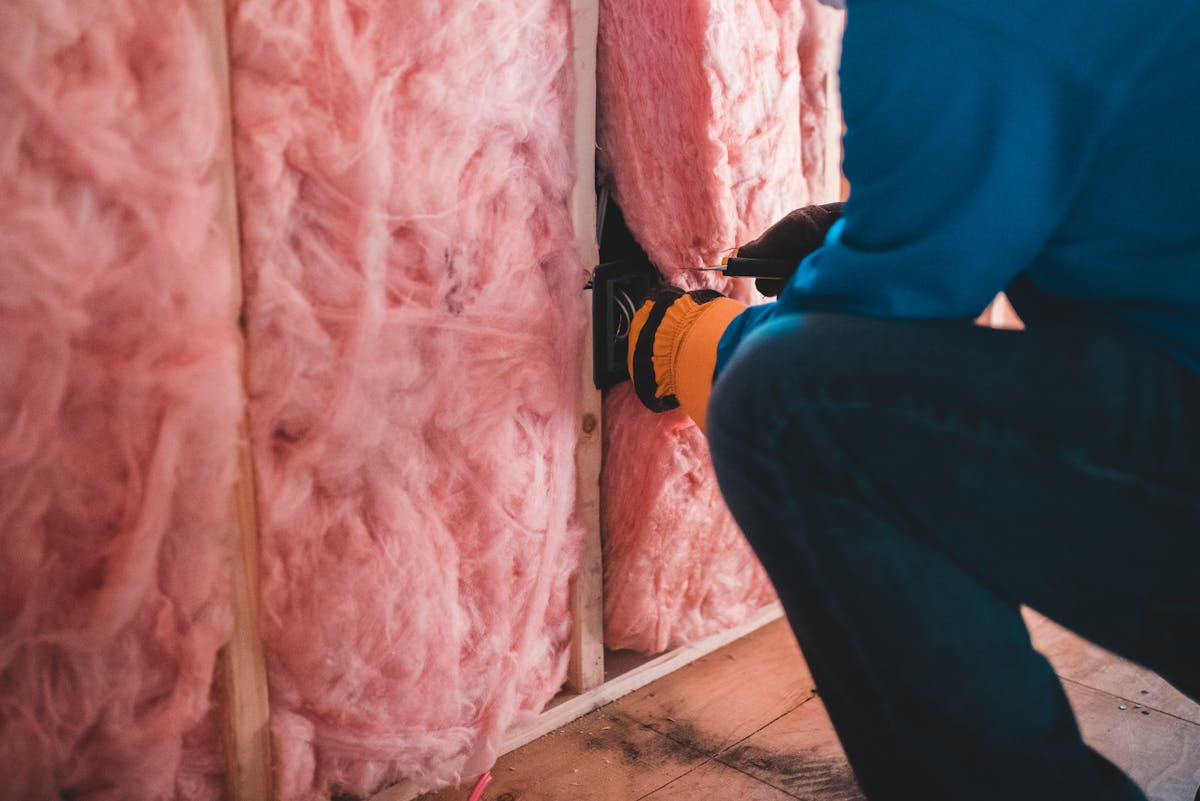
Removing and replacing insulation under the same team helps the rebuild move faster, reduces trade handoffs, and keeps cleanup, repair, and reinstall work better coordinated.
Insulation work is easy to treat like a side trade until a restoration job reaches the point where contaminated, wet, smoke-damaged, or mold-affected material actually has to come out. At that point, speed and coordination matter. The work affects attic cleanup, wall rebuilds, drying, containment, and final reconstruction quality.
Our team handles attic insulation removal, attic insulation replacement, blown-in insulation, wall insulation installation and replacement, spray insulation, insulation removal after mold, fire, smoke, or water damage, and insulation reinstallation after remediation or reconstruction. Keeping that scope under one roof helps the project move faster and stay better coordinated.
The first step is deciding whether the insulation is wet, contaminated, smoke-damaged, mold-affected, or otherwise unsuitable to leave in place.
Attic or wall insulation can be removed with the right equipment and containment approach so surrounding work areas stay cleaner and safer.
Once remediation, drying, or demolition is complete, the insulation scope can be coordinated directly with the rest of the repair work.
Blown-in, wall, spray, or replacement insulation can then be installed without waiting for an outside handoff to catch up with the job.
Insulation usually becomes a priority when it is wet, contaminated, smoke-affected, mold-damaged, or removed during reconstruction. At that point, the goal is not just replacement. It is keeping the whole project moving without waiting on another trade to catch up.
Best fit for attics with wet, contaminated, smoke-affected, or mold-damaged insulation that needs to be removed, bagged out, and replaced so cleanup and rebuild work can move forward cleanly.
Best fit when wall cavities are already open during mitigation or reconstruction and insulation has to be replaced before drywall, texture, and finish work can be completed.
Best fit after mold remediation, water damage drying, smoke cleanup, or demolition work when new insulation has to go back in before the final rebuild can be completed.
Keeping insulation removal, replacement, and reinstall work under one contractor helps reduce scheduling delays, improve quality control, and keep the job moving through cleanup, rebuild, and closeout more smoothly.
Attic insulation often has to come out after roof leaks, plumbing failures, mold contamination, or smoke exposure. Removing damaged material, bagging it out properly, and preparing the area for cleanup or rebuild work helps protect the rest of the project.
When drywall is opened during mitigation, reconstruction, or odor removal, wall insulation frequently becomes part of the real scope. Handling that replacement in-house helps keep drywall, insulation, and finish work moving on the same schedule.
When insulation work is left to an outside scheduling handoff, the whole job can slow down. The attic may be ready, the walls may be open, or the rebuild may be waiting, but the next step still depends on another trade picking up the scope. Keeping insulation removal and replacement in-house helps reduce that friction.
It also improves quality control. The same team can understand why the material came out, what contamination or moisture issue drove that decision, and how the reinstall should align with the rest of the repair. That is especially valuable when insulation is being replaced after mold remediation, water damage drying, smoke cleanup, or reconstruction work.
Wet attic insulation after a leak, smoke-damaged insulation after a fire, or mold-contaminated blown insulation are not side issues. They are often part of the actual repair scope. Handling that work in-house keeps insulation removal, cleanup coordination, and reinstallation tied directly to the rest of the project.
That means one team can remove damaged material, coordinate with drying or remediation work, and reinstall new insulation as the project moves into repair and rebuild. For property owners, that usually means fewer scheduling delays and better continuity across the job.
Common insulation scopes include attic insulation removal, attic insulation replacement, blown-in attic insulation, wall insulation replacement, spray insulation, insulation removal after mold, insulation replacement after water damage, smoke-damaged insulation removal, and insulation reinstallation after remediation or reconstruction.
When insulation removal, cleanup coordination, and reinstallation stay with one contractor, the project usually moves faster and with fewer scheduling gaps. That is especially helpful when insulation is only one part of a bigger water, mold, fire, or reconstruction scope.
Yes. Attic insulation removal is one of the clearest fits for this service, especially when the material is wet, contaminated, or no longer suitable to leave in place.
Yes. Smoke-damaged or odor-affected insulation may need to be removed and replaced as part of a larger cleanup and rebuild scope.
Yes. Blown-in insulation is part of the service mix, especially for attic replacement work after remediation or reconstruction.
Yes. Wall insulation replacement is already part of many rebuild projects, and the work is handled in-house to reduce extra trade handoffs.
It helps reduce scheduling delays, improves quality control, and keeps the restoration and reconstruction process more coordinated from start to finish.
Share a few details and the team can follow up as quickly as possible.