Emergency Flood & Water Damage Restoration — Green River
- Recovery resources and next steps
- Insurance claim guidance
- Lessons learned for future prevention
- Professional restoration support
Mold can start growing within 24–48 hours of water exposure. Fast extraction and drying dramatically reduce secondary damage and health risks.
Live Conditions
Real-time weather radar for Utah
How DRT Helped Green River Recover from the August 2026 Flash Flood Warning
A Case Study & Recovery Resource for Castle Dale, Ferron, and Green River, UT
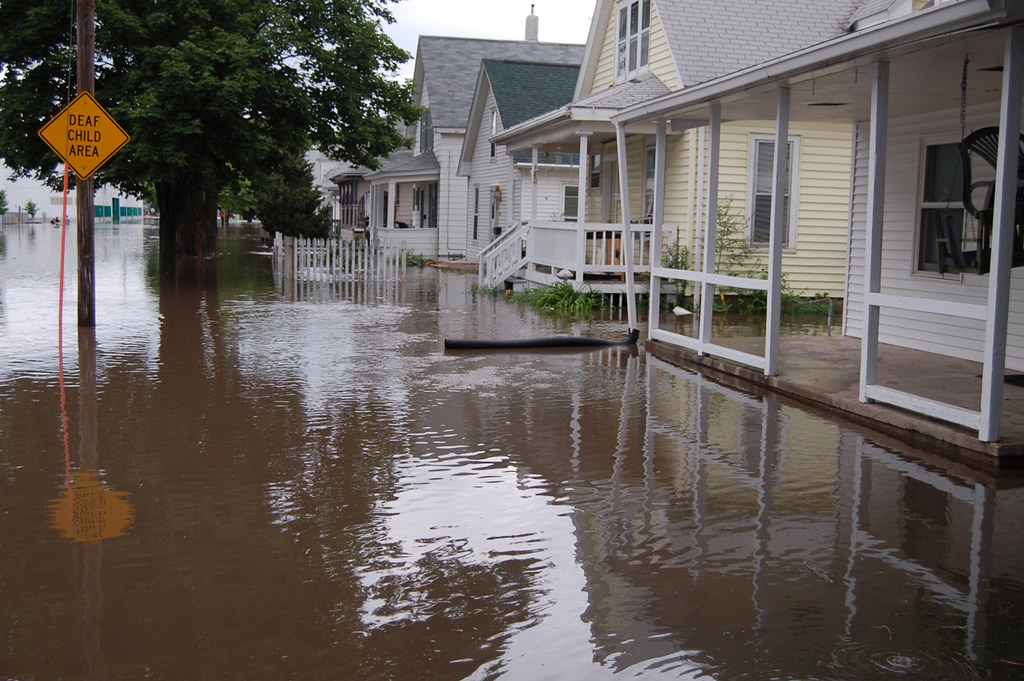
On August 29, 2026, the National Weather Service Salt Lake City issued a Flash Flood Warning for the Green River area at 4:59 PM MDT, effective through 7:30 PM MDT. In the hours and days that followed, the Disaster Repair Team (DRT) mobilized to help homeowners and businesses across Castle Dale, Ferron, and Green River assess damage, begin restoration, and navigate the insurance process.
If you were affected by this event — or are dealing with flood or water damage now — this page documents exactly what happened, how residents responded, and what DRT did to help. Use it as your recovery roadmap.
Questions about your property? Call DRT anytime: 385-287-6344
What Homeowners Did in the First 24 Hours (And What You Should Too)
The steps taken immediately after a flood event have a direct impact on how much damage spreads and how smoothly your insurance claim goes. Here is what we advised — and what the most prepared homeowners did — after the August 2026 event:
- Put family safety first. Before re-entering any structure, residents confirmed there were no active safety hazards — downed lines, gas leaks, or structurally compromised areas.
- Document everything before cleanup begins. Homeowners who photographed and video-recorded all damage from multiple angles had significantly smoother insurance claims. Do not move or discard anything before documenting it.
- Avoided structurally compromised areas. Floodwater can undermine foundations and weaken flooring. When in doubt, wait for a professional assessment before entering.
- Contacted their insurance company promptly. Early notification opened claims faster and reduced delays in getting restoration work authorized.
- Called DRT to begin emergency water extraction. The faster standing water and moisture were removed, the less secondary damage — including mold — occurred in the weeks that followed.
Dealing with flood damage now? The same steps apply. Call DRT: 385-287-6344
How DRT Responded to the August 2026 Flood Event
DRT's crews were already familiar with the terrain and vulnerability of properties along the Green River corridor. When the warning was issued, our team was positioned to respond immediately. In the days that followed, we provided:
- 24/7 emergency water extraction to stop damage from spreading
- Structural drying using industrial dehumidifiers and air movers
- Board-up and tarping services to protect exposed structures
- Mold remediation for properties where moisture had lingered
- Smoke and soot removal where secondary fire or debris hazards were present
- Full rebuild coordination from initial damage assessment through finished repairs
- Direct insurance billing and documentation support to reduce the burden on property owners
We worked directly with insurance adjusters on behalf of our clients throughout Emery County, reducing back-and-forth delays and helping families return to normal faster.
Lessons Learned from the August 2026 Flash Flood
Every disaster event teaches us something. Here is what stood out from the Green River flash flood response — practical takeaways that apply to any future flood or water damage event in this region.
1. Speed matters more than almost anything else.
Properties where water extraction began within the first few hours consistently had less structural damage and lower mold risk than those where water sat for 24–48 hours. Do not wait to see if it dries on its own.
2. Flash floods move fast and leave hidden moisture.
The August 2026 warning window was under three hours — but the moisture that entered walls, subfloors, and crawl spaces lingered for weeks without professional drying equipment. Visible dryness does not mean structural dryness.
3. Documentation saved claims.
Homeowners who documented damage thoroughly before any cleanup — including water lines on walls, damaged contents, and affected mechanical systems — received faster and more complete insurance settlements.
4. Rural properties in Castle Dale and Ferron faced slower recovery without a local team.
Out-of-area contractors took days to arrive and were unfamiliar with local building materials and conditions. Having an established local restoration team on call made a measurable difference in recovery timelines.
5. Mold was the second disaster.
For properties where drying was delayed or incomplete, mold remediation became necessary within two to three weeks. Investing in proper structural drying upfront is almost always less costly than addressing mold after the fact.
6. Insurance works best when you have an advocate.
Homeowners who had DRT communicate directly with their adjuster and provide professional moisture documentation reported fewer claim disputes and faster approvals.
About DRT — The Local Team That Has Been Through This Before
The Disaster Repair Team is a locally based emergency restoration company serving Green River, Castle Dale, Ferron, and the surrounding communities of Emery County. We have responded to flash floods, water intrusion events, and storm damage across this region and understand the specific conditions that affect properties here — from desert soils that channel water unpredictably to older construction materials common in rural Utah homes.
We are not a national franchise dispatching unfamiliar crews. When you call DRT, you reach a team that knows this area, is available around the clock, and handles everything from first response through final rebuild.
If your property was affected by the August 2026 flood event or any subsequent water damage, we are ready to help.
Call DRT 24/7: 385-287-6344
Frequently Asked Questions After a Flash Flood
How long do I have to file a flood damage claim?
Most homeowner and flood insurance policies require prompt notification — typically within a few days of the event. Contact your insurer as soon as it is safe to do so, then call DRT to begin documentation and mitigation.
Will my homeowner's insurance cover flash flood damage?
Standard homeowner's policies typically do not cover flood damage from surface water. Flood coverage is usually provided through a separate NFIP or private flood insurance policy. DRT can help you identify what is covered and document your claim accordingly.
How quickly can mold develop after flooding?
Mold can begin to grow within 24–48 hours in wet conditions. Professional drying and moisture mapping are the most reliable way to prevent it.
Do you work directly with insurance companies?
Yes. DRT works directly with your insurance adjuster to document damage, provide moisture readings, and submit the documentation needed to support your claim — at no additional cost to you.
More questions? Call us directly: 385-287-6344
```Most homeowner policies cover sudden water damage (burst pipes, appliance failures). Natural flooding typically requires separate flood insurance. Either way, DRT documents everything from day one — moisture readings, photos, scope of work — so your claim is supported whether it goes through your standard policy or a flood policy.
Frequently Asked Questions
How quickly does mold grow after flooding?
Will my homeowner's insurance cover flood damage restoration?
What should I NOT do after my home floods?
How quickly can DRT respond?
Do I need to file my insurance claim before calling DRT?
DRT serves Green River and surrounding areas. View our full Green River service area page for more about our restoration services in your area, or browse all service areas.
Need Help Now?
The Disaster Repair Team provides 24/7 emergency restoration services across Utah.
Request Help Online