Emergency Flood & Water Damage Restoration — Green River
- Recovery resources and next steps
- Insurance claim guidance
- Lessons learned for future prevention
- Professional restoration support
Mold can start growing within 24–48 hours of water exposure. Fast extraction and drying dramatically reduce secondary damage and health risks.
Live Conditions
Real-time weather radar for Utah
How DRT Helped Green River Recover from the August 2026 Flash Flood Warning
A Recovery Case Study & Resource Guide for Castle Dale, Ferron, and Green River, Utah
On August 29, 2026, the National Weather Service Salt Lake City issued a Flash Flood Warning for the Green River area at 1:37 PM MDT, with impacts continuing through 4:30 PM MDT. Homes and businesses across Castle Dale, Ferron, and Green River faced rapid water intrusion, structural damage, and the difficult road to recovery that follows any flash flood event.
The Disaster Repair Team (DRT) mobilized immediately and worked alongside affected residents and business owners throughout the recovery process. This page documents what happened, what we learned, and how we helped — so that if you're facing a similar situation now or in the future, you know exactly what to do and who to call.
Need help right now? We've been through this before and we're ready. Call us 24/7: 385-287-6344
What the August 2026 Flood Looked Like on the Ground
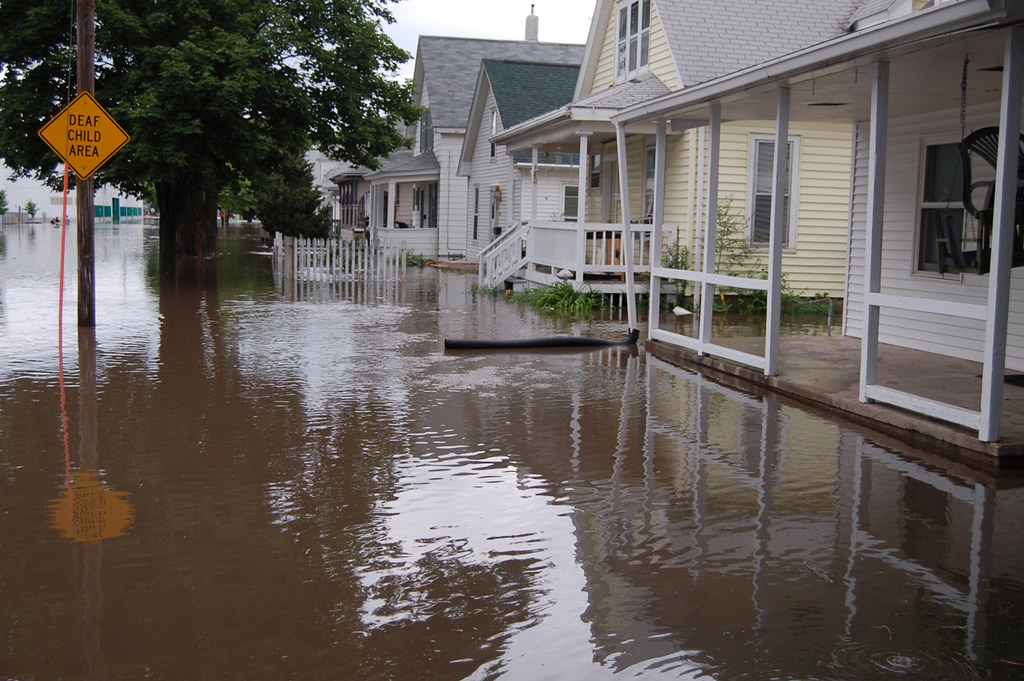
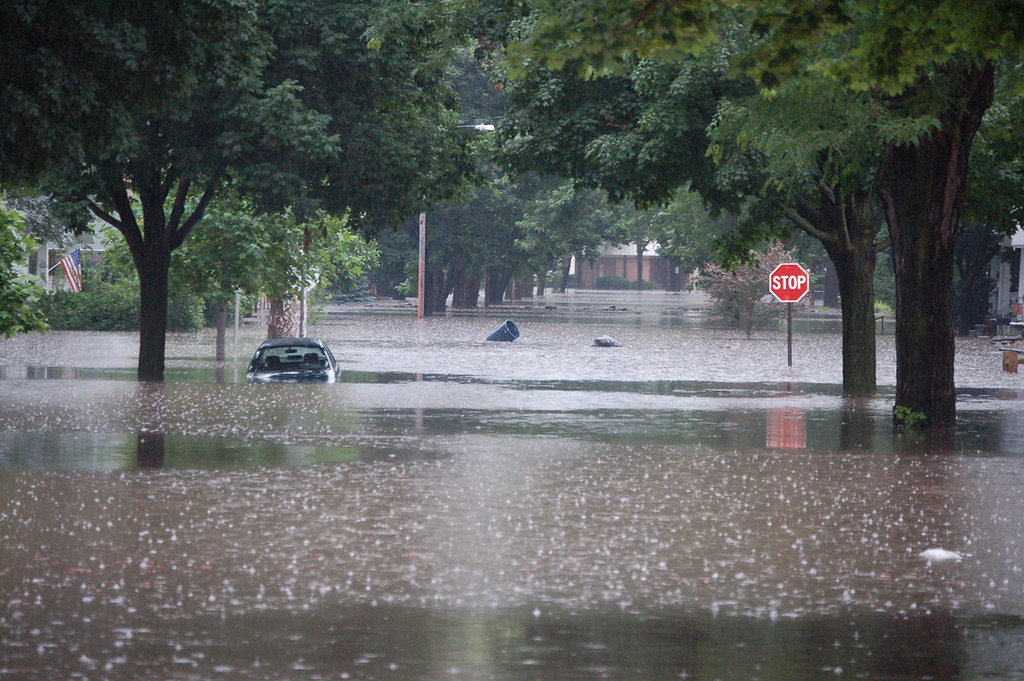
Flash floods in the Green River corridor move fast. By the time the warning was issued, water was already affecting low-lying properties. Within the first hour, DRT had received calls from homeowners dealing with flooded basements, waterlogged crawlspaces, and water-damaged commercial inventory. The combination of desert soil saturation and rapid runoff created conditions that caught many property owners off guard — even those who had lived in the area for years.
What to Do After a Flash Flood: The Checklist That Worked
Based on our experience responding to the August 2026 event, here is the step-by-step process that helped homeowners and business owners protect their property and their insurance claims:
- Prioritize your family's safety first. Before re-entering any flooded structure, confirm it is structurally sound and that utilities have been safely shut off.
- Do not enter structurally compromised areas. Flash floods can undermine foundations and weaken walls in ways that are not immediately visible. When in doubt, wait for a professional assessment.
- Document everything with photos and video. Walk through every affected area and capture detailed footage before any cleanup begins. This documentation was critical for insurance claims filed after the August 2026 event.
- Contact your insurance company as soon as possible. Reporting promptly opened the claims process and allowed DRT to work directly with adjusters on behalf of our customers.
- Call DRT to begin emergency water extraction and drying. The first 24–48 hours are the most important window for preventing mold growth and secondary structural damage. Our team was on-site within hours of the first calls after the August 2026 event.
Call DRT any time, day or night: 385-287-6344
How DRT Responded
DRT provided full-spectrum emergency restoration services in the days and weeks following the August 2026 flash flood, including:
- 24/7 emergency water extraction
- Industrial structural drying and dehumidification
- Board-up and temporary weatherproofing
- Mold remediation and prevention treatment
- Smoke and soot removal (in cases involving secondary fire damage)
- Full rebuild coordination from initial assessment through final restoration
- Direct insurance billing and adjuster communication
We worked directly with insurance companies so that our customers could focus on their families and their businesses — not on paperwork.
Lessons Learned: What the August 2026 Flood Taught Green River Property Owners
After working through the recovery with dozens of Castle Dale, Ferron, and Green River property owners, several clear lessons emerged:
1. Speed matters more than anything else.
Properties where water extraction began within the first 24 hours experienced significantly less mold development and structural damage. Waiting even a day or two to make the call resulted in more extensive — and more expensive — remediation work.
2. Flash floods happen faster than people expect.
Many affected residents had lived in the area for years without experiencing serious flooding. The August 2026 event was a reminder that desert terrain can produce rapid, dangerous runoff with little warning. Having a plan in place before the next warning is issued makes a real difference.
3. Photo documentation saved claims.
Customers who documented damage thoroughly — before moving anything or beginning any cleanup — had smoother, faster insurance claims. Those who cleaned up first and documented later faced more friction with adjusters.
4. DIY drying rarely works.
Several property owners attempted to manage drying with household fans and dehumidifiers. In most cases, moisture remained trapped in wall cavities, subfloors, and insulation, leading to mold problems weeks later. Professional moisture mapping and industrial drying equipment are not optional after a significant flood event — they are necessary.
5. Know who to call before you need them.
The homeowners who fared best were those who called DRT early and let us coordinate the process. Save our number now so you're not searching for help in the middle of an emergency.
DRT: The Local Team That Has Been Through This Before
DRT has served Castle Dale, Ferron, Green River, and the surrounding Emery County communities through multiple flood and storm events. We know the terrain, we know the insurance landscape in Utah, and we know how to move quickly when it counts. We are not a national franchise dispatching technicians from hours away — we are a local team that was here during the August 2026 flood and will be here for the next one.
If your property was affected by a flood — whether the August 2026 event or any storm since — and you have not yet had a professional moisture and damage assessment, it is not too late to call. Hidden moisture and delayed mold growth are common after flash floods, and we can evaluate your property and advise you on next steps.
Call DRT now for a damage assessment: 385-287-6344
Available 24 hours a day, 7 days a week. We work directly with your insurance company.
```Most homeowner policies cover sudden water damage (burst pipes, appliance failures). Natural flooding typically requires separate flood insurance. Either way, DRT documents everything from day one — moisture readings, photos, scope of work — so your claim is supported whether it goes through your standard policy or a flood policy.
Frequently Asked Questions
How quickly does mold grow after flooding?
Will my homeowner's insurance cover flood damage restoration?
What should I NOT do after my home floods?
How quickly can DRT respond?
Do I need to file my insurance claim before calling DRT?
DRT serves Green River and surrounding areas. View our full Green River service area page for more about our restoration services in your area, or browse all service areas.
Need Help Now?
The Disaster Repair Team provides 24/7 emergency restoration services across Utah.
Request Help Online