Emergency Flood & Water Damage Restoration — Hurricane
- Recovery resources and next steps
- Insurance claim guidance
- Lessons learned for future prevention
- Professional restoration support
Mold can start growing within 24–48 hours of water exposure. Fast extraction and drying dramatically reduce secondary damage and health risks.
Live Conditions
Real-time weather radar for Utah
How DRT Helped Hurricane Recover from the August 2026 Flash Flood — A Local Recovery Case Study
Serving Hurricane, Ivins, Santa Clara, and surrounding Washington County communities
About This Event
On August 13, 2026, the National Weather Service Salt Lake City issued a Flash Flood Warning for the Hurricane area at 6:13 PM MDT, lasting until 8:15 PM MDT. In the hours and days that followed, the Disaster Repair Team (DRT) mobilized to help homeowners and business owners across Hurricane, Ivins, Santa Clara, and nearby communities assess damage, extract standing water, and begin the road to full recovery.
This page serves as a permanent resource for anyone affected by that event — or any future flash flood — in Washington County. Whether you found us days, weeks, or months after a flood, the guidance below reflects exactly what we did in August 2026 and what we are ready to do again.
If you are dealing with flood damage right now, don't wait. Call DRT 24/7: 385-287-6344
What Happened in August 2026
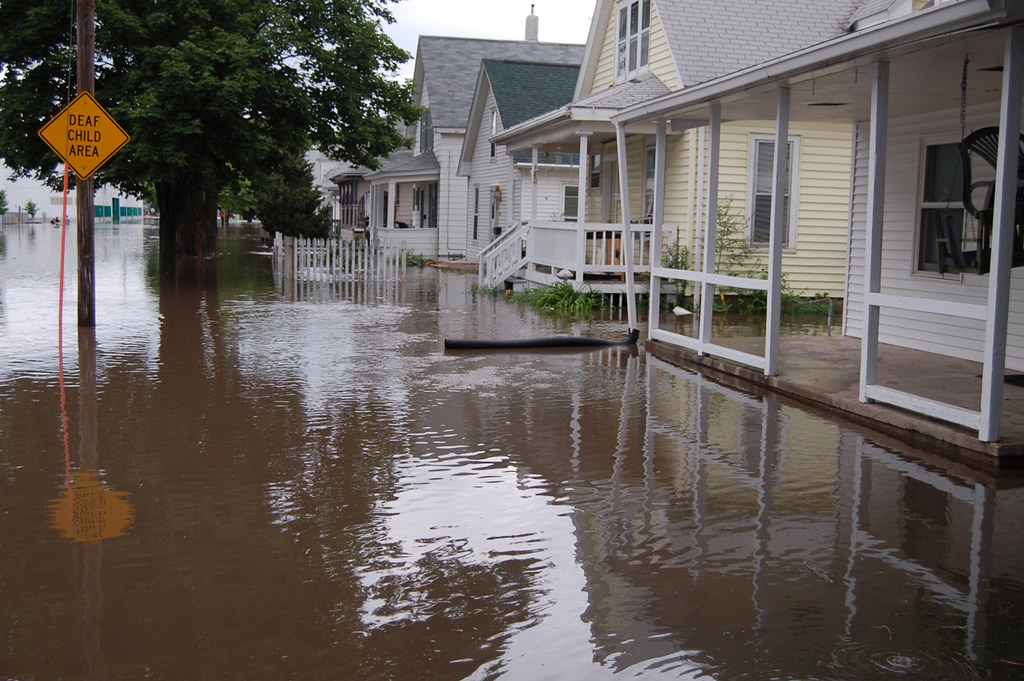
Flash flooding in the Hurricane area is not uncommon during monsoon season, but the August 13 event moved fast. Water entered homes through garage doors, window wells, and low-lying entries. Businesses along affected corridors experienced standing water within minutes of the warning. Many residents had little time to move belongings before damage was done.
DRT received calls beginning that same evening and had crews on the ground performing water extraction and moisture assessments within hours of the warning's expiration. Over the days that followed, our teams worked across multiple neighborhoods in Hurricane, Ivins, and Santa Clara, coordinating directly with homeowners and their insurance carriers to document damage and begin structural drying.
What Homeowners Did Right After the Flood (And What You Should Do Too)
The customers we helped most effectively in August 2026 were the ones who took these steps quickly. If you have experienced flooding — whether from this event or any other — this checklist still applies:
- Prioritized family safety first. No possession or structure is worth risking injury. Floodwater can carry contaminants, hide structural damage, and conduct electricity.
- Documented all damage with photos and video before moving or discarding anything. This documentation proved critical during insurance claims.
- Avoided entering structurally compromised areas. Saturated walls, undermined foundations, and swollen door frames are warning signs that a space may not be safe.
- Contacted their insurance company promptly to open a claim and establish a record of the event date.
- Called DRT immediately for emergency restoration services. The faster water extraction and drying began, the less secondary damage — including mold — homeowners faced.
Dealing with damage now? Call DRT any time, day or night: 385-287-6344
How DRT Helped During the August 2026 Recovery
From the first call to final rebuild, here is what DRT provided to affected homeowners and businesses following the August 2026 flash flood:
- 24/7 emergency response — crews were dispatched the same evening the warning was issued
- Water extraction — standing water was removed quickly to limit absorption into flooring, drywall, and framing
- Structural drying — industrial dehumidifiers and air movers were deployed to dry affected materials from the inside out
- Moisture mapping and documentation — every affected area was documented with moisture readings to support insurance claims
- Mold remediation — in cases where drying was delayed or moisture was trapped, DRT addressed mold growth before it spread
- Board-up and weatherproofing — where structures were compromised, DRT secured openings to prevent further damage
- Full rebuild coordination — from flooring replacement to drywall and paint, DRT managed the restoration process through to completion
- Direct insurance coordination — DRT worked alongside adjusters to streamline approvals and reduce delays for homeowners
Lessons Learned from the August 2026 Flash Flood
After working through dozens of homes and businesses following this event, DRT's team identified several patterns that made a meaningful difference in outcomes. These lessons are worth passing on to every Washington County resident:
1. Speed matters more than most people realize.
Mold can begin developing within 24 to 48 hours of water intrusion in Southern Utah's warm climate. Homeowners who called DRT within the first few hours consistently experienced less secondary damage and lower overall restoration costs than those who waited to "see how things dried out" on their own.
2. Visible damage is only part of the picture.
Many of the homes we assessed in August 2026 had significant moisture trapped inside walls, under flooring, and in subfloor framing — none of which was visible to the naked eye. Moisture mapping with professional equipment is the only way to know the true extent of water intrusion.
3. Flash floods in this area tend to repeat.
Hurricane, Ivins, and Santa Clara sit in a landscape shaped by flash flooding. Monsoon moisture, slickrock runoff, and the region's soil composition mean that low-lying properties and those near washes are at recurring risk. Knowing your property's vulnerability in advance — and having DRT's number saved — can make an enormous difference when the next warning is issued.
4. Insurance documentation is everything.
Claims that went smoothly in August 2026 shared one thing in common: thorough, timestamped photo and video documentation captured before any cleanup began. If you experience flooding, document everything before you move it.
5. Trying to dry out a flooded space with household fans is not enough.
Several homeowners we met had spent days running box fans after the flood. In most cases, moisture had migrated deeper into structural materials than surface drying could reach. Professional equipment — and the expertise to place it correctly — is not optional when structural drying is needed.
DRT Has Been Through This Before — And We're Ready for Whatever Comes Next
The August 2026 flash flood was not the first major weather event DRT responded to in Washington County, and it will not be the last. Our team lives and works in this community. We understand the terrain, the soil conditions, the way monsoon flooding behaves in this part of Utah, and what it takes to restore Southern Utah homes to the standard they deserve.
When the next warning is issued — or if you are still dealing with damage from a past event — DRT is the team that already knows how to respond here.
Call DRT now for 24/7 emergency flood restoration: 385-287-6344
We work directly with your insurance company and serve Hurricane, Ivins, Santa Clara, Washington, St. George, and surrounding Washington County communities.
This page was created following the National Weather Service Flash Flood Warning issued August 13, 2026 for the Hurricane, Utah area. It is maintained as a permanent local recovery resource by the Disaster Repair Team.
```Most homeowner policies cover sudden water damage (burst pipes, appliance failures). Natural flooding typically requires separate flood insurance. Either way, DRT documents everything from day one — moisture readings, photos, scope of work — so your claim is supported whether it goes through your standard policy or a flood policy.
Frequently Asked Questions
How quickly does mold grow after flooding?
Will my homeowner's insurance cover flood damage restoration?
What should I NOT do after my home floods?
How quickly can DRT respond?
Do I need to file my insurance claim before calling DRT?
DRT serves Hurricane and surrounding areas. View our full Hurricane service area page for more about our restoration services in your area, or browse all service areas.
Need Help Now?
The Disaster Repair Team provides 24/7 emergency restoration services across Utah.
Request Help Online