Emergency Flood & Water Damage Restoration — Santa Clara
- Recovery resources and next steps
- Insurance claim guidance
- Lessons learned for future prevention
- Professional restoration support
Mold can start growing within 24–48 hours of water exposure. Fast extraction and drying dramatically reduce secondary damage and health risks.
Live Conditions
Real-time weather radar for Utah
How DRT Helped Santa Clara Recover from the August 2026 Flash Flood — A Local Recovery Guide
Flash Flood Warning issued August 13, 2026 at 6:13PM MDT until 8:15PM MDT by NWS Salt Lake City UT — Affecting Santa Clara, Hurricane, Ivins, and surrounding Washington County communities
When the National Weather Service issued a Flash Flood Warning for the Santa Clara area on the evening of August 13, 2026, local homeowners and businesses had little time to react. Water moved fast — and so did the Disaster Repair Team. This page documents what happened, how DRT responded, and what every property owner in Washington County should know about recovering from flash flood damage.
If you're dealing with flood damage now — whether from this event or another storm — DRT has been through this before and is ready to help.
Call anytime, 24/7: 385-287-6344
What Happened: The August 2026 Santa Clara Flash Flood
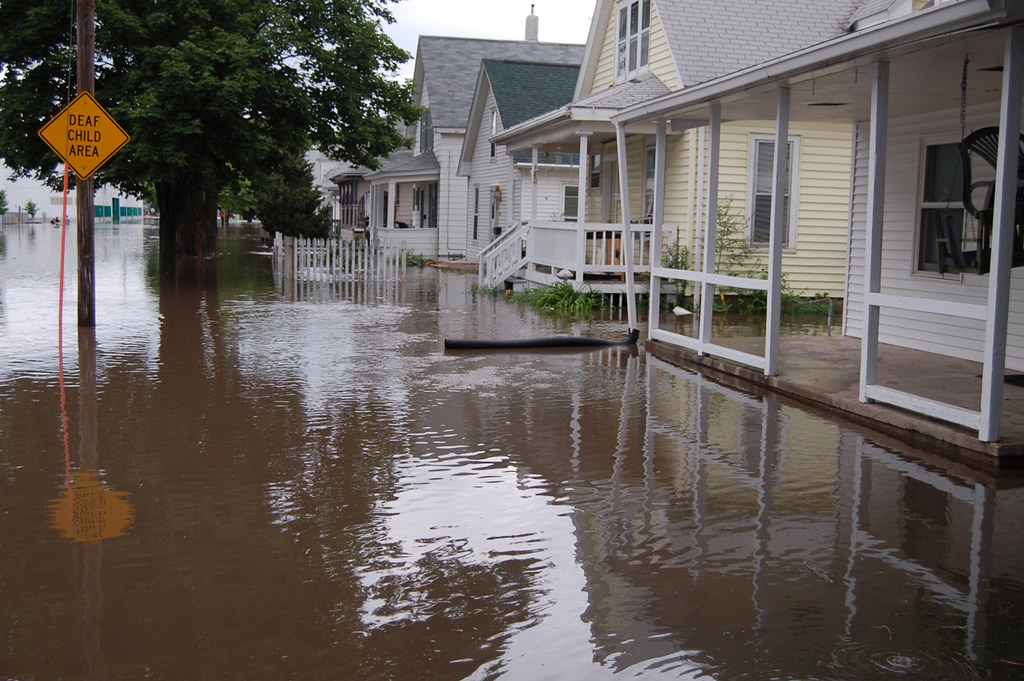
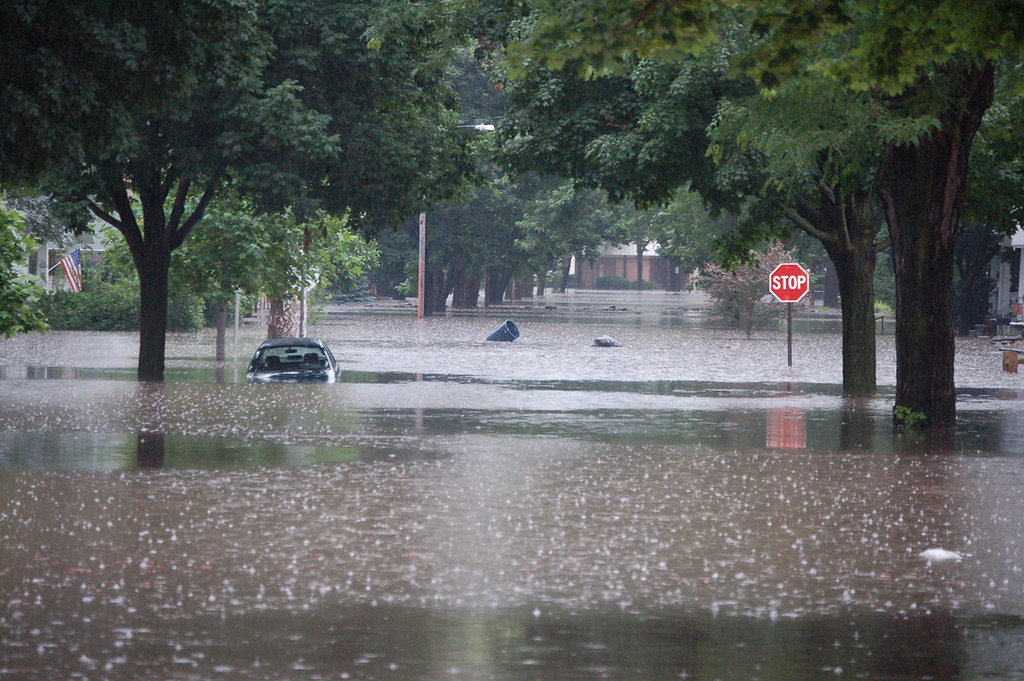
On August 13, 2026, a fast-moving storm system triggered a Flash Flood Warning across Santa Clara, Hurricane, Ivins, and neighboring communities in Washington County. Within minutes of the warning being issued, low-lying roads flooded, water entered homes and commercial buildings, and residents scrambled to protect their property.
The Disaster Repair Team mobilized immediately, responding to calls across the affected area throughout the evening and into the following days. What followed was a large-scale restoration effort — water extraction, structural drying, mold prevention, and full rebuild coordination — for dozens of local families and businesses.
What to Do After a Flash Flood (Lessons from August 2026)
Whether you experienced this event or are dealing with flood damage from a future storm, the steps that helped Santa Clara residents recover fastest were consistent:
- Prioritize your family's safety first. Do not re-enter your home until authorities confirm it is safe to do so.
- Document everything before cleanup begins. Photograph and video all damage thoroughly — walls, floors, ceilings, furniture, personal belongings, and the exterior. This documentation was critical for insurance claims in August 2026.
- Avoid structurally compromised areas. Flash floods can undermine foundations and weaken walls in ways that aren't immediately visible. When in doubt, stay out.
- Contact your insurance company as soon as possible. Early notification helped many August 2026 claimants move faster through the process. DRT can work directly with your adjuster.
- Call DRT to begin water extraction immediately. Every hour of standing water increases the risk of mold, structural damage, and long-term repair costs. Homeowners who called within the first 24 hours saw significantly better outcomes.
Dealing with flood damage? Don't wait. Call DRT now: 385-287-6344
Lessons Learned: What the August 2026 Flood Taught Washington County Homeowners
After working through dozens of restoration projects following this event, DRT's team identified several recurring themes that made the difference between a smooth recovery and a prolonged one:
1. Speed is everything with water damage.
Mold can begin developing within 24–48 hours of water intrusion. Homeowners who called DRT within the first day experienced faster drying times, lower remediation costs, and fewer long-term structural complications than those who waited.
2. "It doesn't look that bad" is often wrong.
Several August 2026 callers initially assumed their damage was minor — only surface-level water on hard floors. In many of those cases, moisture had already wicked into subfloor materials, wall cavities, and insulation. Professional moisture mapping revealed hidden damage that would have become a serious mold problem within weeks.
3. Insurance documentation makes or breaks claims.
Homeowners who photographed damage before any cleanup — and who worked with DRT's team to document restoration progress — had smoother, faster insurance outcomes. Those who cleaned up first and called later had a much harder time proving the extent of their losses.
4. Washington County's desert terrain creates unique flood risk.
The hardpan soil and canyon geography around Santa Clara, Ivins, and Hurricane means water has nowhere to absorb — it runs fast and hard. Residents who understood this risk had go-bags ready, knew their evacuation routes, and called restoration professionals before the water had even fully receded.
5. Local expertise matters.
National restoration chains dispatched crews unfamiliar with the area's construction styles, soil conditions, and common building materials. DRT's local team — already familiar with Washington County properties — was able to assess damage faster and develop more accurate restoration scopes from day one.
How DRT Responded — and How We Can Help You
The Disaster Repair Team is a Washington County-based restoration company with deep roots in Santa Clara, Hurricane, Ivins, St. George, and the surrounding communities. During the August 2026 flood event, our crews worked around the clock to deliver:
- Emergency water extraction and pump-out
- Industrial structural drying and dehumidification
- Moisture mapping and hidden damage assessment
- Mold remediation and prevention treatment
- Board-up and emergency weatherproofing
- Smoke and soot removal (for properties with secondary fire damage)
- Full rebuild coordination and reconstruction
- Direct insurance company billing and adjuster communication
We've been through this before — with this community, in this terrain, with these insurance carriers. When the next storm hits, we'll be ready again. And if you're dealing with water damage right now, we're available 24/7.
Call DRT anytime: 385-287-6344
Serving Santa Clara, Hurricane, Ivins & All of Washington County
DRT has responded to flood, fire, and storm damage events across Southern Utah. We know the neighborhoods, we know the building stock, and we know how to get Washington County families back home faster. Our team is local, licensed, and available 24 hours a day, 7 days a week.
If your property was affected by the August 2026 flash flood — or any water damage event — reach out today. There's no obligation, and a quick call can help you understand your options before damage gets worse.
Call 385-287-6344 — Available 24/7 for emergency restoration in Santa Clara, Hurricane, Ivins, St. George, and surrounding areas.
```Most homeowner policies cover sudden water damage (burst pipes, appliance failures). Natural flooding typically requires separate flood insurance. Either way, DRT documents everything from day one — moisture readings, photos, scope of work — so your claim is supported whether it goes through your standard policy or a flood policy.
Frequently Asked Questions
How quickly does mold grow after flooding?
Will my homeowner's insurance cover flood damage restoration?
What should I NOT do after my home floods?
How quickly can DRT respond?
Do I need to file my insurance claim before calling DRT?
DRT serves Santa Clara and surrounding areas. View our full Santa Clara service area page for more about our restoration services in your area, or browse all service areas.
Need Help Now?
The Disaster Repair Team provides 24/7 emergency restoration services across Utah.
Request Help Online