Emergency Flood & Water Damage Restoration — St. George
- Recovery resources and next steps
- Insurance claim guidance
- Lessons learned for future prevention
- Professional restoration support
Mold can start growing within 24–48 hours of water exposure. Fast extraction and drying dramatically reduce secondary damage and health risks.
Live Conditions
Real-time weather radar for Utah
How DRT Helped St. George Recover from the August 2026 Flash Flood Warning
A Recovery Case Study — Hurricane, Ivins, Santa Clara & Surrounding Communities
On August 13, 2026, the National Weather Service Salt Lake City issued a Flash Flood Warning for the St. George area at 6:13 PM MDT, lasting until 8:15 PM MDT. In the hours and days that followed, homes and businesses across St. George, Hurricane, Ivins, Santa Clara, and neighboring communities experienced water intrusion, structural damage, and the overwhelming uncertainty that comes with a sudden flood event.
The Disaster Repair Team (DRT) responded immediately and worked alongside affected residents and business owners throughout the recovery process. This page documents what happened, what we learned, and how our local team can help you if you're facing a similar situation now or in the future.
Dealing with flood damage right now? We've been through this before and we're ready to help.
Call DRT 24/7: 385-287-6344
What the August 2026 Flash Flood Looked Like on the Ground
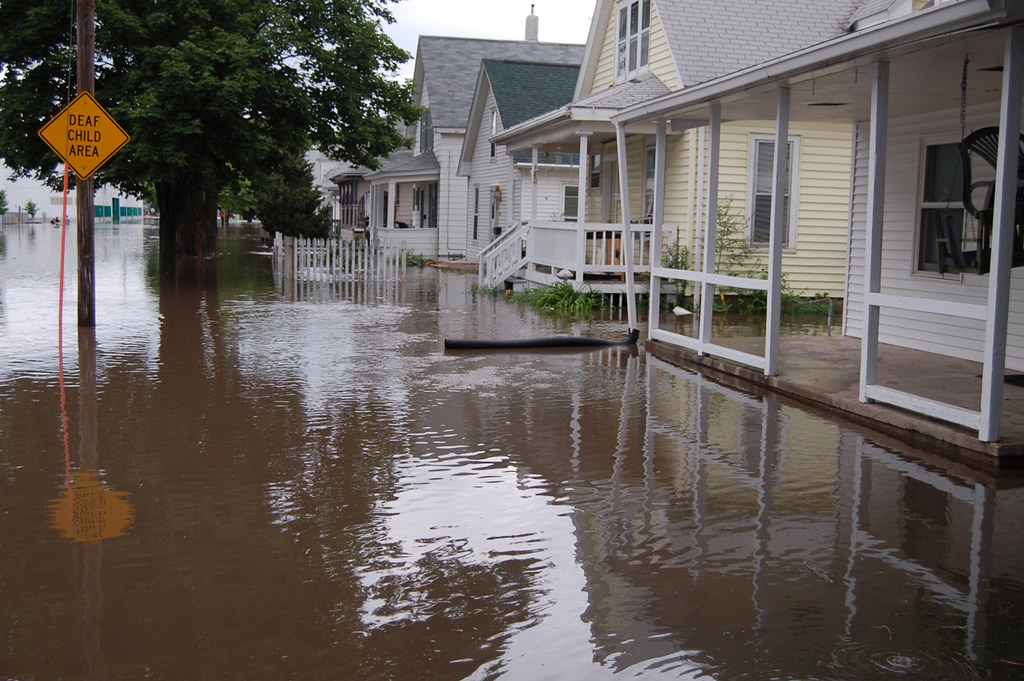
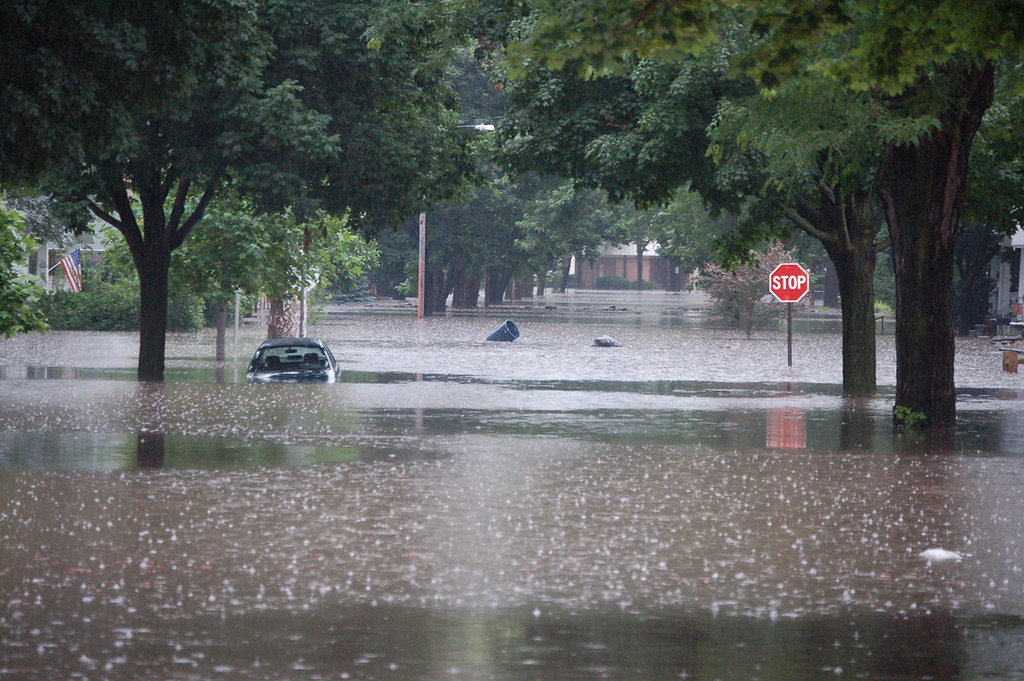
Flash floods in Washington County move fast. What began as a warning gave residents very little time to prepare before water was moving through streets, yards, and in many cases, into the lowest points of homes and commercial buildings. Areas in Hurricane and Santa Clara with natural drainage channels saw some of the most significant flow, while properties along washes in Ivins and St. George experienced debris intrusion alongside standing water.
Many of the families and business owners who called DRT after this event had never dealt with flood damage before. The most common questions we heard were: Where do I even start? Will my insurance cover this? Is it safe to go back inside?
This guide answers all of those questions — drawn directly from our experience responding to the August 2026 event and others like it across Southern Utah.
What to Do After a Flash Flood: The Step-by-Step Recovery Guide
These are the same steps we walked our customers through after August 13, 2026. If you're recovering from a flood today, follow them in order.
- Prioritize your family's safety above everything else. Do not re-enter your home until you are certain floodwaters have fully receded and authorities have confirmed it is safe to do so.
- Do not enter structurally compromised areas. Floodwater undermines foundations, warps floors, and can compromise walls without visible signs. When in doubt, wait for a professional assessment.
- Document every bit of damage before touching anything. Walk through your property with your phone and take thorough photos and video of all affected areas — ceilings, walls, floors, personal belongings, and any visible structural issues. This documentation was critical for our customers' insurance claims after the August 2026 event.
- Contact your insurance company as soon as possible. Report the loss, ask about your coverage for water and flood damage, and request a claim number. Keep records of every conversation.
- Call DRT to begin professional water extraction and drying. The longer water sits, the more damage it causes — and the higher the risk of mold growth, which can begin within 24–48 hours. Early intervention saved many of our August 2026 customers significant time and expense. Call us now: 385-287-6344
How DRT Helped St. George Area Residents Recover
After the August 2026 flash flood warning, DRT crews were deployed across St. George, Hurricane, Ivins, and Santa Clara. Here is what that recovery work looked like in practice:
- Emergency water extraction — We pumped standing water from crawl spaces, basements, garages, and living areas as quickly as possible to minimize absorption into structural materials.
- Industrial structural drying — High-capacity dehumidifiers and air movers were placed throughout affected spaces to dry wall cavities, subfloors, and framing from the inside out.
- Moisture mapping and monitoring — We used professional moisture meters to track drying progress and confirm when materials reached safe levels — documentation that also supported insurance claims.
- Board-up and property securing — Where flood damage left properties exposed, we secured openings to prevent further damage and unauthorized entry.
- Mold remediation — In cases where response was delayed or moisture had already penetrated deeply, we performed full mold assessment and remediation.
- Full rebuild coordination — Many customers needed not just mitigation but reconstruction — flooring, drywall, cabinetry, and more. DRT managed that process from start to finish.
- Direct insurance billing — We worked directly with insurance carriers on behalf of our customers throughout the August 2026 recovery, reducing the burden on already-stressed homeowners.
Ready to get started? Our team is available 24/7.
Call DRT: 385-287-6344
Lessons Learned from the August 2026 Flash Flood
Every disaster event teaches us something. Here is what the August 2026 response reinforced for our team — and what we share with every homeowner and business owner we work with in Southern Utah.
1. Speed is the single most important factor in water damage recovery.
Customers who called within the first few hours consistently had better outcomes — lower total damage, shorter restoration timelines, and fewer complications. Those who waited, even by just a day, frequently faced mold growth and deeper structural saturation that significantly increased the scope of work.
2. Flash floods in Washington County are not rare events — prepare accordingly.
The geography of the St. George area — including the Virgin River, numerous washes, and red-rock terrain that sheds water quickly — makes flash flooding a recurring risk. The August 2026 event was not an anomaly. Residents in Hurricane, Ivins, Santa Clara, and throughout Washington County should treat flood preparedness as an annual priority, not a one-time reaction.
3. Photo documentation before cleanup saved thousands of dollars in insurance disputes.
Several customers who began cleaning up before documenting damage thoroughly faced pushback from their insurance carriers. The customers who followed our documentation guidance — detailed photos and video before anything was moved or removed — had significantly smoother claims processes.
4. Not all water damage is visible.
One of the most important things we discovered during the August 2026 response was how often significant moisture was hidden inside wall cavities and under flooring — with no visible surface signs. Professional moisture mapping found saturation in areas homeowners had already assumed were fine. Left unaddressed, those areas would have become serious mold problems within weeks.
5. Having a trusted local restoration company's number saved significant stress.
Customers who had heard of DRT or found us quickly got help faster. In a widespread event, restoration companies fill up. Having a plan — and a number saved in your phone — matters. Save ours now: 385-287-6344.
6. Insurance coordination is easier when your contractor handles it.
Homeowners who let DRT communicate directly with their insurance adjusters consistently reported less stress and fewer delays. We documented scope, wrote estimates in the format carriers expect, and followed up on outstanding items. You don't have to navigate that alone.
Flood Risk Areas in Washington County: Communities We Serve
DRT is based in Southern Utah and has served these communities through multiple weather events. We know the terrain, the drainage patterns, and the specific vulnerabilities of local construction. The communities most affected by the August 2026 event — and the areas we serve for ongoing flood and water damage restoration — include:
- St. George
- Hurricane
- Ivins
- Santa Clara
- Washington City
- La Verkin
- Toquerville
- Virgin
- Springdale
- And throughout Washington County
Prepare Before the Next Flash Flood Warning
The best time to prepare for a flash flood is before one is issued. Here are steps Washington County residents can take now:
- Know your property's flood zone status and whether you're in a FEMA-designated Special Flood Hazard Area
- Understand your homeowner's insurance policy — standard policies typically do not cover flood damage; a separate flood insurance policy through the NFIP may be needed
- Know how to shut off utilities quickly if flooding threatens your home
- Keep valuables and important documents stored above potential flood levels
- Have an emergency contact plan for your family — and a restoration company number saved in your phone
DRT: Southern Utah's Local Restoration Team
The Disaster Repair Team is not a national franchise or an out-of-area contractor. We are a local team, based in Southern Utah, and we were here for the August 2026 flash flood — just as we have been for other weather events, pipe failures, sewage backups, and restoration emergencies across Washington County.
We provide:
- 24/7 emergency response, every day of the year
- Water extraction and structural drying
- Mold assessment and remediation
- Board-up and property securing
- Full rebuild and reconstruction coordination
- Direct insurance billing and claims support
When the next flash flood warning is issued, you'll know exactly who to call.
Dealing with flood or water damage now?
Call DRT 24/7 — we answer every call: 385-287-6344
Most homeowner policies cover sudden water damage (burst pipes, appliance failures). Natural flooding typically requires separate flood insurance. Either way, DRT documents everything from day one — moisture readings, photos, scope of work — so your claim is supported whether it goes through your standard policy or a flood policy.
Frequently Asked Questions
How quickly does mold grow after flooding?
Will my homeowner's insurance cover flood damage restoration?
What should I NOT do after my home floods?
How quickly can DRT respond?
Do I need to file my insurance claim before calling DRT?
DRT serves St. George and surrounding areas. View our full St. George service area page for more about our restoration services in your area, or browse all service areas.
Need Help Now?
The Disaster Repair Team provides 24/7 emergency restoration services across Utah.
Request Help Online