Emergency Flood & Water Damage Restoration — Washington City
- Recovery resources and next steps
- Insurance claim guidance
- Lessons learned for future prevention
- Professional restoration support
Mold can start growing within 24–48 hours of water exposure. Fast extraction and drying dramatically reduce secondary damage and health risks.
Live Conditions
Real-time weather radar for Utah
How DRT Helped Washington City Recover from the August 2026 Flash Flood — A Local Recovery Case Study
Covering Hurricane, Ivins, Santa Clara, and surrounding Washington County communities
About This Event
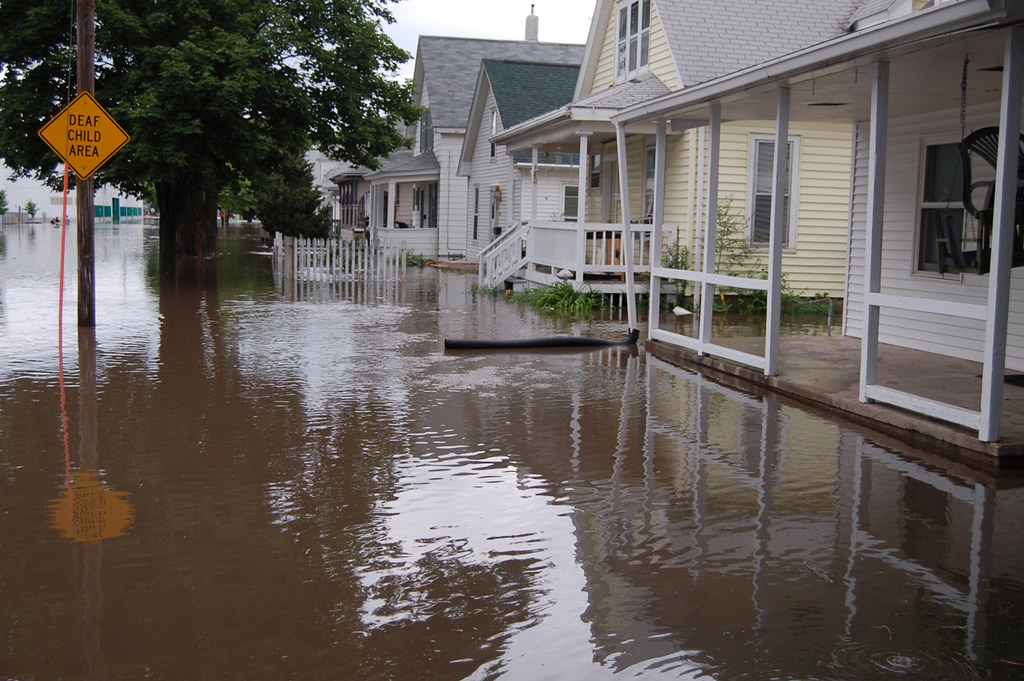
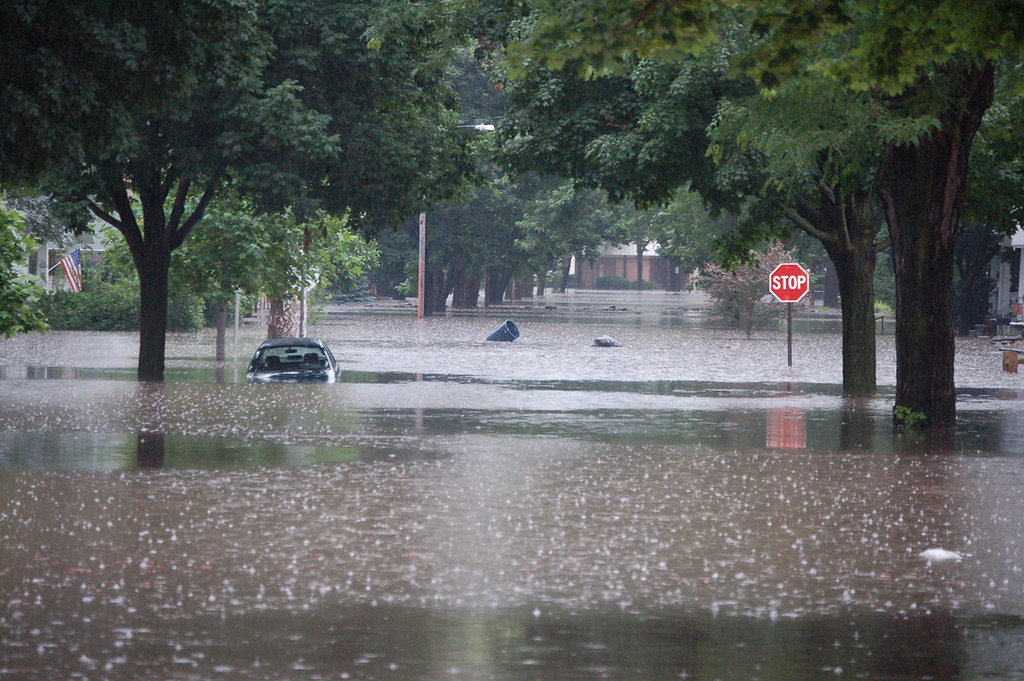
On August 13, 2026, the National Weather Service in Salt Lake City issued a Flash Flood Warning for Washington City and surrounding communities — including Hurricane, Ivins, and Santa Clara — effective from 6:13 PM MDT until 8:15 PM MDT. Rapid runoff and rising water levels affected homes and businesses across the area, leaving many property owners dealing with water intrusion, structural damage, and the stressful aftermath of an unexpected natural disaster.
The Disaster Repair Team (DRT) responded to calls across Washington County in the hours and days that followed. This page documents what happened, what homeowners and business owners did right, and what we learned — so you're better prepared if it happens again.
If you're dealing with flood damage right now, don't wait. Call DRT 24/7: 385-287-6344
What Homeowners Did in the Aftermath — And What You Should Do Too
In the hours after the August 2026 flash flood warning, the property owners who fared best were the ones who acted quickly and methodically. Here's the checklist that guided many of the recoveries DRT helped coordinate:
- Put family safety first. Before assessing any damage, residents confirmed their households were safe and accounted for. No property is worth a personal injury.
- Document everything with photos and video. Before touching or moving anything, homeowners walked through affected areas and captured detailed documentation — wide shots, close-ups, and timestamps. This footage proved critical during insurance claims.
- Avoided structurally compromised areas. Flash flooding can undermine foundations, weaken flooring, and create hidden hazards. Residents who waited for a professional assessment before re-entering damaged sections avoided additional injuries.
- Contacted their insurance company promptly. Early calls to insurance providers helped establish claim timelines and ensured that professional remediation costs — including DRT's services — were properly documented from the start.
- Called DRT to begin emergency restoration. Rapid water extraction and structural drying in the first 24–48 hours made a significant difference in limiting secondary damage, including mold growth and material degradation.
Dealing with flood damage? Call DRT now — we work directly with your insurance company: 385-287-6344
How DRT Helped Washington County Recover
In the days following the August 2026 flash flood, DRT crews were on the ground across Washington City, Hurricane, Ivins, Santa Clara, and neighboring communities. Our teams provided:
- 24/7 emergency water extraction — removing standing water before it could saturate subfloors, walls, and insulation
- Industrial structural drying — deploying commercial-grade dehumidifiers and air movers to reduce moisture levels and prevent long-term structural damage
- Board-up and tarping services — securing properties that sustained exterior damage from debris and water pressure
- Mold remediation — identifying and treating early mold growth in the weeks following the event
- Full rebuild coordination — serving as a single point of contact from initial damage assessment through final repairs
- Direct insurance billing — working alongside adjusters so homeowners could focus on their families, not the paperwork
DRT is a local Washington County team. We've responded to flooding events across this region before, and we understand the specific soil conditions, drainage patterns, and building types that make Southern Utah flash floods uniquely challenging.
Need restoration help? Our team is ready: 385-287-6344
Lessons Learned — What the August 2026 Flood Taught Washington County Homeowners
Every flood event leaves behind more than water damage — it leaves behind knowledge. Here's what the August 2026 response revealed about flood preparedness and recovery in Washington County:
1. Flash Floods in Southern Utah Move Fast
The August 13 warning window was just two hours long. By the time water entered homes in Washington City, many residents had only minutes to respond. Properties with clear drainage paths and elevated entryways sustained significantly less damage than those without. Takeaway: Walk your property now and identify where water would flow in a heavy rain event.
2. The First 48 Hours Are Critical
Homeowners who called for water extraction within the first day saw dramatically better outcomes than those who waited. Standing water that sat for 72 hours or more led to mold growth, buckled hardwood, and damaged drywall that required full replacement rather than drying. Takeaway: Don't wait to see if things dry on their own — they usually don't, fast enough.
3. Documentation Wins Insurance Claims
Homeowners who photographed and video-recorded damage before any cleanup began were better positioned during the claims process. Those who cleaned up first — even with good intentions — sometimes found it harder to substantiate the full scope of damage. Takeaway: Document before you touch anything.
4. Insurance Coordination Matters
Several homeowners who worked with DRT were surprised to learn how much of the restoration cost was covered under their existing homeowner's policy. Working with a restoration company that communicates directly with adjusters removed a significant burden during an already stressful time. Takeaway: Call your insurance company the same day — and ask your restoration contractor if they handle direct billing.
5. Local Experience Makes a Difference
Contractors unfamiliar with Washington County's red clay soil, caliche layers, and desert monsoon drainage behavior sometimes misdiagnosed moisture intrusion sources. DRT's familiarity with regional construction and weather patterns helped crews find and address the actual source of water entry — not just the visible symptoms. Takeaway: Choose a restoration team that knows Southern Utah, not just general flood restoration.
Is Your Property Fully Recovered? Let DRT Take a Look.
If your home or business was affected by the August 2026 flash flood — or any flooding event since — and you're not 100% confident the damage was fully addressed, DRT offers professional assessments for Washington City, Hurricane, Ivins, Santa Clara, and all of Washington County.
Hidden moisture, improperly dried subfloors, and untreated mold can become serious structural and health issues months after a flood event. Don't assume that because things look dry, they are dry.
Call DRT today to schedule an assessment: 385-287-6344
We provide 24/7 emergency response and work directly with your insurance company on water damage, structural drying, mold remediation, and full rebuild coordination.
DRT — Washington County's local disaster restoration team. We've been through this before. We'll help you get back to normal.
```Most homeowner policies cover sudden water damage (burst pipes, appliance failures). Natural flooding typically requires separate flood insurance. Either way, DRT documents everything from day one — moisture readings, photos, scope of work — so your claim is supported whether it goes through your standard policy or a flood policy.
Frequently Asked Questions
How quickly does mold grow after flooding?
Will my homeowner's insurance cover flood damage restoration?
What should I NOT do after my home floods?
How quickly can DRT respond?
Do I need to file my insurance claim before calling DRT?
DRT serves Washington City and surrounding areas. View our full Washington City service area page for more about our restoration services in your area, or browse all service areas.
Need Help Now?
The Disaster Repair Team provides 24/7 emergency restoration services across Utah.
Request Help Online