Wildfire & Smoke Damage Restoration — Eureka, Utah
- Recovery resources and next steps
- Insurance claim guidance
- Lessons learned for future prevention
- Professional restoration support
Smoke residue becomes permanently bonded to surfaces within 72 hours. Early intervention saves more contents and reduces restoration costs.
Live Conditions
Real-time weather radar for Utah
Fire Damage Recovery in Eureka — What We Learned from the June 2026 Juab County Wildfire
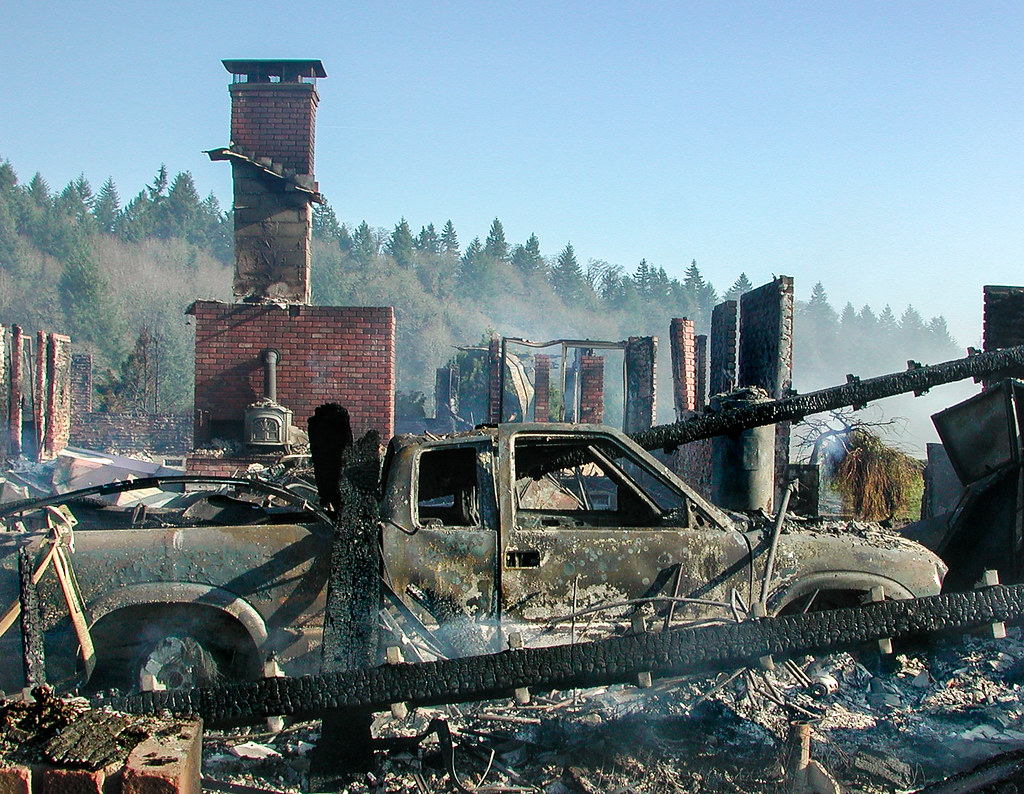
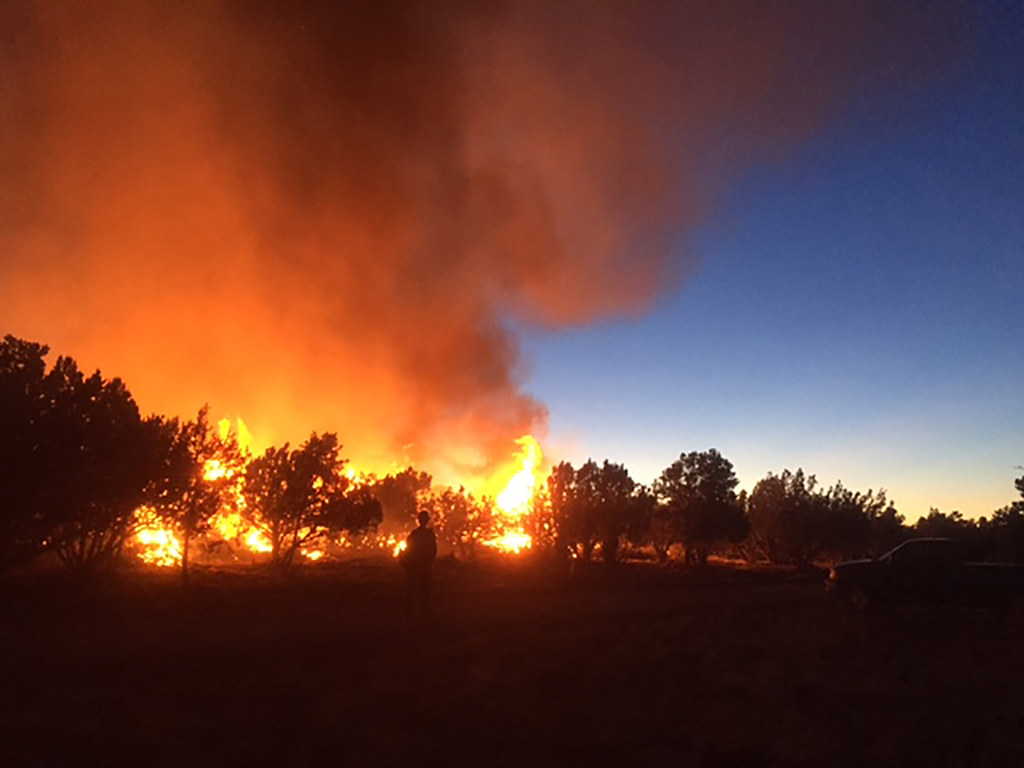
In June 2026, the Iron Fire forced a mandatory evacuation of Eureka, Utah, burning over 24,284 acres across Juab, Utah, and Tooele counties. A major overnight backburn operation stopped the flames at Eureka's north edge — no primary homes were lost to direct fire — but wildfire smoke blanketed the area for days, and hundreds of properties sustained significant smoke and proximity damage. This guide documents what Eureka homeowners experienced, what the recovery process looked like, and what you should know if your property was affected.
If your Eureka property sustained smoke or fire damage, the Disaster Repair Team is ready to help:
385-287-6344 — 24/7 Response
What Eureka Homeowners Discovered: Smoke Damage Is Not Just a Smell Problem
When residents returned after the evacuation order was lifted, many expected the damage to be limited to a smoky odor. What they found was far more serious. Wildfire smoke is fundamentally different from a house fire or kitchen smoke. The Iron Fire's smoke contained:
- Fine particulate matter (PM2.5) — microscopic particles that penetrated deep into building materials, fabrics, and HVAC systems
- Volatile organic compounds (VOCs) — toxic gases from burning vegetation, plastics, and treated wood that continued off-gassing for weeks after the fire
- Soot and char residue — acidic particles that chemically bonded to surfaces, causing progressive staining, corrosion, and material breakdown
- Chemical contaminants — from burned structures, vehicles, and agricultural materials throughout the fire zone
Properties that went untreated saw these contaminants embed deeper into materials over time, creating long-term health and structural problems that were significantly more expensive to remediate months later.
How Smoke Got Inside — Even in Homes With Windows Closed
The HVAC system was the primary entry point for most Eureka homes. As wildfire smoke filled the outdoor air over those days, air conditioning systems pulled contaminated air through return ducts and circulated it throughout every room. Standard HVAC filters — even MERV-rated ones — could not capture the ultrafine particles in wildfire smoke.
Once inside, smoke particles:
- Settled on every horizontal surface — countertops, shelves, furniture, and floors
- Embedded into carpet fibers, upholstery, curtains, and bedding
- Coated the interior of ductwork, creating a reservoir that re-released particles for months
- Penetrated into wall cavities through electrical outlets, light fixtures, and gaps around doors and windows
- Corroded electronics, appliances, and metal surfaces through acidic soot deposits
This is why professional HVAC inspection and duct cleaning was critical after the Iron Fire — even for properties where the fire never came close. Homes whose owners ran their air conditioning during or after the smoke event experienced the most extensive interior contamination.
Exterior Damage from Wildfire Proximity
Even without direct flame contact, homes near the Eureka fire perimeter sustained measurable exterior damage, including:
- Heat damage to siding and paint — vinyl warping, paint blistering, and discoloration on north-facing exposures closest to the fire line
- Ember damage to roofing — embers traveled well over a mile and lodged in gutters, ridge vents, and roofing materials on many properties
- Window seal failure from thermal stress — leading to moisture infiltration and insulation loss discovered months later
- Smoke staining on exterior surfaces — masonry, stucco, and wood absorbed smoke residue that standard cleaning could not remove
- Landscape and drainage changes — burned vegetation in the surrounding area altered water runoff patterns, increasing post-fire flood risk during subsequent rain events
Lessons Learned: What to Do When You Return After a Wildfire Evacuation
Based on the recovery experience of Eureka homeowners after the Iron Fire, here is what made the biggest difference in outcomes:
- Do not turn on your HVAC system until the ducts and filters have been professionally inspected and cleaned — this was the single most common mistake that expanded the scope of damage
- Ventilate cautiously and check air quality first — open windows briefly only after confirming outdoor air quality has improved at AirNow.gov
- Do not attempt to clean soot yourself — improper cleaning grinds particles deeper into surfaces and spreads contamination; many homeowners who tried DIY cleanup created additional damage
- Document everything with photos and video before touching anything — thorough pre-remediation documentation was critical for successful insurance claims
- Inspect your roof, gutters, and vents for ember damage or lodged debris before the next rain event
- Contact your insurance company promptly to open a claim — wildfire smoke damage was covered under most Juab County homeowner policies, even for properties with no direct fire contact
- Call DRT at 385-287-6344 for a professional damage assessment — homeowners who acted within the first two weeks consistently had better outcomes and stronger insurance claims
DRT's Wildfire Smoke Restoration Process
The Disaster Repair Team responded to properties throughout Eureka and the surrounding Juab County area following the Iron Fire. The multi-step restoration process used on these properties was specifically designed for wildfire smoke damage:
- Step 1: Assessment — air quality testing, surface sampling, HVAC inspection, and full scope documentation for insurance
- Step 2: HVAC Decontamination — complete duct cleaning, filter replacement, coil cleaning, and system sanitization
- Step 3: Surface Cleaning — professional soot and residue removal from all walls, ceilings, floors, and fixtures using restoration-grade methods
- Step 4: Air Purification — HEPA air scrubbers and hydroxyl generators run continuously to capture remaining airborne particles
- Step 5: Odor Elimination — ozone treatment and thermal fogging to penetrate materials and neutralize embedded smoke compounds
- Step 6: Content Restoration — professional cleaning of furniture, clothing, documents, electronics, and personal items
- Step 7: Verification — post-restoration air quality testing and visual inspection to confirm the home is safe to occupy
Insurance Coverage for Wildfire Smoke Damage: What Eureka Homeowners Found
Most Utah homeowner policies covered smoke damage from the Iron Fire, even for properties the fire itself never touched. DRT worked directly with insurance companies to document damage, submit detailed scope reports, and coordinate the claims process for Eureka homeowners throughout the recovery. Homeowners who began the documentation and remediation process promptly received stronger claim outcomes than those who delayed.
If your property was affected, do not wait to begin the documentation process. The sooner damage is recorded and remediation begins, the better the outcome — structurally, for your health, and for your claim.
DRT Is Your Experienced Local Recovery Partner
The Disaster Repair Team has worked directly in Eureka and throughout Juab County. We understand the specific conditions of the Iron Fire event, the types of damage Eureka properties sustained, and the documentation requirements for Utah insurance claims arising from this fire. That on-the-ground experience means faster assessments, more accurate scoping, and better results for your home and your claim.
Call the Disaster Repair Team: 385-287-6344
Available 24/7 — Free assessments for wildfire-affected properties.
Fire damage is covered by virtually all homeowner policies, including structural repairs, contents restoration, smoke cleanup, and temporary living expenses (ALE). DRT provides detailed documentation and works directly with your adjuster to keep the process moving.
Frequently Asked Questions
Is it safe to go back inside after a fire?
How long does fire damage restoration take?
Does insurance cover fire damage?
How quickly can DRT respond?
Do I need to file my insurance claim before calling DRT?
DRT serves Eureka and surrounding areas. View our full Eureka service area page for more about our restoration services in your area, or browse all service areas.
Need Help Now?
The Disaster Repair Team provides 24/7 emergency restoration services across Utah.
Request Help Online