Wildfire & Smoke Damage Restoration — Juab County, Utah
- Recovery resources and next steps
- Insurance claim guidance
- Lessons learned for future prevention
- Professional restoration support
Smoke residue becomes permanently bonded to surfaces within 72 hours. Early intervention saves more contents and reduces restoration costs.
Live Conditions
Real-time weather radar for Utah
Fire Damage Recovery in Juab County — What We Learned from the June 2026 Iron Fire
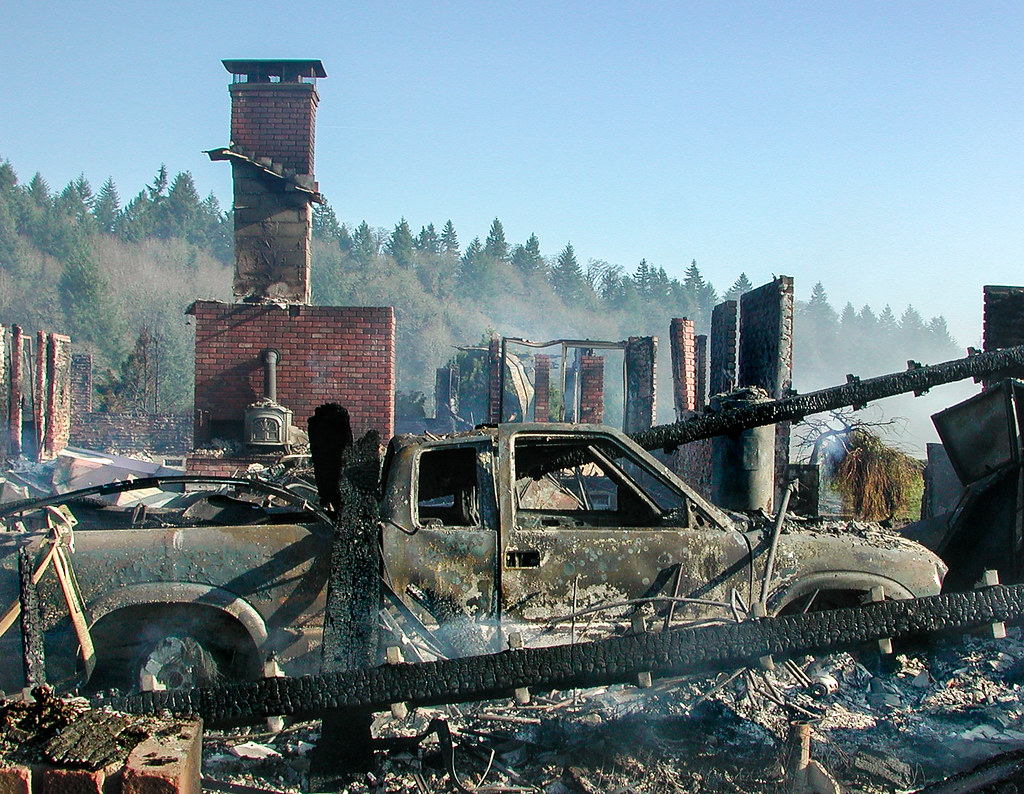
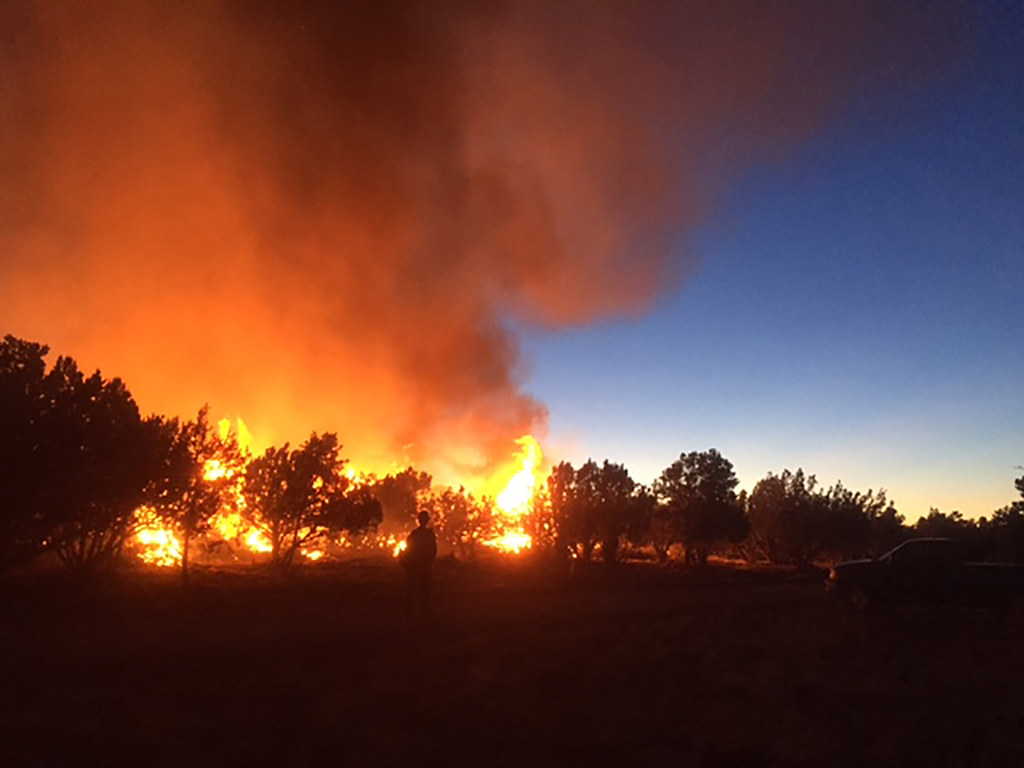
In June 2026, the Iron Fire burned across Juab, Utah, and Tooele counties — scorching over 24,284 acres and triggering mandatory evacuations in Eureka, Utah. Communities including Elberta, Nephi, Mona, and Levan experienced heavy wildfire smoke and significant property impacts. This guide captures what residents faced, what worked, and how to navigate fire and smoke damage recovery if your Juab County property was affected.
The Disaster Repair Team (DRT) responded throughout the event and continues to serve Juab County homeowners through every stage of recovery.
385-287-6344 — 24/7 Fire & Smoke Damage Response
What Happened: The Iron Fire and Juab County Communities
At its peak, the Iron Fire created different risk levels across the county. Understanding what each community experienced helps current and future residents know what to watch for after a similar event:
- Eureka: Came under mandatory evacuation, with residents sheltering at the LDS chapel in Elberta. A successful backburn operation stopped the fire at the town's north edge — no primary homes were lost. Returning residents, however, found smoke infiltration throughout many properties.
- Elberta: Reached "READY" evacuation status as shifting winds pushed the fire eastward. Though a full evacuation was avoided, many homes sustained smoke and soot damage from prolonged exposure.
- Nephi, Mona, and Levan: No evacuations were ordered, but these communities experienced heavy, sustained smoke impact for days — enough to cause real interior damage in homes that appeared unaffected from the outside.
- Santaquin: Officials confirmed no threat and no evacuation was needed, despite an earlier false alarm that caused community concern.
US Highway 6 was closed through the fire area during the event, cutting off primary routes and complicating the return of evacuated residents.
The Hidden Damage: Wildfire Smoke and What It Does to Homes
One of the most important lessons from the Iron Fire was how far smoke damage reached — well beyond the fire line. Communities miles from active burning reported interior contamination that surprised homeowners who assumed they had escaped unscathed. Wildfire smoke carries fine soot particles, volatile organic compounds (VOCs), and chemical residue that damage homes in ways that aren't always immediately visible:
- HVAC infiltration: Smoke entered homes through air conditioning systems and circulated through every room, coating ductwork and interior surfaces — even in homes with windows and doors kept closed.
- Soot deposits: Acidic particles settled on countertops, electronics, clothing, and upholstery. Left untreated, these particles caused staining and corrosion that worsened over weeks.
- Embedded odor: Smoke compounds penetrated carpet, insulation, and soft furnishings. Many residents reported that odor returned repeatedly after surface-level cleaning — because the source was never fully addressed.
- Health hazards: PM2.5 particles and VOCs triggered respiratory issues, particularly for children, elderly residents, and those with asthma. Some families could not safely return until professional air scrubbing was completed.
Lessons Learned: What Juab County Residents Should Do After a Wildfire
Based on what we saw during and after the Iron Fire, here is the recovery checklist that gave homeowners the best outcomes:
- Keep windows and doors closed during active smoke events — run your AC on recirculate mode to reduce infiltration while smoke is present in the area.
- Replace HVAC filters immediately after returning home — use the highest MERV rating your system supports (MERV 13 or higher is recommended). Do not run your system without replacing filters first.
- Run portable air purifiers with HEPA filters in bedrooms and main living areas while professional assessment and cleaning is arranged.
- Monitor ongoing air quality at AirNow.gov — limit outdoor activity when AQI exceeds 100, and re-check interior air quality after extended periods of outdoor exposure.
- Document all visible soot, discoloration, and odor with photos and video before any cleaning begins — this documentation was critical for successful insurance claims after the Iron Fire.
- Do not pressure wash exterior smoke residue — this common mistake drove contaminants deeper into siding and masonry, making professional remediation harder and more expensive.
- Call a professional restoration team before attempting DIY cleanup — several Eureka homeowners who cleaned surfaces themselves before a professional assessment inadvertently spread soot contamination and complicated their insurance claims.
How DRT Helped Juab County Recover — And How We Can Help You
The Disaster Repair Team was on the ground in Juab County throughout the Iron Fire response and recovery. We serve Eureka, Elberta, Nephi, Mona, Levan, and surrounding communities with the full range of fire and smoke damage services:
- Emergency property securing and board-up
- Professional HVAC duct cleaning and decontamination
- Soot and smoke residue removal from all surfaces
- HEPA air scrubbing and verified air quality testing
- Odor elimination using ozone, thermal fogging, and hydroxyl treatment
- Insurance documentation support and full claim coordination
- Structural repair and complete reconstruction
We understand the specific challenges Juab County properties face — from the clay soils that affect foundations after fire suppression efforts, to the older housing stock in Eureka that requires careful handling during soot removal. Our experience here is local, not generic.
Community Recovery Resources
- Air quality monitoring: AirNow.gov — bookmark this resource for any future smoke events
- Fire and emergency information: Great Basin Complex Incident Management Team 3 managed the Iron Fire response and publishes updates on active incidents in the region
- Juab County Emergency Management: Contact your county office for updated shelter locations, road closures, and return authorization during any future wildfire event
If Your Juab County Property Was Affected — Or You Want to Be Prepared
Whether you are still working through damage from the 2026 Iron Fire or want an assessment to understand the condition of your home after any smoke exposure, DRT is ready to help. Early professional assessment consistently produced better outcomes — lower remediation costs, cleaner insurance claims, and healthier homes — than waiting to see if problems resolved on their own.
Call DRT: 385-287-6344 — available 24 hours a day, 7 days a week for Juab County fire and smoke damage recovery.
Fire damage is covered by virtually all homeowner policies, including structural repairs, contents restoration, smoke cleanup, and temporary living expenses (ALE). DRT provides detailed documentation and works directly with your adjuster to keep the process moving.
Frequently Asked Questions
Is it safe to go back inside after a fire?
How long does fire damage restoration take?
Does insurance cover fire damage?
How quickly can DRT respond?
Do I need to file my insurance claim before calling DRT?
DRT serves Juab County and surrounding areas. View our full Juab County service area page for more about our restoration services in your area, or browse all service areas.
Need Help Now?
The Disaster Repair Team provides 24/7 emergency restoration services across Utah.
Request Help Online