Emergency Flood & Water Damage Restoration — Milford
- Recovery resources and next steps
- Insurance claim guidance
- Lessons learned for future prevention
- Professional restoration support
Mold can start growing within 24–48 hours of water exposure. Fast extraction and drying dramatically reduce secondary damage and health risks.
Live Conditions
Real-time weather radar for Utah
How DRT Helped Milford Recover from the July 2026 Flash Flood — A Community Recovery Guide
Serving Beaver, Milford, and Minersville, Utah
On July 27, 2026, the National Weather Service Salt Lake City issued a Flash Flood Warning for the Milford area at 4:27 PM MDT, lasting through 7:30 PM MDT. In the hours and days that followed, the Disaster Repair Team (DRT) mobilized to help homeowners and businesses across Beaver, Milford, and Minersville assess damage, extract standing water, and begin the road to recovery.
This page exists as a permanent resource for anyone in our community who experiences flooding — whether from a future storm, a pipe failure, or a rising water table. If you are dealing with water damage right now, we are ready to help.
Call DRT anytime, 24/7: 385-287-6344
What Happened: The July 2026 Flash Flood Event
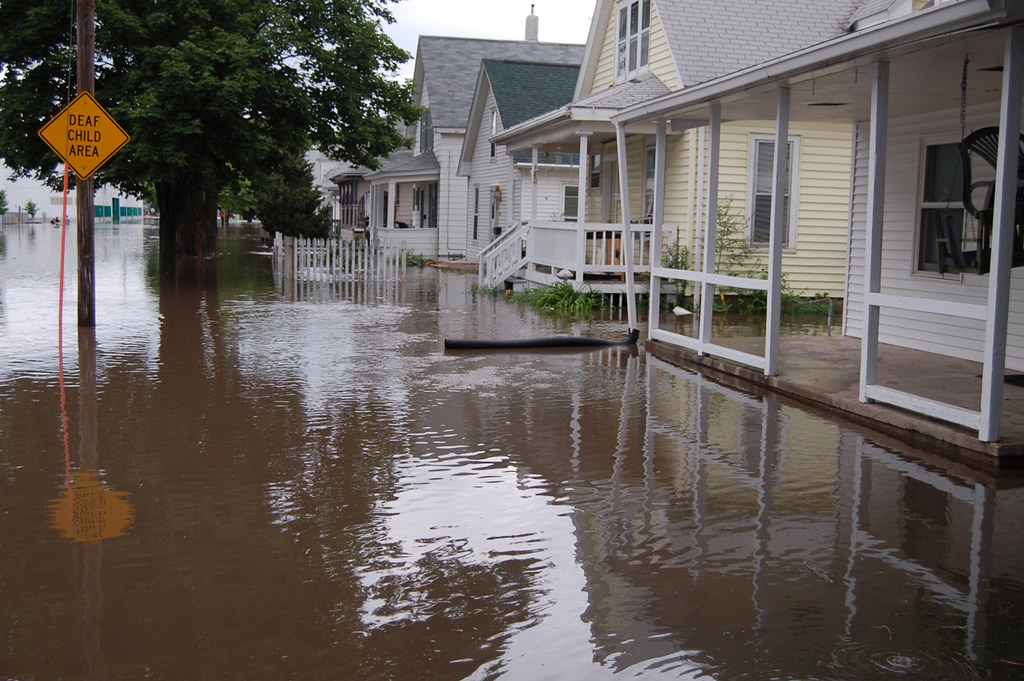
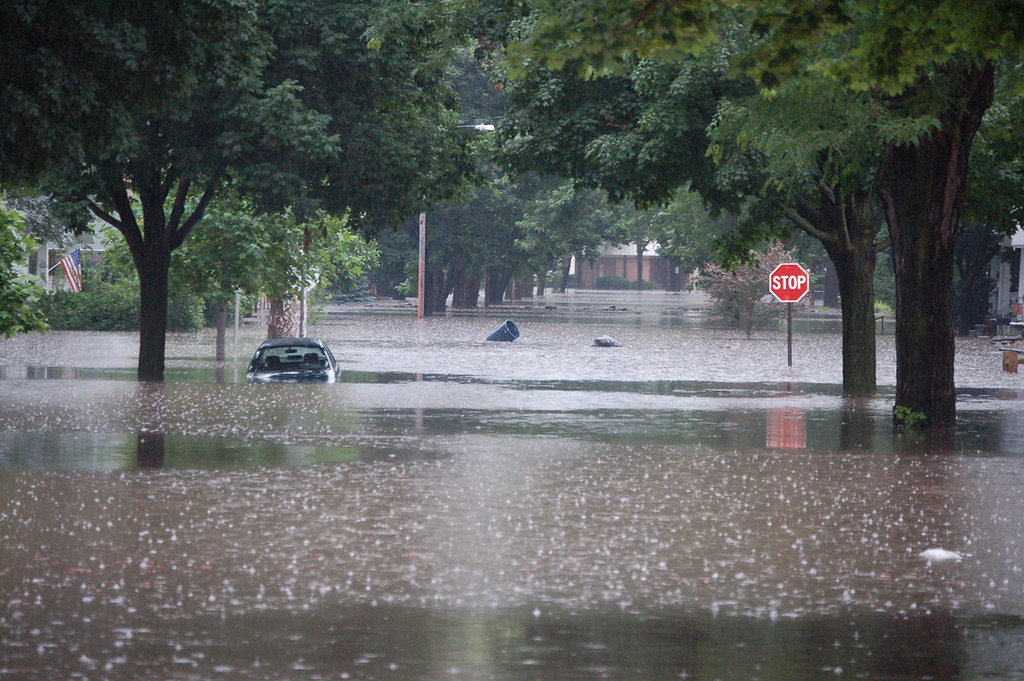
The flash flood warning affected a wide swath of Beaver County, sending runoff into streets, yards, crawl spaces, and structures throughout Milford and surrounding communities. DRT crews responded to calls within the affected area, providing emergency water extraction, structural assessments, and drying services to residential and commercial property owners who had been caught off guard by the rapid onset of flooding.
Many of the families and businesses we helped had never dealt with flood damage before. This guide documents what worked, what the recovery process looked like, and what our community learned along the way.
What to Do After a Flood: The Steps That Helped Milford Recover
In the aftermath of the July 2026 event, the property owners who recovered fastest were the ones who acted quickly and methodically. Here is the process we walked our clients through — steps that apply to any flooding situation:
- Prioritize your family's safety first. Before re-entering any structure, confirm that floodwaters had receded and that there were no visible signs of structural compromise, gas leaks, or downed electrical lines.
- Document all damage thoroughly. Property owners who took detailed photos and video before any cleanup began had a much smoother insurance claims process. Capture every affected room, wall, floor, and belonging from multiple angles.
- Avoid structurally compromised areas. Saturated drywall, buckled flooring, and standing water can mask serious structural damage. When in doubt, wait for a professional assessment before entering.
- Contact your insurance company promptly. Notifying your insurer early opened the door to faster claim approvals and reimbursements. DRT worked directly with adjusters on behalf of many Milford-area clients.
- Call DRT to begin emergency restoration. The sooner water extraction and structural drying began, the less secondary damage — including mold — property owners faced. Time is critical after any flooding event.
Ready to start the recovery process? Call us now: 385-287-6344
How DRT Supported the Milford-Area Recovery
DRT provided comprehensive emergency restoration services to affected properties in Beaver, Milford, and Minersville throughout the recovery period. Our services included:
- 24/7 emergency response and on-site assessment
- Standing water extraction and moisture mapping
- Industrial structural drying and dehumidification
- Board-up and tarping to protect against secondary damage
- Mold remediation for properties where drying was delayed
- Smoke and soot removal (for properties affected by related fire hazards)
- Full rebuild coordination and project management
- Direct insurance billing and adjuster coordination
Our team has deep roots in southwestern Utah. We know this landscape, we know how these storms behave, and we have seen firsthand what delays in response can cost a family or a business. That experience is what we brought to every door we knocked on in July 2026.
Lessons Learned: What the July 2026 Flood Taught Our Community
Every major weather event leaves behind knowledge that can protect the next family or business owner who finds themselves in the same situation. Here is what we observed from the Milford recovery:
- Flash floods can escalate faster than weather alerts suggest. The window between the warning issuance at 4:27 PM and peak impact was narrow. Property owners who had an emergency contact ready — and knew to call immediately — got crews on site sooner and limited their losses.
- Documentation before cleanup is non-negotiable. Several insurance claims were complicated because well-meaning family members began removing damaged items before photos were taken. Always document first, remove second.
- Mold can begin developing within 24–48 hours. Properties where water sat unextracted overnight were at significantly higher risk for mold growth. Faster extraction meant less remediation — and lower overall costs — for most of our clients.
- Insurance coordination matters more than most people realize. Working with a restoration company that communicates directly with adjusters removed enormous stress from property owners who were already overwhelmed. If your contractor does not do this, ask why.
- Having a local team already familiar with your area makes a difference. DRT crews did not need to learn the roads or the terrain. We were already here. That familiarity translated into faster response times and better-informed assessments.
- Preparedness gaps are most visible after the fact. Many residents told us they wished they had known which shutoffs to use, had emergency contacts saved, or had documented their belongings for insurance purposes before the event. We encourage every household in Beaver County to create a simple emergency plan before the next storm season.
DRT Is the Local Team That Has Been Through This Before
The July 2026 flash flood was not the first major weather event DRT responded to in southwestern Utah — and it will not be the last. We have helped families and businesses in Beaver, Milford, and Minersville recover from water damage, fire damage, and storm events at every scale. When the next event happens, we will be ready again.
If you are currently dealing with water or flood damage — from any cause, at any time — do not wait. The longer water sits in a structure, the more expensive and complex the recovery becomes.
Call DRT now for 24/7 emergency restoration: 385-287-6344
We work directly with your insurance company and serve all of Beaver County, including Beaver, Milford, and Minersville.
```Most homeowner policies cover sudden water damage (burst pipes, appliance failures). Natural flooding typically requires separate flood insurance. Either way, DRT documents everything from day one — moisture readings, photos, scope of work — so your claim is supported whether it goes through your standard policy or a flood policy.
Frequently Asked Questions
How quickly does mold grow after flooding?
Will my homeowner's insurance cover flood damage restoration?
What should I NOT do after my home floods?
How quickly can DRT respond?
Do I need to file my insurance claim before calling DRT?
DRT serves Milford and surrounding areas. View our full Milford service area page for more about our restoration services in your area, or browse all service areas.
Need Help Now?
The Disaster Repair Team provides 24/7 emergency restoration services across Utah.
Request Help Online