Emergency Flood & Water Damage Restoration — Green River
- Recovery resources and next steps
- Insurance claim guidance
- Lessons learned for future prevention
- Professional restoration support
Mold can start growing within 24–48 hours of water exposure. Fast extraction and drying dramatically reduce secondary damage and health risks.
Live Conditions
Real-time weather radar for Utah
How DRT Helped Green River Recover from the July 2026 Flash Flood Warning
A Recovery Case Study & Resource Guide for Castle Dale, Ferron, and Green River, Utah
On July 29, 2026, the National Weather Service Salt Lake City issued a Flash Flood Warning for the Green River area at 3:42 PM MDT, lasting through 6:45 PM MDT. In the hours and days that followed, homeowners and business owners across Green River, Castle Dale, and Ferron faced the overwhelming task of assessing damage, navigating insurance claims, and beginning the restoration process.
The Disaster Repair Team (DRT) mobilized immediately and worked alongside affected residents throughout the recovery. This page documents what happened, what we learned, and what you should know if your property was impacted — or if you want to be better prepared for the next event.
Questions about your property? Call DRT anytime: 385-287-6344
What Happened: The July 29, 2026 Flash Flood Event
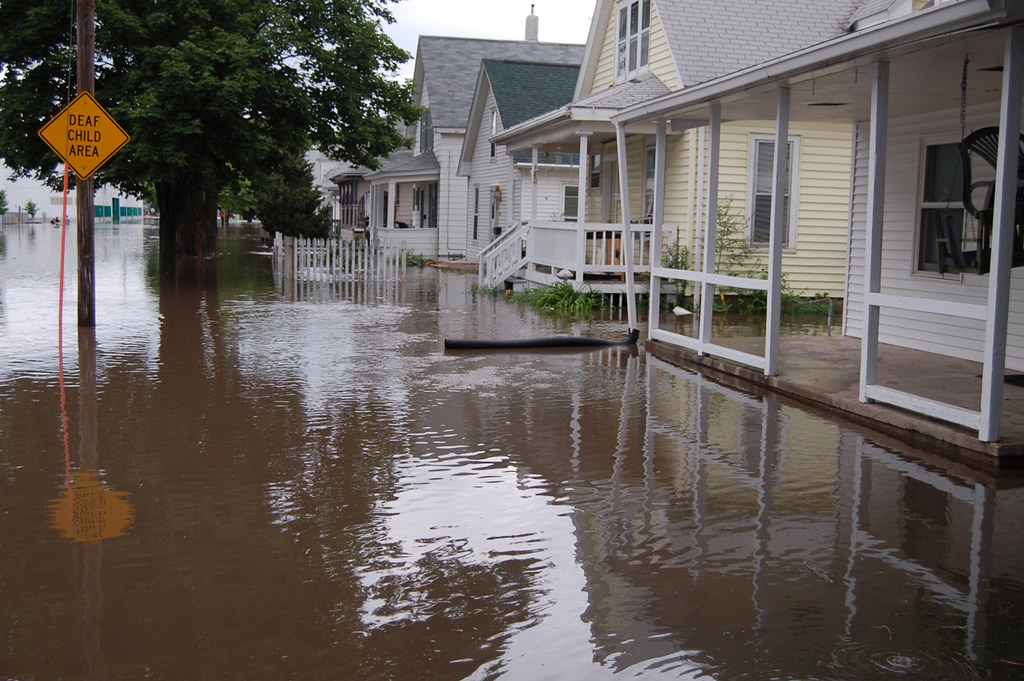
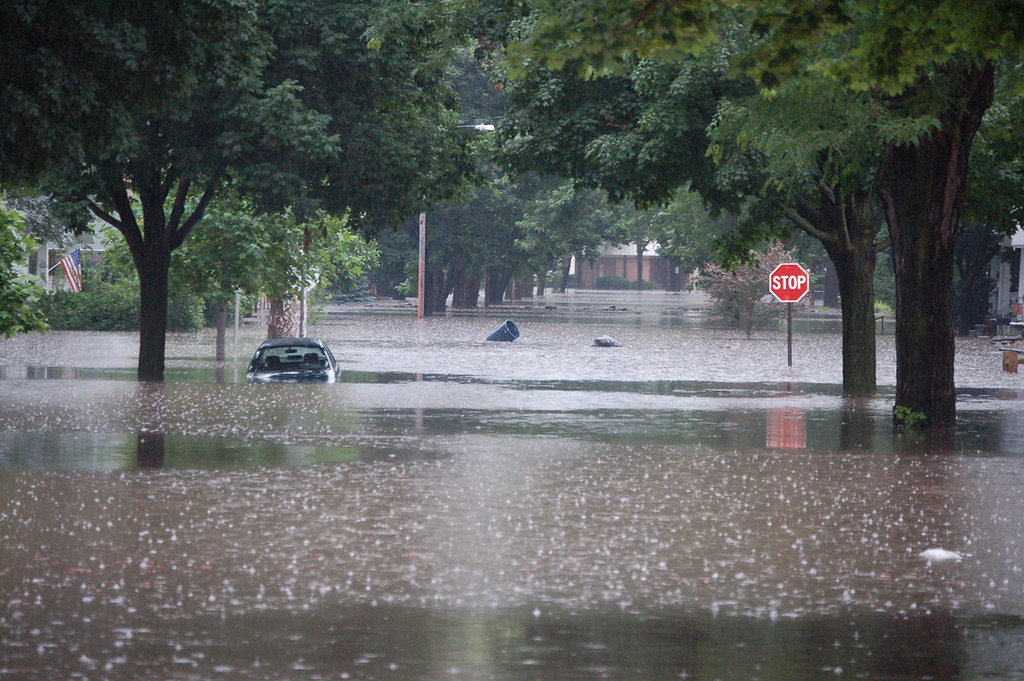
The flash flood warning caught many residents off guard during the late afternoon hours — a common pattern in Utah's canyon country during monsoon season. Water moved fast, and damage accumulated quickly. Properties in low-lying areas and those near drainage channels were hit hardest. DRT received calls beginning within the first hour of the warning and continued responding to new damage assessments for days afterward.
What Homeowners and Business Owners Did Right
The residents who fared best in the recovery process followed a clear set of steps in the immediate aftermath. If your property was affected — or if you're reading this to prepare for the future — these steps remain the same every time:
- Prioritized family safety first — No property damage is worth risking injury. Affected residents waited for conditions to stabilize before re-entering.
- Documented all damage thoroughly — Photos and video taken immediately after the event proved critical during insurance claims. The more documentation, the better.
- Avoided structurally compromised areas — Standing water and saturated soils can compromise foundations, floors, and walls. Residents who waited for a professional assessment protected themselves from secondary injuries.
- Contacted their insurance company promptly — Early notification helped speed up the claims process and ensured coverage wasn't jeopardized by delays.
- Called DRT for emergency restoration — Fast water extraction and structural drying in the first 24–48 hours is the single most effective way to prevent mold growth and long-term structural damage.
Need help now or have questions about a past event? DRT is available 24/7: 385-287-6344
How DRT Responded
DRT provided full-spectrum emergency restoration services throughout the July 2026 recovery, including:
- Water extraction — Rapid removal of standing water to limit absorption into building materials
- Structural drying — Industrial-grade drying equipment deployed to walls, subfloors, and crawl spaces
- Board-up and tarping — Securing compromised structures to prevent further damage from weather or intrusion
- Mold remediation — Addressing mold risk proactively, particularly in properties where water sat for more than 24 hours
- Smoke and soot removal — For any properties affected by secondary fire hazards
- Full rebuild coordination — Managing the restoration process from mitigation through reconstruction, so property owners didn't have to juggle multiple contractors
- Direct insurance coordination — DRT worked directly with insurance adjusters on behalf of clients, reducing stress and speeding up approvals
We served homeowners and businesses across Green River, Castle Dale, and Ferron throughout this event.
Lessons Learned from the July 2026 Flood
Every disaster teaches something. Here is what the July 2026 event reinforced for our team — and for the community:
1. Speed is everything when it comes to water damage
Properties where water extraction began within the first 24 hours had significantly better outcomes than those where water sat for 48–72 hours or more. Mold can begin developing within 24–48 hours of water intrusion. Calling for help early — even before you know the full extent of the damage — is always the right move.
2. Flash floods in this region don't give much warning
The July 29 warning was issued and expired within a three-hour window. The actual water impact was faster still. Residents in canyon-adjacent areas, near the Green River corridor, and in low-lying parts of Castle Dale and Ferron should have a preparedness plan in place before monsoon season begins each year.
3. Photo documentation before cleanup is non-negotiable
Several homeowners began cleaning up before documenting damage, which created friction during their insurance claims. Always document first — everything, from multiple angles — before moving or discarding anything.
4. Insurance policies vary widely — know yours before disaster strikes
Standard homeowner's policies often do not cover flood damage. Residents who had reviewed their policies and added appropriate coverage in advance were far better positioned. If you haven't reviewed your coverage recently, now is the time.
5. Local experience matters
DRT's familiarity with the geography, soil conditions, and building types common to Emery County and the surrounding area meant faster assessments and better outcomes. A restoration company that knows the region understands the specific risks — including how quickly adobe-style and older construction absorbs moisture, and how local drainage patterns affect damage zones.
6. Community coordination accelerates recovery
Neighbors who shared information — about road conditions, utility shutoffs, and who had already connected with restoration professionals — helped each other move faster. Don't hesitate to connect with local emergency management resources alongside professional restoration services.
If Your Property Was Affected — or Is Affected in the Future
Whether you're dealing with lingering effects from the July 2026 event, discovered damage after the fact, or are facing a new situation, DRT is ready to help. Our process starts with a thorough assessment, and we work directly with your insurance company so you're not managing the process alone.
DRT serves Green River, Castle Dale, Ferron, and surrounding communities in Emery County and beyond.
Call DRT 24/7 for emergency restoration and recovery support: 385-287-6344
About Disaster Repair Team (DRT)
DRT is a locally rooted emergency restoration company serving communities across central and eastern Utah. We specialize in water damage restoration, flood recovery, mold remediation, structural drying, and full rebuild coordination. We've been through events like the July 2026 Green River flood before — and we'll be ready for the next one. When disaster hits, our team mobilizes fast because we know that every hour matters.
Don't wait to get answers. Call now: 385-287-6344
```Most homeowner policies cover sudden water damage (burst pipes, appliance failures). Natural flooding typically requires separate flood insurance. Either way, DRT documents everything from day one — moisture readings, photos, scope of work — so your claim is supported whether it goes through your standard policy or a flood policy.
Frequently Asked Questions
How quickly does mold grow after flooding?
Will my homeowner's insurance cover flood damage restoration?
What should I NOT do after my home floods?
How quickly can DRT respond?
Do I need to file my insurance claim before calling DRT?
DRT serves Green River and surrounding areas. View our full Green River service area page for more about our restoration services in your area, or browse all service areas.
Need Help Now?
The Disaster Repair Team provides 24/7 emergency restoration services across Utah.
Request Help Online