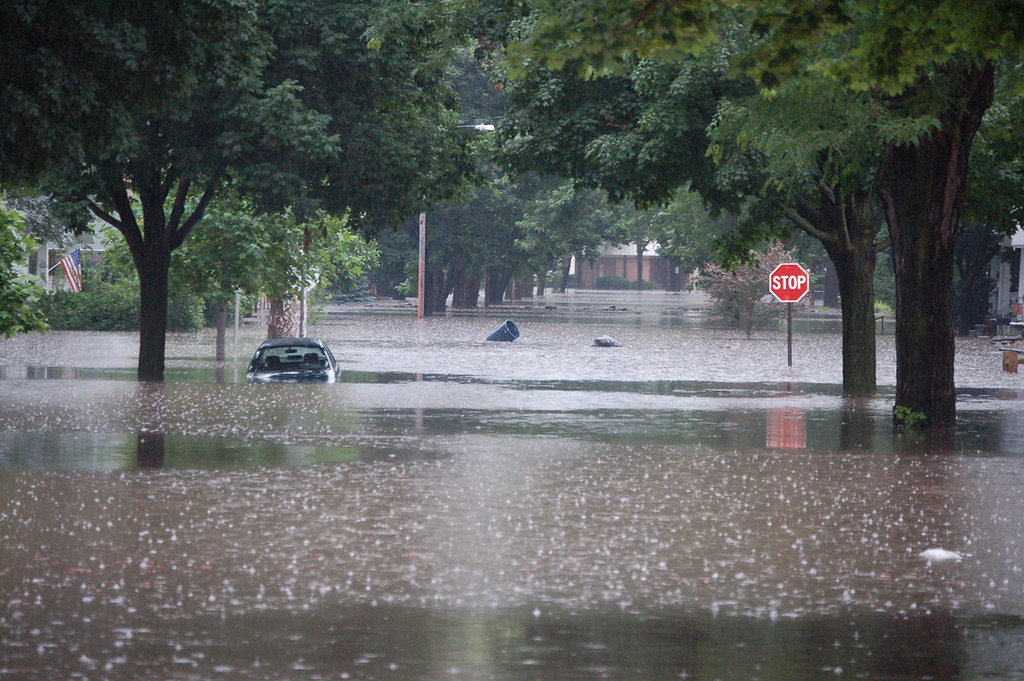
July 2026 Flash Flood Warning — Cedar City — Emergency Restoration
- Recovery resources and next steps
- Insurance claim guidance
- Lessons learned for future prevention
- Professional restoration support
Mold can start growing within 24–48 hours of water exposure. Fast extraction and drying dramatically reduce secondary damage and health risks.
Live Conditions
Real-time weather radar for Utah
- Do NOT stand in water near electrical outlets or appliances
- Shut off main water supply if the source is a pipe or appliance
- Turn off electricity to affected areas at the breaker — only if safe to reach
- Do NOT use household vacuums on standing water
- Move to higher ground if water is rising rapidly
How DRT Helped Utah Recover from the July 2026 Flash Flood Warning — Cedar City
Flash Flood Warning: July 16, 2026, 4:25 PM – 7:30 PM MDT | Issued by NWS Salt Lake City, UT
When the National Weather Service issued a Flash Flood Warning for the Cedar City area on the afternoon of July 16, 2026, the Disaster Repair Team was already mobilizing. By the time the warning expired at 7:30 PM, DRT crews were on the ground helping affected homeowners and businesses begin the recovery process. This page documents what happened, what we learned, and what to do if your property was impacted.
Were you affected? Our team is still responding to damage from this event. Call now: 385-287-6344
What Happened on July 16, 2026
Rapid storm runoff across affected areas of southern Utah sent floodwater into homes, basements, garages, and commercial properties throughout the Cedar City region. For many residents, the damage arrived with little warning — water infiltrated crawl spaces, soaked drywall, and saturated flooring within minutes. DRT received its first calls within an hour of the warning being issued and worked through the night to extract standing water and begin structural drying for dozens of properties.
What to Do After a Flash Flood: A Recovery Checklist
Whether you acted immediately after the July 16 event or are assessing damage in the days that followed, these steps remain critical:
- Prioritize your family's safety first — do not re-enter your home until authorities confirm it is structurally safe
- Document all damage thoroughly — photograph and video every affected room, wall, floor, and belonging before any cleanup begins
- Avoid structurally compromised areas — floodwater can weaken foundations, floors, and load-bearing walls in ways that aren't immediately visible
- Contact your insurance company — report your claim as soon as possible and keep records of every conversation
- Call DRT to begin professional restoration — the longer water sits, the greater the risk of mold growth and structural damage: 385-287-6344
How DRT Responded — and How We Can Still Help
The Disaster Repair Team provided full-spectrum emergency restoration services in the wake of the July 16 flash flood, including:
- 24/7 emergency water extraction
- Industrial structural drying and dehumidification
- Board-up and weatherproofing for compromised structures
- Smoke and soot removal where fire-related hazards were present
- Mold remediation for properties where drying was delayed
- Full rebuild coordination and project management
- Direct insurance company billing and claims support
We know Cedar City. We know Utah's storm patterns. And we know how to navigate the insurance process so you're not left fighting it alone.
If you're still dealing with damage from this event — or discovering new issues like mold or moisture — don't wait. Call us now: 385-287-6344
Lessons Learned from the July 2026 Cedar City Flash Flood
Every major weather event teaches us something. Here's what the July 16, 2026 flash flood reinforced for our team and for the homeowners we served:
1. Speed matters more than most people realize.
Properties where water was extracted within the first 24–48 hours had significantly less mold growth and structural damage. Homeowners who waited — even a few days — faced far more extensive remediation. If you suspect flood damage, act immediately, even if visible water has receded.
2. Hidden moisture causes the most expensive damage.
Many of the worst outcomes we encountered came from water trapped inside walls, under flooring, and in crawl spaces — damage that looked minor on the surface. Professional moisture mapping and thermal imaging caught problems that would have gone undetected for weeks.
3. Insurance documentation is a critical first step — not an afterthought.
Homeowners who thoroughly photographed damage before any cleanup had significantly smoother claims processes. Those who started cleaning up first — even with good intentions — sometimes had claims delayed or disputed. Document everything first.
4. Flash floods don't respect property type.
Businesses, rental properties, garages, and finished basements were hit just as hard as main-level living spaces during this event. Commercial property owners especially underestimated their risk exposure.
5. Having a restoration team's number saved in your phone matters.
Homeowners who had worked with DRT before — or who had our number on hand — got crews on-site faster. In a regional event where multiple properties need help simultaneously, early callers get priority scheduling.
Save our number now so you're ready next time: 385-287-6344
Still Dealing with Damage? DRT Is Here.
Flood damage doesn't always reveal itself immediately. Mold can begin growing within 24–72 hours of water intrusion, and structural issues can surface days or weeks later. If your property was affected by the July 2026 flash flood — or if you're seeing new signs of moisture damage now — the Disaster Repair Team is ready to help.
We serve Cedar City and communities throughout Utah with 24/7 emergency restoration and work directly with your insurance company from first call to final walkthrough.
Call DRT now: 385-287-6344
```Affected Areas
Select a city for location-specific emergency information and restoration resources.
What to Expect When You Call
Here's how DRT responds to emergency calls:
Need Help Now?
The Disaster Repair Team provides 24/7 emergency restoration services across Utah.
Request Help Online