Emergency Flood & Water Damage Restoration — Hurricane
- Recovery resources and next steps
- Insurance claim guidance
- Lessons learned for future prevention
- Professional restoration support
Mold can start growing within 24–48 hours of water exposure. Fast extraction and drying dramatically reduce secondary damage and health risks.
Live Conditions
Real-time weather radar for Utah
How DRT Helped Hurricane, Ivins, Santa Clara & Surrounding Communities Recover from the July 2026 Flash Flood
A Case Study & Recovery Resource from Disaster Repair Team
On July 29, 2026, the National Weather Service Salt Lake City issued a Flash Flood Warning for Hurricane and surrounding Washington County communities — including Ivins, Santa Clara, and neighboring areas — effective from 11:51 AM MDT through 2:45 PM MDT. Within hours, homes and businesses across the region were dealing with flood intrusion, saturated structures, and the overwhelming question of what to do next.
The Disaster Repair Team (DRT) responded immediately and stayed on-site until every affected client was on the road to full recovery. This page documents what happened, what we learned, and what you should know if your property was affected — or if you want to be better prepared for the next storm.
If you're still dealing with damage from this event, call us now: 385-287-6344
What the July 2026 Flash Flood Looked Like on the Ground
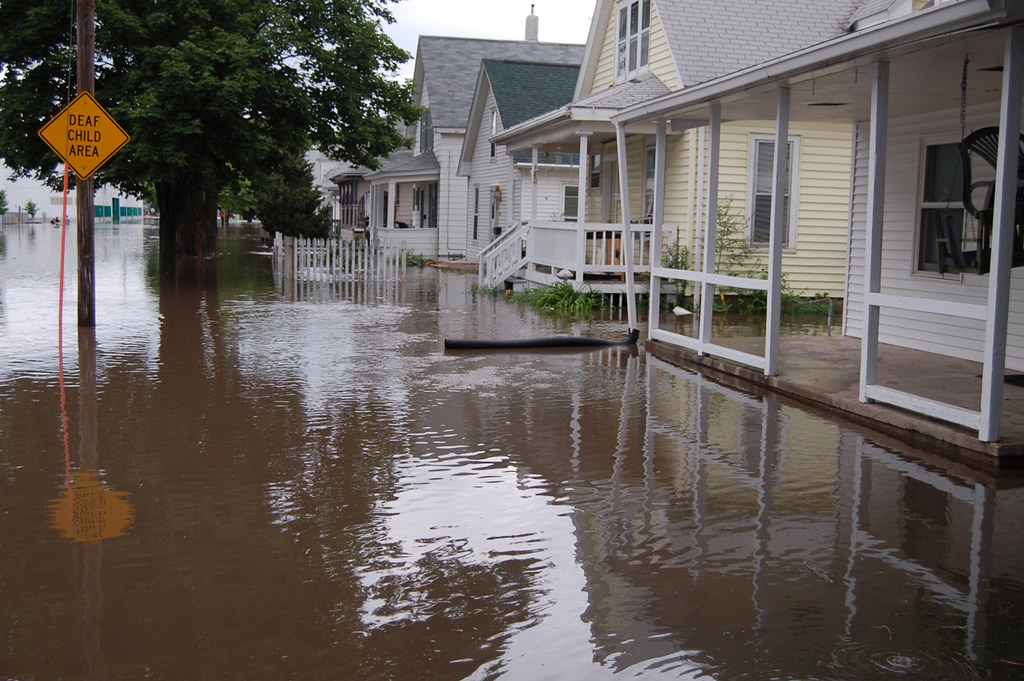
Flash floods in the Hurricane and St. George area are deceptively fast-moving. The July 2026 event was no exception. Stormwater overwhelmed drainage systems and moved rapidly into low-lying structures. Many homeowners reported that water entered their properties within minutes of the rain intensifying — leaving little time to react and significant damage in its wake.
DRT crews were mobilized during the warning window and began taking calls from affected residents as the storm moved through. By the time the warning lifted at 2:45 PM, our teams were already on-site performing emergency water extraction.
What to Do After a Flash Flood: The Steps That Made a Difference
Here's what the homeowners and business owners who fared best in recovery had in common — they followed these steps quickly and in order:
- Put family safety first. Before assessing any damage, residents confirmed that all family members and pets were safe and accounted for, and avoided floodwaters that can carry electrical hazards, debris, and contaminants.
- Document everything before cleanup begins. Homeowners who photographed and video-recorded all damage — walls, floors, belongings, exterior — had significantly smoother insurance claims. The more documentation, the better.
- Avoided entering structurally compromised areas. Floodwater can weaken foundations, floors, and load-bearing walls in ways that aren't visible to the naked eye. Residents waited for a professional assessment before re-entering heavily affected spaces.
- Contacted their insurance company promptly. Early notification to insurers helped clients get adjusters scheduled faster and kept the claims process on track.
- Called DRT without delay. The single biggest factor in limiting long-term damage — including mold growth — was how quickly water extraction and structural drying began. Every hour matters. Call us: 385-287-6344
How DRT Responded: Services Deployed During the July 2026 Recovery
DRT provided comprehensive 24/7 emergency restoration services throughout the Hurricane, Ivins, and Santa Clara response. Our crews handled every phase of recovery, including:
- Emergency water extraction — removing standing water as rapidly as possible to reduce absorption into building materials
- Structural drying — deploying industrial-grade dehumidifiers and air movers to dry walls, subfloors, and framing from the inside out
- Moisture mapping and monitoring — tracking drying progress scientifically to confirm structures were genuinely dry before reconstruction began
- Board-up and tarping — securing properties where the flood event exposed openings or caused structural vulnerabilities
- Mold remediation — addressing any microbial growth that developed in the days following the event
- Full rebuild coordination — managing repairs from initial damage through completed restoration so homeowners didn't have to juggle multiple contractors
- Direct insurance coordination — working with adjusters and carriers on behalf of our clients to document scope and keep claims moving
Ready to get started or still dealing with lingering damage? Call DRT 24/7: 385-287-6344
Lessons Learned: What the July 2026 Flood Taught Us — and Our Clients
Every disaster response teaches us something. Here's what stood out from the July 2026 Hurricane flash flood event:
1. Flash floods in Southern Utah move faster than people expect
Washington County's terrain — hard desert soil, rocky channels, and sloped topography — means rainwater has nowhere to absorb slowly. It moves. Residents who assumed they had time to relocate valuables or vehicles often did not. Future preparation should assume you have minutes, not hours.
2. Secondary damage (mold) is often worse than the flood itself
Several clients who delayed calling for professional drying — even by 24–48 hours — discovered mold growth within days. In Southern Utah's summer heat, mold can establish itself rapidly in wet building materials. Early extraction and drying is not optional; it's the difference between a manageable repair and a full remediation project.
3. Insurance claims go better with professional documentation
Clients who had DRT on-site early benefited from our detailed moisture readings, photo documentation, and scope reports — all of which supported their insurance claims. Trying to document after the fact, or relying solely on personal photos, consistently led to slower and lower settlements.
4. Know your risk zone before the storm hits
Several affected properties were in or near mapped flood zones that homeowners weren't fully aware of. If you live in Hurricane, Ivins, Santa Clara, or the broader St. George area, it's worth reviewing FEMA flood maps and understanding your property's exposure before monsoon season.
5. Having a restoration contact saved critical time
Homeowners who had DRT's number saved and called us immediately — rather than spending the first hours searching for a reputable company — got crews on-site sooner and experienced less total damage. We encourage every Washington County homeowner to save our number now, before they need it.
Save this number: 385-287-6344 — DRT is available 24/7 for emergencies.
DRT Has Been Through This Before — and We'll Be Here for the Next One
Disaster Repair Team is a local Southern Utah restoration company. We know these communities, we know these weather patterns, and we've responded to flood events, fire damage, and structural emergencies across Washington County for years. The July 2026 flash flood was not the first time we mobilized for Hurricane and its neighboring cities — and it won't be the last.
When the next monsoon storm rolls through, you won't have to wonder who to call or whether they know what they're doing. DRT has already proven it on events like this one.
Whether you're still resolving issues from the July 2026 event, dealing with a new emergency, or simply want to know what to do if flooding hits your home or business, we're here.
Call DRT anytime, 24/7: 385-287-6344
This page documents DRT's response to the National Weather Service Flash Flood Warning issued July 29, 2026, for the Hurricane, Utah area and surrounding Washington County communities including Ivins and Santa Clara.
```Most homeowner policies cover sudden water damage (burst pipes, appliance failures). Natural flooding typically requires separate flood insurance. Either way, DRT documents everything from day one — moisture readings, photos, scope of work — so your claim is supported whether it goes through your standard policy or a flood policy.
Frequently Asked Questions
How quickly does mold grow after flooding?
Will my homeowner's insurance cover flood damage restoration?
What should I NOT do after my home floods?
How quickly can DRT respond?
Do I need to file my insurance claim before calling DRT?
DRT serves Hurricane and surrounding areas. View our full Hurricane service area page for more about our restoration services in your area, or browse all service areas.
Need Help Now?
The Disaster Repair Team provides 24/7 emergency restoration services across Utah.
Request Help Online