Emergency Flood & Water Damage Restoration — Ivins
- Recovery resources and next steps
- Insurance claim guidance
- Lessons learned for future prevention
- Professional restoration support
Mold can start growing within 24–48 hours of water exposure. Fast extraction and drying dramatically reduce secondary damage and health risks.
Live Conditions
Real-time weather radar for Utah
How DRT Helped Ivins Recover from the July 2026 Flash Flood — A Local Recovery Guide
Serving Ivins, Santa Clara, Hurricane, Washington, and surrounding Washington County communities
About This Event
On July 29, 2026, the National Weather Service Salt Lake City issued a Flash Flood Warning for the Ivins and Santa Clara area, effective from 11:51 AM MDT through 2:45 PM MDT. Homes and businesses across the region experienced rapid water intrusion, debris flow, and structural damage consistent with the area's flash flood risk — a hazard well known to anyone who has lived along Utah's Mojave Desert corridor.
The Disaster Repair Team (DRT) responded immediately, mobilizing crews throughout the warning period and in the days that followed. This page documents what happened, what we did, and what every homeowner and business owner in Washington County should know if they face a similar event in the future.
What Homeowners and Businesses Experienced
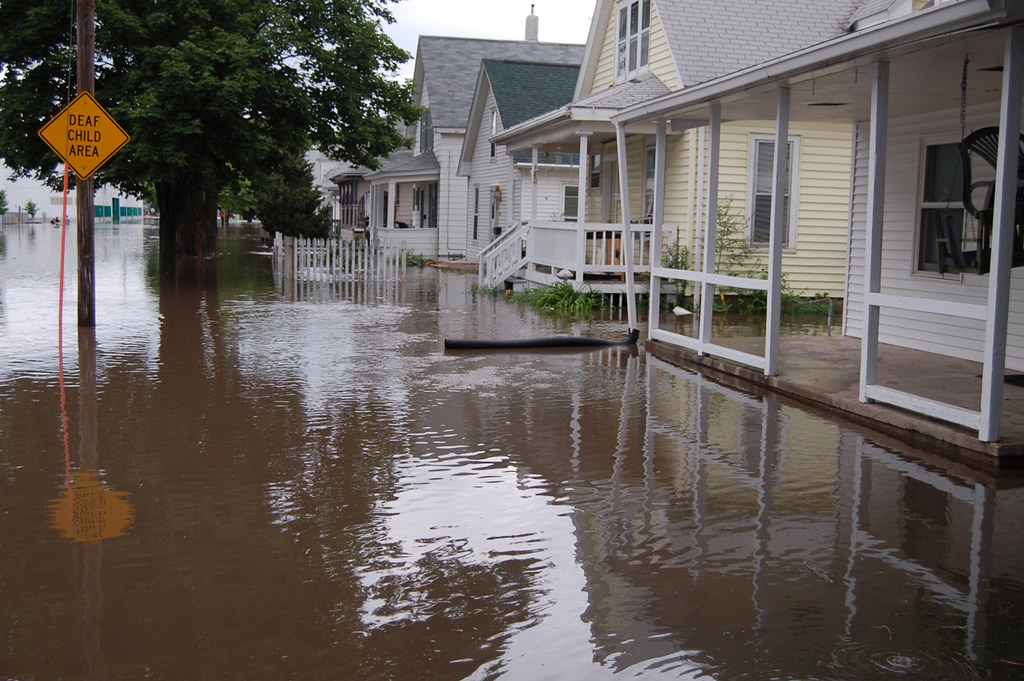
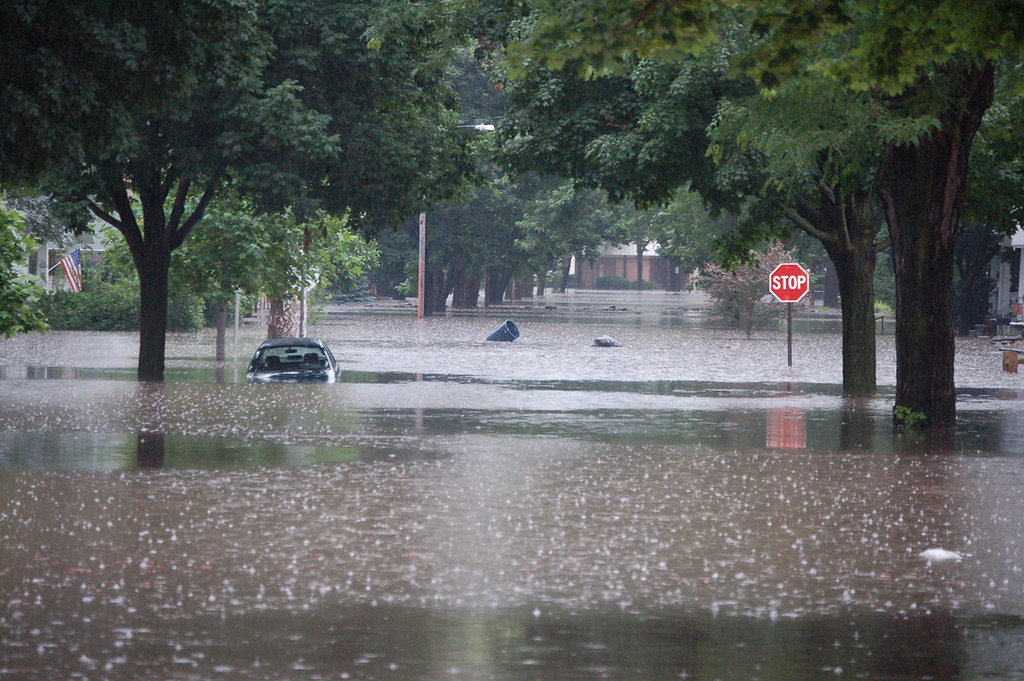
Flash flooding in the Ivins and Santa Clara area moved quickly and without much warning at the ground level. Residents reported:
- Rapid water intrusion through garage doors, ground-level entries, and window wells
- Mud and debris deposits left behind after water receded
- Saturated drywall, flooring, and insulation requiring immediate attention
- Concerns about mold growth in the days following the event
- Uncertainty about how to navigate insurance claims while also beginning cleanup
What to Do After a Flash Flood — The Recovery Checklist
Whether you're dealing with the aftermath of the July 2026 event or a future flood, these steps apply every time:
- Prioritize your family's safety first. Do not re-enter your home until local authorities have confirmed it is structurally safe.
- Document everything before touching it. Take photos and video of all visible damage — walls, floors, ceilings, contents, and exterior. This documentation was critical for our clients' insurance claims in July 2026.
- Do not enter structurally compromised areas. Flood damage can weaken floors and walls in ways that are not immediately visible.
- Contact your insurance company as soon as possible. Open a claim early. The sooner the clock starts, the sooner you can move forward.
- Call DRT to begin water extraction and drying. Every hour matters — mold can begin developing within 24–48 hours of water exposure in Southern Utah's climate.
Call DRT anytime — 24/7 emergency response: 385-287-6344
How DRT Responded — and What We Provided
During and after the July 2026 flash flood, DRT crews delivered the full spectrum of emergency and restoration services that affected residents needed:
- 24/7 emergency dispatch — crews were on the ground within hours of the warning
- Water extraction — standing water and saturated materials were addressed immediately to limit secondary damage
- Structural drying — industrial dehumidifiers and air movers were deployed throughout affected homes and businesses
- Board-up and tarping — where structural compromise or exterior damage created security or weather concerns
- Mud and debris removal — a particular challenge in Ivins and Santa Clara given the desert wash terrain
- Mold remediation — follow-up assessments and treatment for properties where moisture was not caught quickly enough
- Full rebuild coordination — from drywall and flooring to full structural repairs, DRT managed the process end to end
- Direct insurance coordination — we worked directly with adjusters on behalf of our clients to document scope and streamline approvals
DRT has served Washington County through multiple flood and storm events. We understand the terrain, the soil behavior, the insurance landscape, and what it takes to get Southern Utah families back in their homes.
Lessons Learned — What the July 2026 Flood Taught Us (and Our Clients)
Every disaster event leaves behind knowledge. Here is what we and the homeowners we served took away from the July 2026 flash flood:
1. The First 24 Hours Defined the Outcome
Properties where owners called DRT within the first few hours saw significantly less secondary damage — less mold, less structural saturation, and faster overall recovery timelines. Waiting even a day made a measurable difference in scope and cost.
2. Desert Flash Floods Carry Debris, Not Just Water
The Ivins and Santa Clara geography means floodwater moves fast and carries sand, rock, and vegetation. Standard water damage protocols had to be paired with debris remediation — something a non-local contractor might underestimate.
3. Documentation Before Cleanup Is Non-Negotiable
Several homeowners who began cleanup before photographing the damage thoroughly found their insurance claims more difficult to support. Always document first, clean second.
4. Insurance Claims Go Smoother With a Contractor in Your Corner
Clients who had DRT communicate directly with their adjusters experienced faster approvals and fewer disputes over scope. Restoration contractors who know how to speak the insurance industry's language are a resource, not just a repair crew.
5. Washington County Flash Flood Risk Is Underestimated by New Residents
Many of the affected homeowners in July 2026 were relatively new to the area and were surprised by how quickly conditions changed. Flash flood warnings in this region are not abstract — the terrain channels water rapidly into developed areas. Know your local wash and drainage patterns before the next storm season.
6. Pre-Planning Makes Recovery Faster
Homeowners who already had a relationship with a restoration contractor — even just knowing the number to call — responded more quickly and with less panic. Save DRT's number now: 385-287-6344.
DRT Serves All of Washington County
The July 2026 flash flood affected communities across the region. DRT responded throughout:
- Ivins
- Santa Clara
- Hurricane
- Washington City
- St. George
- La Verkin
- Toquerville
- And surrounding Washington County communities
Ready If It Happens Again — Call DRT First
Flash floods in Southern Utah are not a question of if — they are a question of when. DRT maintains 24/7 emergency response capability year-round so that when the next warning is issued, you have an experienced local team ready to move.
Call anytime — day or night: 385-287-6344
We work directly with your insurance company, we know Washington County, and we've been through this before. Let us help you recover — or better yet, let us be the first call you make when it happens.
```Most homeowner policies cover sudden water damage (burst pipes, appliance failures). Natural flooding typically requires separate flood insurance. Either way, DRT documents everything from day one — moisture readings, photos, scope of work — so your claim is supported whether it goes through your standard policy or a flood policy.
Frequently Asked Questions
How quickly does mold grow after flooding?
Will my homeowner's insurance cover flood damage restoration?
What should I NOT do after my home floods?
How quickly can DRT respond?
Do I need to file my insurance claim before calling DRT?
DRT serves Ivins and surrounding areas. View our full Ivins service area page for more about our restoration services in your area, or browse all service areas.
Need Help Now?
The Disaster Repair Team provides 24/7 emergency restoration services across Utah.
Request Help Online