Emergency Flood & Water Damage Restoration — Santa Clara
- Recovery resources and next steps
- Insurance claim guidance
- Lessons learned for future prevention
- Professional restoration support
Mold can start growing within 24–48 hours of water exposure. Fast extraction and drying dramatically reduce secondary damage and health risks.
Live Conditions
Real-time weather radar for Utah
How DRT Helped Santa Clara Recover from the July 2026 Flash Flood — A Local Recovery Case Study
Serving Hurricane, Ivins, Santa Clara & surrounding Washington County communities
On July 29, 2026, the National Weather Service Salt Lake City issued a Flash Flood Warning for the Santa Clara area, effective from 11:51 AM MDT through 2:45 PM MDT. In the hours and days that followed, homes and businesses across Santa Clara, Hurricane, and Ivins experienced water intrusion, structural damage, and the kind of chaos that only a sudden flash flood can bring.
The Disaster Repair Team (DRT) responded immediately — and we're sharing what happened, what we learned, and what every homeowner and business owner in Washington County should know before the next storm hits.
Already dealing with flood damage? We've been through this before and we're ready to help.
Call DRT now: 385-287-6344
What the July 2026 Flash Flood Looked Like on the Ground
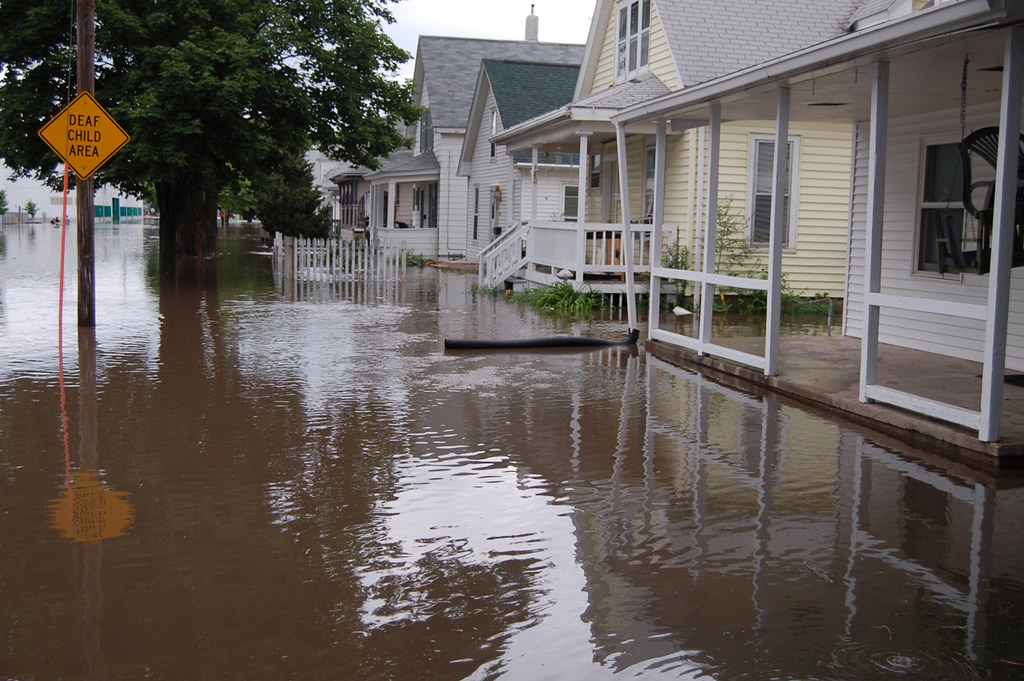
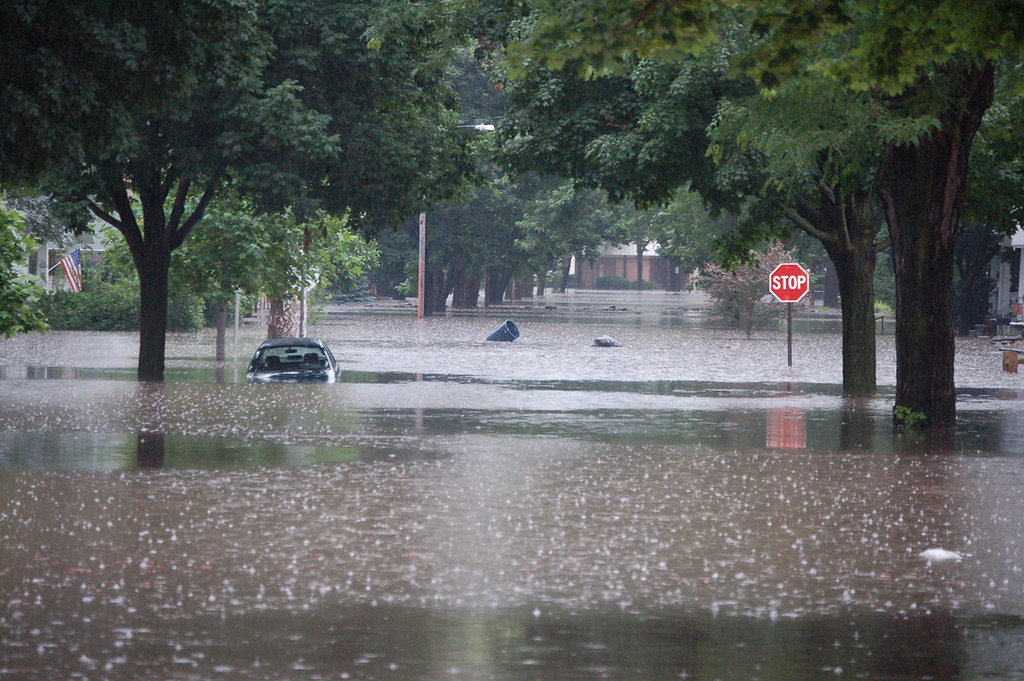
Flash floods in the St. George area are fast and unforgiving. The July 2026 event was no exception. Within minutes of the warning being issued, water was moving through neighborhoods in Santa Clara and into low-lying properties in Hurricane and Ivins. Many residents had little time to react before water had entered garages, crawl spaces, and ground-floor living areas.
DRT crews were deployed the same day. What we found when we arrived — and what our technicians dealt with over the following days and weeks — is the foundation of this guide.
What to Do After a Flash Flood (Based on What Worked in July 2026)
When our crews arrived on scene after the July event, the homeowners and business owners who fared best were the ones who had already taken these steps:
- Prioritized family safety first. Before assessing damage or salvaging belongings, they made sure everyone was out of harm's way and away from structurally compromised areas.
- Documented everything immediately. Photos and video of all visible damage — taken before cleanup began — made the insurance process significantly smoother.
- Avoided re-entering unsafe structures. Floodwater weakens foundations, warps door frames, and can mask electrical hazards. Waiting for a professional assessment was the right call.
- Contacted their insurance company early. The sooner a claim was opened, the sooner adjusters could be scheduled and restoration work could begin.
- Called DRT right away. Water damage worsens with every passing hour. Mold can begin developing within 24–48 hours of a flood event. Fast extraction and drying made a measurable difference in outcomes — and in final restoration costs.
If you're dealing with flood damage now — or preparing for future storms — call DRT: 385-287-6344. We offer 24/7 emergency response throughout Washington County.
How DRT Responded After the July 2026 Flood
Our team provided full-spectrum emergency restoration services in the aftermath of the July 2026 event, including:
- Emergency water extraction — removing standing water from affected homes and commercial properties as quickly as possible
- Structural drying — industrial dehumidification and air movement to dry wall cavities, subfloors, and framing
- Board-up and property securing — protecting damaged structures from further exposure
- Mold remediation — addressing secondary damage that developed in properties where water had sat for longer periods
- Smoke and soot removal — for any properties affected by fire-related secondary damage
- Full rebuild coordination — managing repairs from initial damage assessment through final restoration
- Direct insurance billing — working alongside adjusters to document damage and streamline the claims process for property owners
We know these communities. We've worked in Santa Clara, Hurricane, and Ivins before — and we understand the specific ways that desert flash floods behave differently from other water damage events.
Lessons Learned: What the July 2026 Flood Taught Us (and Our Clients)
Every major weather event leaves behind practical knowledge. Here's what the July 2026 flash flood reinforced for our team and for the property owners we worked with:
- Speed matters more than most people realize. The difference between a $4,000 restoration and a $40,000 rebuild often came down to how quickly water was extracted. Properties where owners waited even 48 hours to call saw significantly worse structural and mold outcomes.
- Flash floods in desert climates carry sediment and debris. Unlike indoor plumbing failures, floodwater from a desert storm is considered "Category 3" (black water) contamination. Standard cleanup isn't sufficient — professional remediation is required for safety.
- Insurance documentation is everything. Clients who had strong photo and video records, combined with DRT's written damage assessments, experienced far less friction in the claims process than those who began cleanup before documentation was complete.
- Mold doesn't wait. Several properties that appeared only lightly affected showed significant mold colonization within two weeks. Thermal imaging and moisture readings — not just visible inspection — are necessary to find hidden saturation.
- Pre-event preparation helps. Homeowners in Ivins and Santa Clara who had already identified their main water shutoff, kept DRT's number saved, and carried adequate flood coverage were in a meaningfully better position when the warning came through.
- Washington County floods again. The geology and drainage patterns of this region mean flash flood events are not rare. July 2026 was not the first, and it will not be the last. Having a restoration plan in place before the next event is not overcaution — it's smart homeownership.
Is Your Property at Risk? Know Before the Next Storm
The communities most affected during the July 2026 event — Santa Clara, Hurricane, and Ivins — all sit in drainage corridors that are vulnerable to rapid water accumulation during monsoon season. If your property has flooded before, or if you're in a low-lying area, arroyo-adjacent lot, or near the Santa Clara River, you should have a plan.
DRT offers pre-event consultations and is available 24/7 when the next warning is issued.
Don't wait for the next flood to find out who to call.
Save our number now: 385-287-6344
About Disaster Repair Team
DRT is a locally operated emergency restoration company serving Washington County and surrounding areas. We provide 24/7 water damage restoration, mold remediation, structural drying, board-up services, and full rebuild coordination. We work directly with all major insurance carriers.
We were on the ground during the July 2026 flash flood event, and we'll be ready for the next one. Our team knows this desert, these communities, and what it takes to bring a property back to pre-loss condition.
Call DRT any time, day or night: 385-287-6344
```Most homeowner policies cover sudden water damage (burst pipes, appliance failures). Natural flooding typically requires separate flood insurance. Either way, DRT documents everything from day one — moisture readings, photos, scope of work — so your claim is supported whether it goes through your standard policy or a flood policy.
Frequently Asked Questions
How quickly does mold grow after flooding?
Will my homeowner's insurance cover flood damage restoration?
What should I NOT do after my home floods?
How quickly can DRT respond?
Do I need to file my insurance claim before calling DRT?
DRT serves Santa Clara and surrounding areas. View our full Santa Clara service area page for more about our restoration services in your area, or browse all service areas.
Need Help Now?
The Disaster Repair Team provides 24/7 emergency restoration services across Utah.
Request Help Online