Emergency Flood & Water Damage Restoration — St. George
- Recovery resources and next steps
- Insurance claim guidance
- Lessons learned for future prevention
- Professional restoration support
Mold can start growing within 24–48 hours of water exposure. Fast extraction and drying dramatically reduce secondary damage and health risks.
Live Conditions
Real-time weather radar for Utah
How DRT Helped St. George Recover from the July 2026 Flash Flood — A Community Recovery Guide
Serving Hurricane, Ivins, Santa Clara, Washington, and the Greater St. George Area
On July 29, 2026, the National Weather Service Salt Lake City issued a Flash Flood Warning for the St. George area, effective from 11:51 AM MDT through 2:45 PM MDT. Within hours, homes and businesses across Washington County were contending with floodwater intrusion, structural damage, and the overwhelming question of what to do next.
The Disaster Repair Team (DRT) was on the ground responding to calls across St. George, Hurricane, Ivins, Santa Clara, and Washington. This page documents what happened, what we learned, and what every Southern Utah property owner should know before — and after — a flash flood event.
If you're dealing with flood damage now, we're still here: 385-287-6344
What the July 2026 Flash Flood Looked Like on the Ground
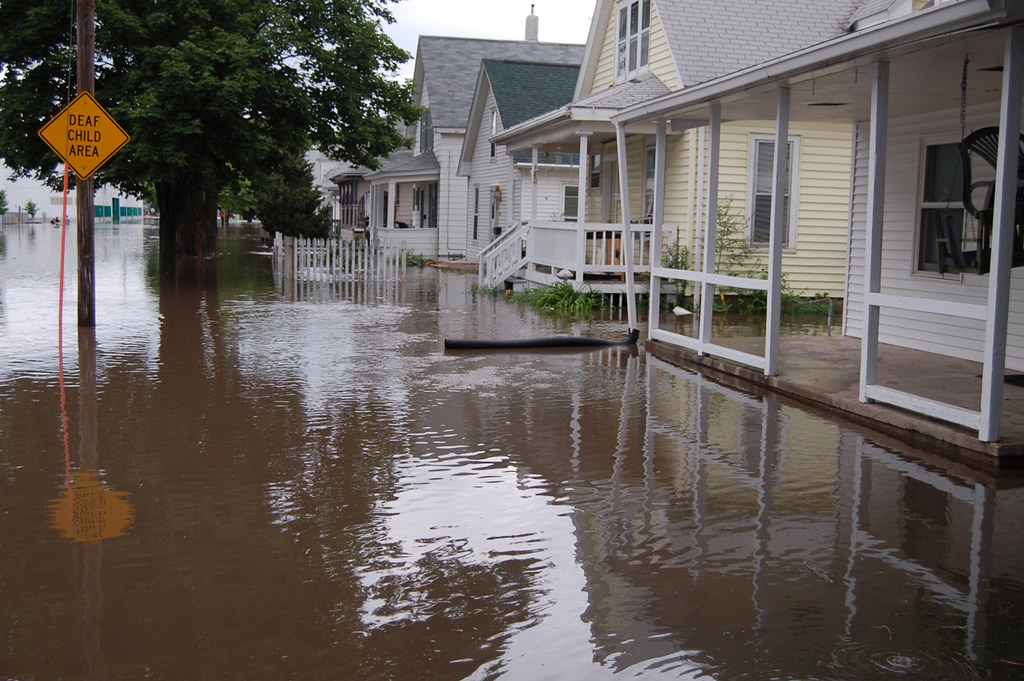
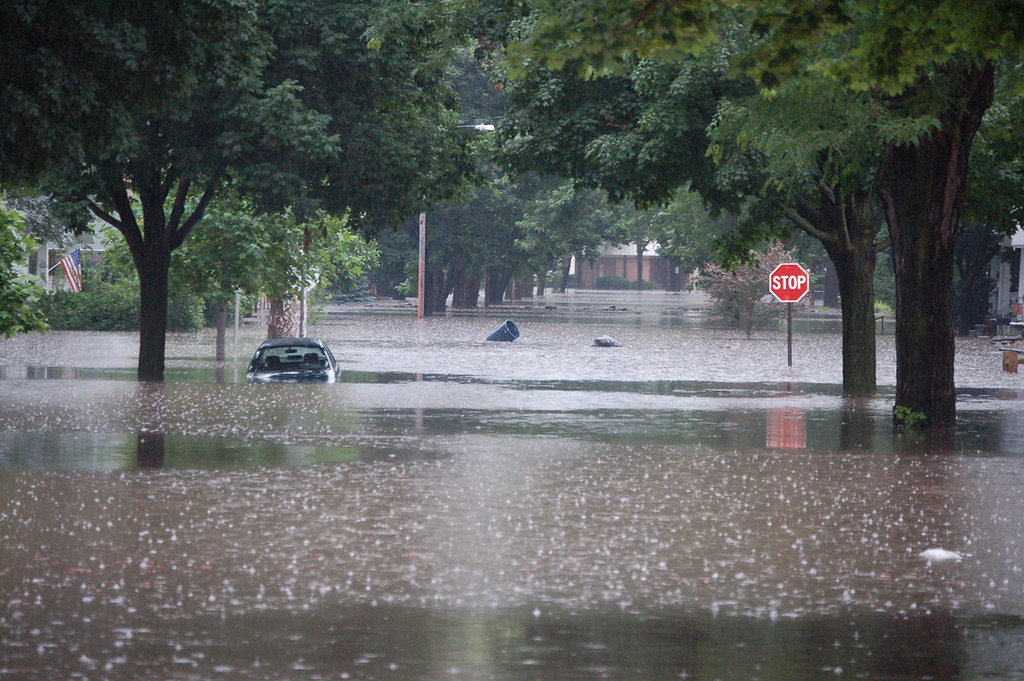
Flash floods in Washington County move fast. The July 29 event brought rapid water accumulation into low-lying neighborhoods, commercial properties, and areas near washes and drainage channels throughout the St. George metro area. Many property owners had only minutes to react before water entered their structures.
DRT crews responded to water extraction calls across multiple communities simultaneously, working through the afternoon and into the evening to help families and business owners begin the recovery process.
What Affected Homeowners and Businesses Should Have Done — And What You Should Do After Any Flood
Whether you're looking back at the July 2026 event or preparing for the next storm season, here's the step-by-step guidance we gave every caller during the response:
- Prioritize your family's safety first. Do not re-enter your home until floodwaters have fully receded and authorities have confirmed it is safe to do so.
- Do not enter structurally compromised areas. Floodwater weakens foundations, flooring, and walls. What looks stable may not be.
- Document everything before cleanup begins. Walk through your property and capture thorough photos and video of all damage — every room, every affected surface, every damaged item. This documentation is critical for your insurance claim.
- Contact your insurance company as soon as possible. Report the loss promptly and ask about your coverage for water damage, contents, and temporary housing if needed.
- Begin water extraction and drying immediately. Every hour standing water remains in a structure increases the risk of mold growth and secondary damage. Call a professional restoration team right away.
- Call DRT for emergency restoration: 385-287-6344
How DRT Helped the Community Recover
During and after the July 2026 flash flood, DRT provided full-spectrum emergency restoration services to homeowners and businesses across Washington County. Our teams handled:
- Emergency water extraction — removing standing water quickly to limit structural damage
- Structural drying — industrial drying equipment placed throughout affected areas to bring moisture levels back to safe ranges
- Mold remediation — addressing mold risk head-on in the warm, humid post-flood environment of Southern Utah summers
- Board-up and tarping — securing compromised structures against further exposure
- Smoke and soot removal — for any properties also affected by fire-related damage
- Full rebuild coordination — guiding property owners from damage assessment all the way through to restored, livable spaces
- Direct insurance coordination — working alongside adjusters so homeowners didn't have to manage the process alone
We live and work in this community. When St. George floods, our neighbors are the ones calling us — and we take that seriously.
Ready to talk through your damage or restoration needs? Call us: 385-287-6344
Lessons Learned: What the July 2026 Flash Flood Taught Us — And What It Should Teach Every Washington County Property Owner
1. Flash floods in Southern Utah happen faster than most people expect.
The desert terrain of Washington County — red rock, hardpan soil, and dry washes — doesn't absorb water the way green landscapes do. When monsoon rain falls, it runs. Storm drains overwhelm quickly, and washes that look bone-dry in the morning can carry dangerous flow within minutes of a storm cell forming.
2. The 72 hours after a flood are critical.
Mold can begin colonizing wet building materials within 24–48 hours, especially in Southern Utah's summer heat. Many homeowners who waited to call — hoping things would "dry out on their own" — faced significantly larger remediation scopes than those who called immediately. Speed matters more than almost anything else in flood recovery.
3. Documentation before cleanup protects your insurance claim.
Several property owners lost potential reimbursement because damage was cleaned up or moved before it was properly documented. Always photograph and video everything before a single item is removed or a single surface is touched.
4. Not all water damage is visible.
After the July 2026 event, our teams used moisture meters and thermal imaging to identify water trapped inside wall cavities and under flooring that showed no obvious surface signs. Hidden moisture left in place becomes a long-term mold and structural problem. Professional assessment — not just a visual walk-through — is essential.
5. Local matters in disaster response.
Out-of-area contractors appeared in Washington County in the days following the flood. Some homeowners signed contracts quickly and later found themselves dealing with slow response times, unfamiliar subcontractors, and difficulty getting anyone on the phone. DRT's crews are based here. We were responding to calls within hours because we didn't have to drive in from another state.
6. Your insurance company appreciates a professional restoration partner.
Working with a restoration company that communicates directly with adjusters, documents thoroughly, and scopes work accurately made the claims process smoother for many of our July 2026 clients. If your insurer is involved, having DRT in your corner helps.
7. Preparedness reduces recovery time.
Homeowners who already knew where their water shutoffs were, had a basic emergency kit, and had reviewed their insurance policies fared better. Consider this guide a prompt to review your own preparedness before the next monsoon season arrives.
Serving All of Washington County
DRT has responded to flood, fire, and storm damage events across the entire St. George metro area, including:
- St. George
- Hurricane
- Ivins
- Santa Clara
- Washington
- La Verkin
- Toquerville
- Leeds
- And surrounding Washington County communities
We know these neighborhoods. We know the washes, the drainage patterns, and the building types that show up most often after a Southern Utah storm. That local knowledge makes us faster and more effective.
Get Help From the Team That Was There
If your home or business suffered damage in the July 2026 flash flood — or if you're dealing with water, fire, or storm damage right now — DRT is ready to respond.
We provide 24/7 emergency restoration services and work directly with your insurance company from first call through final rebuild.
Call DRT: 385-287-6344
Available 24 hours a day, 7 days a week. No call center — just our local team picking up.
```Most homeowner policies cover sudden water damage (burst pipes, appliance failures). Natural flooding typically requires separate flood insurance. Either way, DRT documents everything from day one — moisture readings, photos, scope of work — so your claim is supported whether it goes through your standard policy or a flood policy.
Frequently Asked Questions
How quickly does mold grow after flooding?
Will my homeowner's insurance cover flood damage restoration?
What should I NOT do after my home floods?
How quickly can DRT respond?
Do I need to file my insurance claim before calling DRT?
DRT serves St. George and surrounding areas. View our full St. George service area page for more about our restoration services in your area, or browse all service areas.
Need Help Now?
The Disaster Repair Team provides 24/7 emergency restoration services across Utah.
Request Help Online