Emergency Flood & Water Damage Restoration — Ivins
- Recovery resources and next steps
- Insurance claim guidance
- Lessons learned for future prevention
- Professional restoration support
Follow local emergency guidance. Stay out of unsafe areas and call emergency services if there is immediate danger.
Live Conditions
Real-time weather radar for Utah
How DRT Helped Ivins Recover from the October 2026 Flash Flood — A Community Recovery Guide
Serving Cedar City, Enoch, Hurricane, Ivins & Surrounding Southern Utah Communities
On October 21, 2026, the National Weather Service Salt Lake City issued a Flash Flood Warning for Ivins and surrounding communities at 5:01 PM MDT, lasting through 8:00 PM MDT. What followed was a scramble for hundreds of homeowners and business owners — flooded floors, damaged foundations, soaked drywall, and the overwhelming question: where do we even start?
The Disaster Repair Team (DRT) responded immediately and worked through the days and weeks that followed to help families across Ivins, Cedar City, Enoch, Hurricane, and neighboring communities get back on their feet. This page documents what happened, what we learned, and what you should know if you're dealing with flood damage — whether from that storm or any event since.
Still dealing with damage? We're here. Call now: 385-287-6344
What the October 2026 Flash Flood Looked Like on the Ground
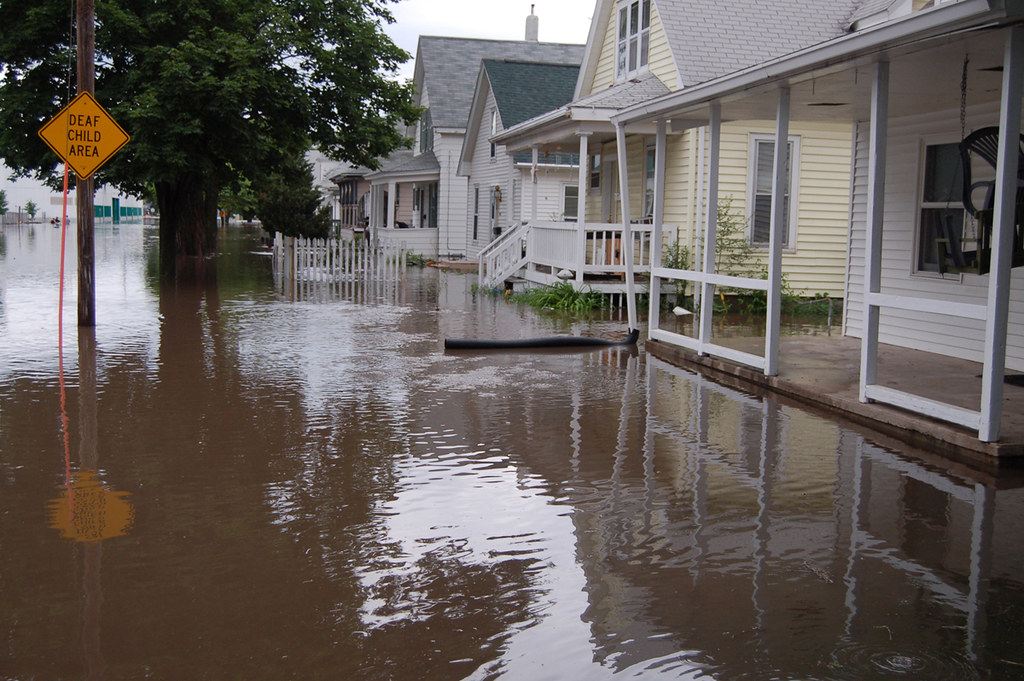
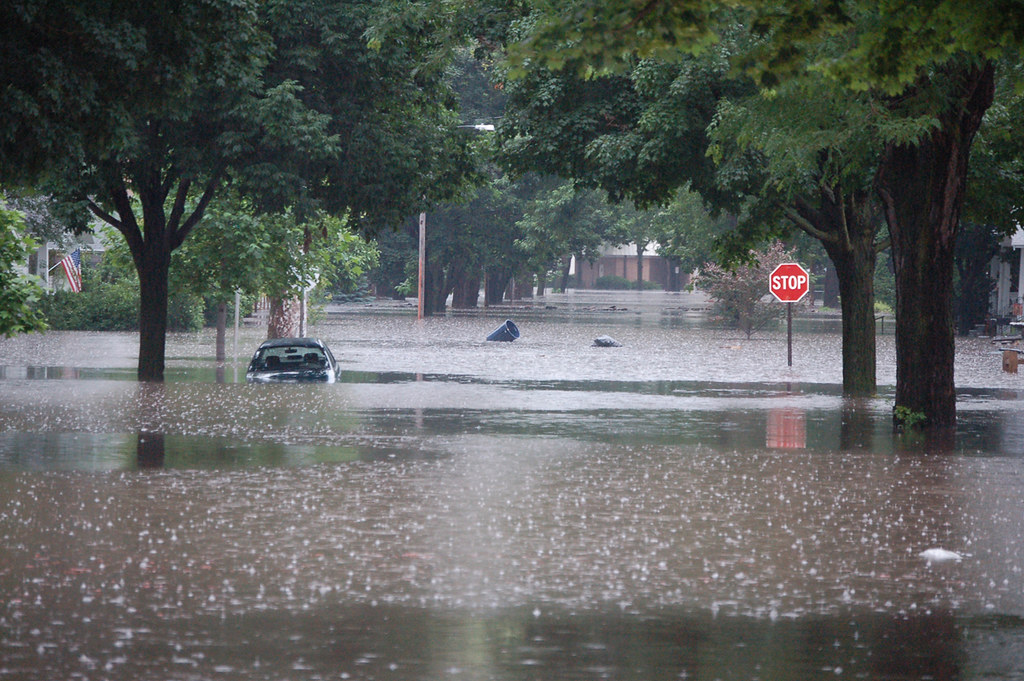
The warning window was short — less than three hours — but the damage was not. Fast-moving water entered homes through garage doors, window wells, and low-lying entryways. Residents in Ivins and Hurricane saw water intrusion that saturated subfloor materials within minutes. By the time the warning expired, DRT crews were already in the field conducting assessments and beginning water extraction.
Many of the calls we received in the days after the event weren't from people who saw immediate flooding — they were from homeowners who noticed water damage, musty odors, or warped flooring days later, after moisture had already begun migrating into walls and structural materials.
What to Do After a Flash Flood — The Steps That Made a Difference
Based on what we saw during the October 2026 event, here's the protocol that helped homeowners protect their property and insurance claims:
- Prioritize your family's safety first. Before re-entering your home, confirm the structure was not compromised by moving water or saturation. When in doubt, wait for a professional assessment.
- Document everything before cleanup begins. Photograph and video every affected room, every water line, every damaged item. This documentation was critical for insurance claims after the October event.
- Do not enter structurally compromised areas. Flood water can undermine foundations, weaken load-bearing walls, and create hidden hazards. Treat any area with significant intrusion as potentially unsafe until inspected.
- Contact your insurance company as soon as possible. Early notification opens your claim and establishes a timeline. DRT worked directly with adjusters throughout the October response — the sooner the claim was opened, the smoother the process went.
- Call DRT for restoration assessment and emergency services. Many of the worst outcomes we saw after October 2026 came from delayed response — mold established in as little as 24–48 hours in flooded Southern Utah homes during warm months. Call 385-287-6344 — we offer 24/7 emergency response.
How DRT Responded — Services Deployed After the October 2026 Flood
During and after the October 2026 flash flood event, DRT deployed the full range of our restoration capabilities across Ivins and the broader Washington and Iron County areas:
- Emergency water extraction — truck-mounted and portable units deployed within hours of the warning expiring
- Structural drying — industrial dehumidifiers and air movers placed to prevent secondary moisture damage to framing, subfloor, and drywall
- Moisture mapping and assessment — thermal imaging and moisture meters used to find hidden saturation behind walls and under flooring
- Board-up and weatherproofing — for properties with compromised windows, doors, or exterior damage
- Mold remediation — several properties required remediation in the weeks following the event as moisture was not addressed quickly enough
- Full rebuild coordination — from drywall replacement to flooring, cabinetry, and paint, DRT managed the rebuild process end-to-end
- Direct insurance coordination — DRT worked alongside adjusters to document scope, support claims, and keep projects moving
Need restoration services now? Call DRT 24/7: 385-287-6344
Lessons Learned — What the October 2026 Flood Taught Us and Our Clients
Having worked through this event from the first call to the final rebuild, here's what DRT and the communities we served took away:
1. Speed is everything with water damage.
The difference between a straightforward drying job and a full mold remediation project often came down to 24–48 hours. Homeowners who called DRT during or immediately after the event had significantly lower total restoration costs and shorter timelines than those who waited to "see if things dried out on their own."
2. Flash floods damage more than floors.
Several clients were surprised to find moisture in wall cavities, insulation, and even electrical systems days after visible water had receded. Surface drying is not the same as structural drying — without professional equipment, moisture migrates upward and inward.
3. Insurance documentation starts the moment water enters.
The clients who had the smoothest claims processes were those who photographed damage immediately, before any cleanup, and who called their insurer within the first 24 hours. DRT's team supported documentation efforts for dozens of clients during the October response.
4. Southern Utah's climate creates unique mold risk.
The warm temperatures in Ivins, Hurricane, and the broader St. George area accelerate mold growth after water intrusion. What might take a week in a cooler climate can begin in 24 hours here. Residents should treat any flood intrusion as a time-sensitive remediation situation.
5. Having a local, experienced team already familiar with your area matters.
DRT is based in Southern Utah. We know the soil composition, the building styles, the typical flood intrusion points, and the insurance landscape here. That local knowledge made our response faster and more effective than a national franchise dispatched from outside the region.
6. Pre-flooding preparation pays off.
Homeowners who had already photographed their possessions for insurance purposes, knew where their water shutoff was located, and had DRT's number saved were better positioned from the first minutes of the event. We encourage every Southern Utah resident to take these steps before the next warning is issued.
DRT Has Been Through This Before — And We're Ready for What Comes Next
The October 2026 flash flood was not the first storm DRT responded to in Washington and Iron Counties, and it won't be the last. Southern Utah's monsoon seasons, desert flash flood terrain, and aging infrastructure mean that water damage events are a recurring reality for our communities.
DRT has built its team, its equipment inventory, and its local relationships specifically to serve homeowners and businesses in Ivins, Cedar City, Enoch, Hurricane, St. George, and surrounding areas when these events occur. We don't mobilize from out of state. We're already here.
If you experienced damage during the October 2026 event and are still dealing with lingering issues — moisture, mold, structural concerns, or an unresolved insurance claim — we can help. If you're preparing for future events or dealing with a new situation entirely, we're available 24 hours a day, 7 days a week.
Call DRT now: 385-287-6344
We work directly with your insurance company, provide written assessments, and have helped dozens of Southern Utah families recover from exactly what you may be facing right now.
This page documents DRT's response to the National Weather Service Flash Flood Warning issued October 21, 2026 for Ivins and surrounding communities, and serves as an ongoing resource for flood recovery in Cedar City, Enoch, Hurricane, and Southern Utah.
Coverage and claim requirements depend on your policy and the cause of damage. Contact your insurer to confirm coverage before authorizing work. Keep photos and receipts when safe to do so.
Frequently Asked Questions
What should I do first?
Does insurance cover restoration?
How soon can restoration begin?
DRT serves Ivins and surrounding areas. View our full Ivins service area page for more about our restoration services in your area, or browse all service areas.
Need Help Now?
The Disaster Repair Team provides 24/7 emergency restoration services across Utah.
Request Help Online