Emergency Flood & Water Damage Restoration — Parowan
- Recovery resources and next steps
- Insurance claim guidance
- Lessons learned for future prevention
- Professional restoration support
Follow local emergency guidance. Stay out of unsafe areas and call emergency services if there is immediate danger.
Live Conditions
Real-time weather radar for Utah
How DRT Helped Parowan Recover from the October 2026 Flash Flood — A Local Recovery Case Study
Serving Cedar City, Enoch, Hurricane, Parowan, and surrounding Iron & Washington County communities
About This Event
On October 21, 2026, the National Weather Service Salt Lake City issued a Flash Flood Warning for the Parowan area, effective from 5:01 PM MDT through 8:00 PM MDT. The event impacted homes and businesses across southern Utah, leaving many property owners facing water damage, structural concerns, and the stressful process of filing insurance claims.
The Disaster Repair Team (DRT) responded to calls throughout the affected area. This page documents what happened, what we learned, and what property owners should know if they experienced damage — or want to be better prepared next time.
If you are still dealing with damage from this event or any flooding incident, we are here to help. Call us now: 385-287-6344
What Property Owners Faced After the Warning
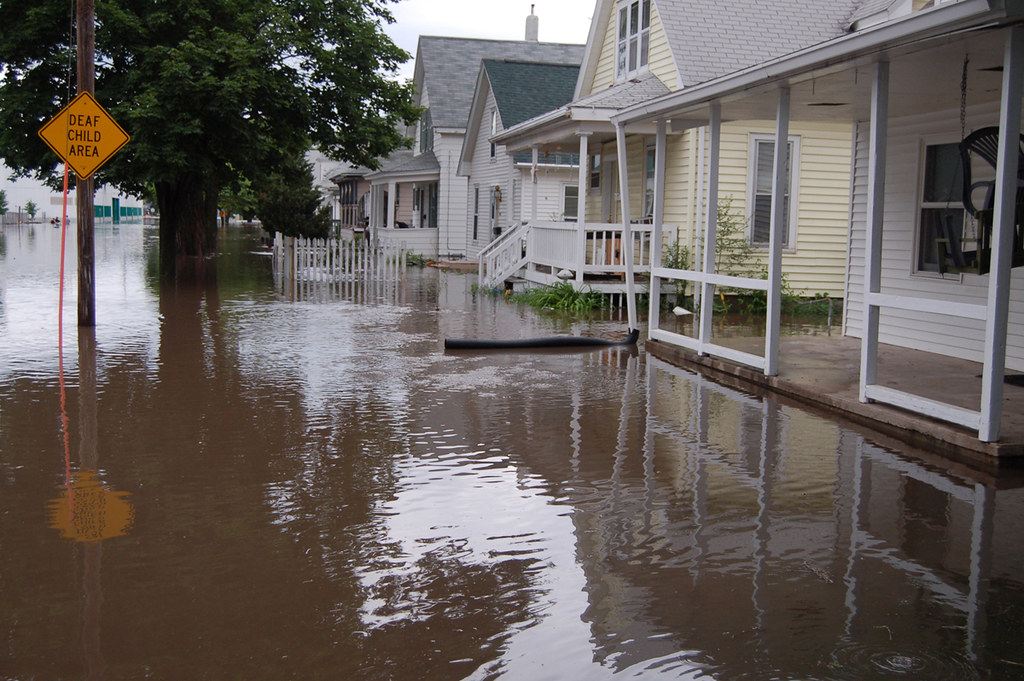
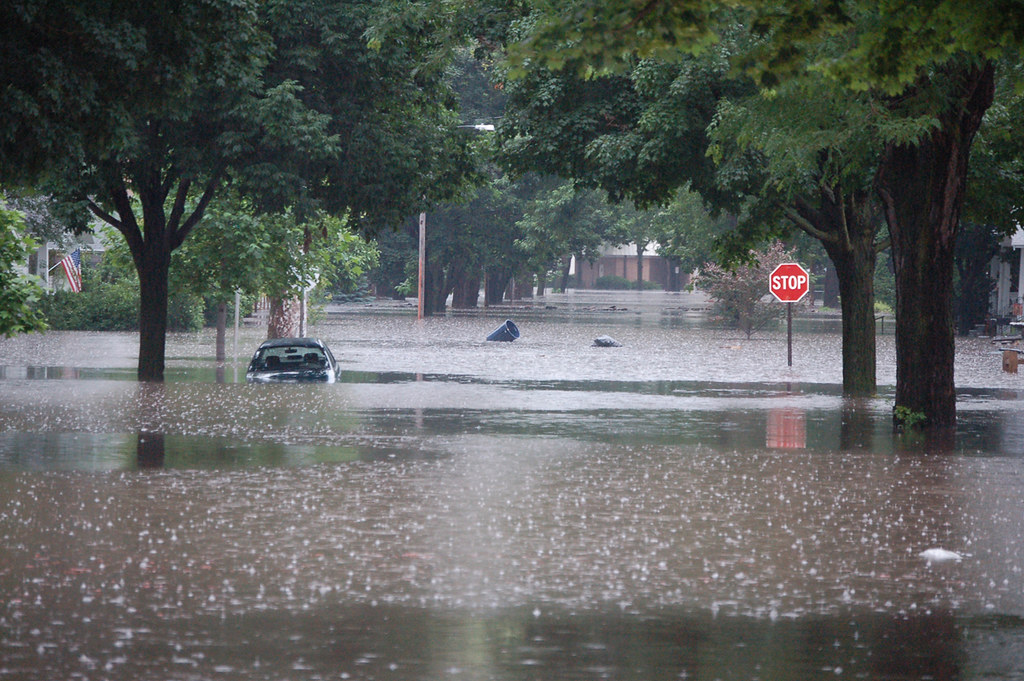
Flash flood events in southern Utah move fast. Within hours of the October 2026 warning, property owners across Parowan, Cedar City, Enoch, and Hurricane were contacting DRT with concerns including:
- Standing water and saturated flooring in basements and ground-floor rooms
- Mud and debris intrusion through doors, window wells, and foundation gaps
- Concerns about structural integrity in older homes
- Uncertainty about what to document before beginning any cleanup
- Questions about how to start the insurance claims process
Many homeowners had never experienced a flash flood before and weren't sure what steps to take first. This guide is designed to answer exactly those questions.
What to Do After a Flash Flood — The Right Steps, in Order
Whether you are recovering from the October 2026 event or a future flooding incident, these steps apply:
- Prioritize your family's safety first. Do not re-enter your home until floodwaters have fully receded and local authorities have confirmed it is safe to do so.
- Document everything before touching anything. Take extensive photos and video of all affected areas, including floors, walls, ceilings, contents, and any visible structural damage. This documentation is critical for your insurance claim.
- Do not enter structurally compromised areas. Floodwater can weaken foundations, floor joists, and load-bearing walls. If anything looks unstable, stay out and call a professional.
- Contact your insurance company as soon as possible. Report the damage promptly and ask about your coverage, deductible, and the claims process. Keep records of every conversation.
- Call DRT to begin professional restoration. The longer water sits, the greater the risk of mold growth, structural deterioration, and secondary damage. Early professional intervention saves money and reduces long-term harm. Call 385-287-6344
How DRT Responded to the October 2026 Flood
DRT teams were deployed across the Parowan and Cedar City area in the hours and days following the October 2026 event. Services provided to affected property owners included:
- Emergency water extraction — removing standing water quickly to limit absorption into building materials
- Structural drying — industrial dehumidification and airflow systems to dry walls, subfloors, and framing
- Mold remediation — monitoring and treating affected areas to prevent mold colonization in the days following the event
- Board-up and weatherproofing — securing properties where flood damage created openings or vulnerabilities
- Full rebuild coordination — managing repairs from damaged drywall and flooring through to complete structural restoration
- Direct insurance coordination — working alongside adjusters to document damage thoroughly and streamline the claims process for homeowners
DRT is a 24/7 emergency restoration provider. We have been through flood events across Iron and Washington Counties and understand the specific challenges that southern Utah's terrain and weather patterns create.
Lessons Learned from the October 2026 Parowan Flash Flood
Every disaster event teaches us something. Here is what the October 2026 flood reinforced for our team and for the homeowners we worked with:
1. Flash Floods Move Faster Than Expected
The warning window was less than three hours. Many property owners had little time to move belongings, sandbag entry points, or prepare. In southern Utah's canyon and valley terrain, water can arrive faster than NWS lead times suggest. Having even a basic flood preparation plan in place before a warning is issued makes a significant difference.
2. Waiting to Call Makes Damage Worse
Several homeowners who delayed calling for professional help by 24–48 hours experienced secondary mold growth and deeper material saturation that significantly increased repair costs. Water damage is time-sensitive. The sooner extraction and drying begin, the better the outcome.
3. Documentation Protects You
Homeowners who photographed and videoed damage thoroughly — before any cleanup — had smoother, faster insurance claim resolutions. Those who began cleaning up first sometimes had claims delayed or disputed. Document first, always.
4. Standard Homeowner's Insurance Often Does Not Cover Flood Damage
A number of affected residents discovered that their standard homeowner's policy excluded flood damage. Flood coverage typically requires a separate policy through the National Flood Insurance Program (NFIP) or a private flood insurer. If you live in a flood-prone area of southern Utah, review your policy now — before the next event.
5. Local Knowledge Matters
National restoration chains were slower to respond and less familiar with local building styles, soil conditions, and the specific way water moves through Parowan Valley. Having a local southern Utah team that knows the area meant faster response times and more accurate assessments for DRT clients.
Still Dealing With Damage? DRT Is Ready.
If your home or business sustained flood damage — from the October 2026 event or any other incident — the DRT team is available 24 hours a day, 7 days a week. We serve Parowan, Cedar City, Enoch, Hurricane, and communities throughout Iron and Washington Counties.
We work directly with your insurance company to document damage, coordinate repairs, and get your property restored as efficiently as possible.
Call us now: 385-287-6344
Do not wait. The sooner you call, the better we can protect your home.
Coverage and claim requirements depend on your policy and the cause of damage. Contact your insurer to confirm coverage before authorizing work. Keep photos and receipts when safe to do so.
Frequently Asked Questions
What should I do first?
Does insurance cover restoration?
How soon can restoration begin?
DRT serves Parowan and surrounding areas. View our full Parowan service area page for more about our restoration services in your area, or browse all service areas.
Need Help Now?
The Disaster Repair Team provides 24/7 emergency restoration services across Utah.
Request Help Online