Emergency Flood & Water Damage Restoration — Santa Clara
- Recovery resources and next steps
- Insurance claim guidance
- Lessons learned for future prevention
- Professional restoration support
Follow local emergency guidance. Stay out of unsafe areas and call emergency services if there is immediate danger.
Live Conditions
Real-time weather radar for Utah
How DRT Helped Santa Clara Recover from the October 2026 Flash Flood Warning
A Recovery Case Study & Resource Guide for Cedar City, Enoch, Hurricane & Surrounding Communities
On October 21, 2026, the National Weather Service Salt Lake City issued a Flash Flood Warning for the Santa Clara area at 5:01 PM MDT, lasting through 8:00 PM MDT that evening. Within hours, homes and businesses across Cedar City, Enoch, Hurricane, and neighboring communities experienced flooding damage ranging from saturated crawlspaces to significant structural intrusion.
The Disaster Repair Team (DRT) responded immediately — and in the days and weeks that followed, we worked alongside homeowners, business owners, and insurance adjusters to help this community rebuild. This page documents what happened, what we learned, and what you should do if flooding has affected your property.
If you're dealing with flood damage right now, don't wait. Call us 24/7:
385-287-6344
What the October 2026 Flash Flood Looked Like on the Ground
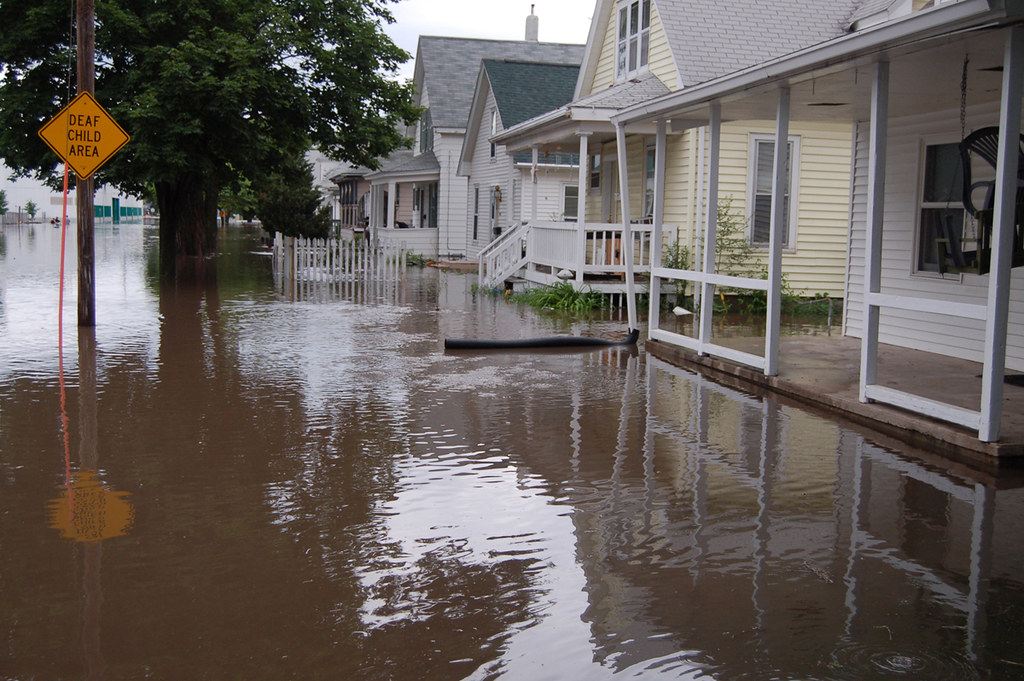
Flash flood warnings in Southern Utah can escalate quickly — and the October 21st event was no exception. Within the warning window, storm runoff overwhelmed drainage infrastructure in several neighborhoods, pushing water into garages, ground-floor living spaces, and commercial properties. Many residents had little time to move belongings or prepare.
DRT crews were mobilized before the warning even expired, staging equipment and coordinating logistics so that emergency response could begin at first light — and in many cases, the same evening.
What Homeowners and Business Owners Did Right (And What You Should Do Too)
In the aftermath of the October flood, the residents who fared best in the recovery process followed a clear set of steps. Whether you're recovering from that event or a future one, this checklist applies:
- Prioritized family safety first — They did not re-enter structurally compromised areas until it was confirmed safe to do so.
- Documented all damage immediately — Photos and video of every affected room, wall, floor, and belonging were taken before any cleanup began. This documentation proved critical during insurance claims.
- Avoided entering unsafe structures — Floodwater can compromise foundations, floor joists, and load-bearing walls. Waiting for a professional assessment protected families from secondary injuries.
- Contacted their insurance company promptly — Early notification opened claims faster and helped streamline the adjuster process.
- Called DRT before attempting DIY drying — Improper drying is one of the leading causes of hidden mold growth after flooding. Professional moisture mapping made the difference.
Dealing with flood damage? Call DRT now — we work directly with your insurance company:
385-287-6344
How DRT Helped the Community Recover
DRT provided full-spectrum emergency restoration services throughout the recovery period, including:
- Emergency water extraction — Removing standing water quickly to minimize structural damage and reduce mold risk
- Structural drying — Industrial desiccant and air-mover systems to dry wall cavities, subfloors, and framing
- Moisture mapping — Thermal imaging and moisture meters to find water that wasn't visible to the naked eye
- Board-up and securing — Protecting damaged properties from weather and unauthorized entry
- Mold remediation — Identifying and eliminating mold growth before it spread into living areas
- Full rebuild coordination — From drywall replacement to flooring, finish work, and beyond
- Direct insurance coordination — Working alongside adjusters to document scope of loss and streamline approvals
We served homeowners and commercial property owners across Santa Clara, Cedar City, Enoch, Hurricane, and surrounding Washington County communities.
Lessons Learned: What the October 2026 Flood Taught Our Community
Every disaster response teaches us something. Here is what DRT and the homeowners we served took away from the October 2026 event:
1. Time is the most critical variable after flooding
Mold can begin colonizing wet building materials within 24–48 hours. Homeowners who called DRT within the first day experienced significantly less secondary damage — and lower overall restoration costs — than those who waited several days hoping the damage would dry on its own.
2. DIY drying can make things worse
Several property owners used household fans or opened windows to try to dry flooded spaces. In some cases, this spread moisture into previously unaffected areas or created temperature differentials that accelerated mold growth. Professional drying equipment is calibrated for the job in ways consumer equipment is not.
3. Flood damage often hides behind walls
Many properties that looked "not that bad" on the surface had significant moisture intrusion inside wall cavities and under flooring. Without thermal imaging and moisture meters, this damage would have gone undetected — until mold made itself known weeks later.
4. Insurance documentation starts the moment flooding stops
Homeowners who photographed and video-documented every inch of damage before any cleanup — including waterlines on walls, affected furniture, and damaged personal property — had smoother, faster claims. Those who cleaned up first sometimes struggled to prove the full extent of loss.
5. Having a trusted restoration company's number saved time and stress
During a flooding event, the last thing you want to do is research contractors. Several families told us that knowing DRT's number ahead of time — or finding us quickly — gave them an immediate sense of direction when everything else felt chaotic. Save our number now.
6. Southern Utah's flash flood risk is real and recurring
The geography and soil composition of Washington County make rapid runoff events a recurring reality — not a rare outlier. The October 2026 event reinforced that preparation, not just response, is essential for protecting your property long-term.
DRT: Southern Utah's Experienced Local Restoration Team
DRT isn't a national call center that dispatches unfamiliar crews. We are a local team that has responded to floods, fires, and storms across Cedar City, Enoch, Hurricane, Santa Clara, St. George, and surrounding communities — repeatedly, over years. When an event like October 2026 happens, we already know the neighborhoods, the soil, the drainage patterns, and the building types.
We've been through this before. And we're ready when it happens again.
If your property has been affected by flooding — whether from a major event or a slower, hidden leak — call DRT. We provide 24/7 emergency response and work directly with your insurance company from start to finish.
Flood Recovery Resources
- National Weather Service Salt Lake City — Forecasts & Warnings
- Washington County Emergency Management
- Your homeowner's or commercial property insurance provider
- FEMA Individual Assistance: disasterassistance.gov
This resource page was developed following DRT's emergency response to the October 21, 2026 Flash Flood Warning issued by NWS Salt Lake City for the Santa Clara, Utah area. It is maintained as an ongoing community resource for flood recovery guidance across Cedar City, Enoch, Hurricane, and Washington County.
Coverage and claim requirements depend on your policy and the cause of damage. Contact your insurer to confirm coverage before authorizing work. Keep photos and receipts when safe to do so.
Frequently Asked Questions
What should I do first?
Does insurance cover restoration?
How soon can restoration begin?
DRT serves Santa Clara and surrounding areas. View our full Santa Clara service area page for more about our restoration services in your area, or browse all service areas.
Need Help Now?
The Disaster Repair Team provides 24/7 emergency restoration services across Utah.
Request Help Online