Emergency Flood & Water Damage Restoration — St. George
- Recovery resources and next steps
- Insurance claim guidance
- Lessons learned for future prevention
- Professional restoration support
Follow local emergency guidance. Stay out of unsafe areas and call emergency services if there is immediate danger.
Live Conditions
Real-time weather radar for Utah
How DRT Helped St. George Recover from the October 2026 Flash Flood — A Community Recovery Resource
Serving Cedar City, Enoch, Hurricane, St. George, and surrounding Washington County communities
On October 21, 2026, the National Weather Service Salt Lake City issued a Flash Flood Warning for the St. George area, effective from 5:01 PM MDT through 8:00 PM MDT. In the hours and days that followed, the Disaster Repair Team (DRT) responded to homes and businesses across Washington County — extracting water, drying structures, coordinating with insurers, and helping families get back on their feet.
This page serves as a lasting resource for anyone affected by that event, or by future flooding in Southern Utah. If you're dealing with flood damage right now, we've been through this before — and we're ready to help again.
Call DRT 24/7: 385-287-6344
What Happened: The October 2026 Flash Flood Warning
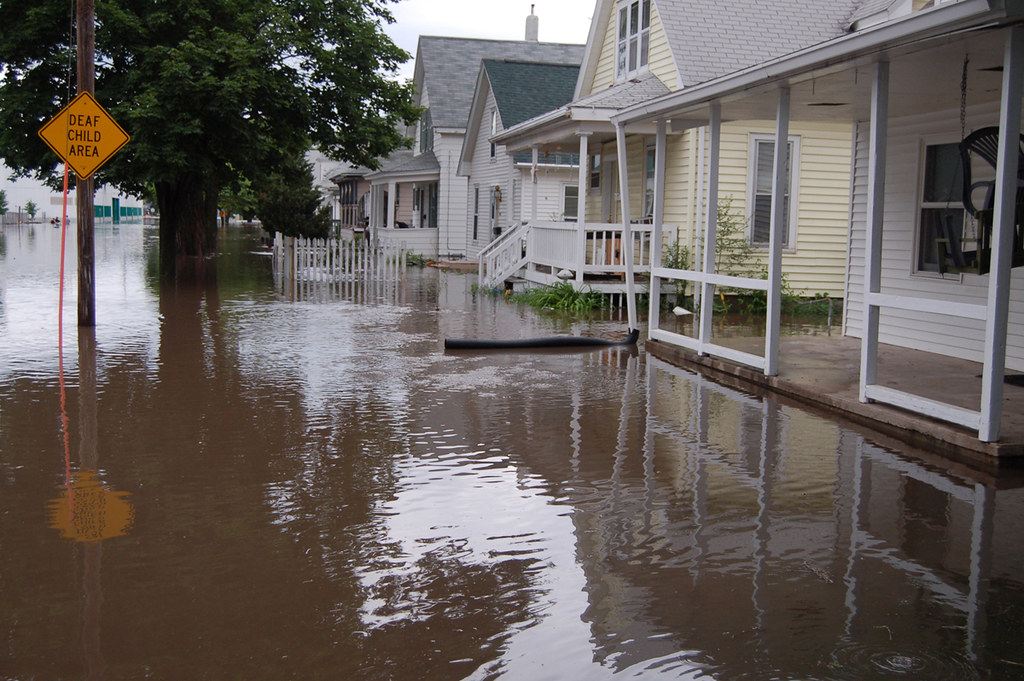
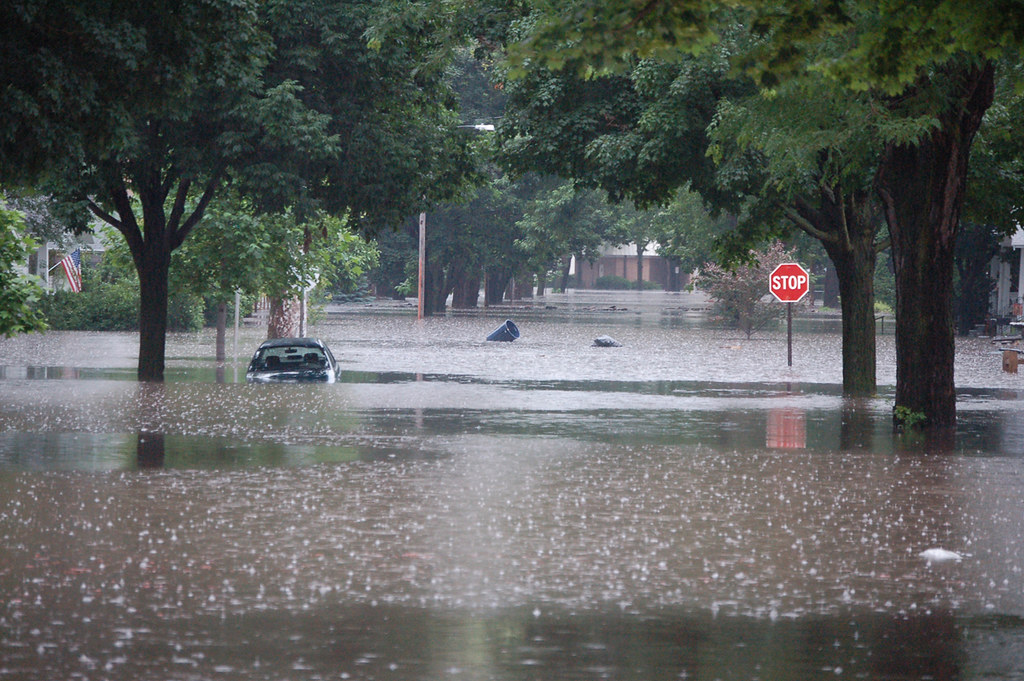
The warning covered a critical evening window when many residents were caught off guard. Flash flooding in Southern Utah can develop rapidly due to the region's desert terrain, hardpan soil, and canyon geography — conditions that cause water to sheet and funnel quickly into developed areas. Within hours of the warning, DRT crews were mobilized and responding across Cedar City, Enoch, Hurricane, and St. George.
What to Do After a Flood — The Steps That Made a Difference
Whether you experienced flooding during the October 2026 event or are navigating a new situation, these are the same steps DRT walked homeowners and business owners through on the ground:
- Prioritize your family's safety first. Do not re-enter your home until authorities confirm it is safe to do so.
- Document all damage immediately with photos and video before anything is moved or cleaned up. This documentation was critical for insurance claims after the October event.
- Do not enter structurally compromised areas. Floodwater can weaken foundations, floors, and walls in ways that aren't always visible.
- Contact your insurance company as soon as possible to open a claim and understand your coverage. DRT works directly with insurers to streamline this process.
- Call DRT to begin emergency restoration. The faster water extraction and structural drying begins, the less secondary damage — including mold — your property will sustain.
Call DRT now: 385-287-6344
How DRT Responded — Services Deployed After the October 2026 Flood
DRT crews provided comprehensive emergency and restoration services across the affected communities, including:
- 24/7 Emergency Water Extraction — Rapid removal of standing water to minimize structural absorption
- Structural Drying — Industrial drying equipment deployed to walls, subfloors, and cavities
- Board-Up and Tarping — Securing compromised structures against further weather exposure
- Mold Remediation — Addressing mold growth that developed in the days following initial flooding
- Smoke and Soot Removal — For properties where flood events coincided with other hazards
- Full Rebuild Coordination — From damaged drywall to full structural repairs, managed under one roof
- Direct Insurance Coordination — DRT worked alongside adjusters to document scope and expedite approvals
Lessons Learned: What the October 2026 Flood Taught Southern Utah Homeowners
Having responded to this event firsthand, our team identified several patterns that either helped or hurt homeowners in the recovery process. These lessons are worth knowing before the next storm:
1. Speed Is Everything with Water Damage
Homeowners who called within the first few hours consistently experienced less secondary damage. Mold can begin developing within 24–48 hours in Utah's warm fall conditions. Waiting — even overnight — often meant a larger remediation scope and higher overall costs.
2. Documentation Protects Your Claim
Several homeowners who had already begun cleanup before photographing damage faced pushback from their insurance adjusters. Document first, then act — or let DRT do both simultaneously.
3. Flash Floods Don't Respect Flood Zones
Many of the properties DRT responded to were not in designated flood zones. Southern Utah's geography means flood risk exists broadly, not just in mapped areas. Standard homeowners insurance often does not cover flooding — reviewing your policy before an event is critical.
4. Local Response Beats National 1-800 Lines
Homeowners who called large national restoration companies frequently reported delays of 24–48 hours or more. DRT's crews are based in Southern Utah — we were on the ground in Cedar City, Enoch, Hurricane, and St. George the same evening the warning was issued.
5. Mold Is a Secondary Crisis
In the weeks following the October 2026 event, DRT received calls from homeowners who believed their initial damage was minor — only to discover significant mold growth inside walls and under flooring. If your property had any water intrusion, a professional assessment is worth every penny.
DRT Has Been Through This Before — And We're Ready for What Comes Next
The October 2026 flood was not the first time Southern Utah communities faced rapid, damaging flooding — and it won't be the last. DRT has built its entire operation around being the team that shows up fast, works directly with your insurance company, and sees the job through from emergency response to full restoration.
If you're dealing with flood, water, or storm damage — whether from a past event or one happening now — our team is available around the clock.
Call DRT 24/7: 385-287-6344
Serving St. George, Cedar City, Enoch, Hurricane, Washington, Ivins, Santa Clara, and all of Washington and Iron Counties.
Coverage and claim requirements depend on your policy and the cause of damage. Contact your insurer to confirm coverage before authorizing work. Keep photos and receipts when safe to do so.
Frequently Asked Questions
What should I do first?
Does insurance cover restoration?
How soon can restoration begin?
DRT serves St. George and surrounding areas. View our full St. George service area page for more about our restoration services in your area, or browse all service areas.
Need Help Now?
The Disaster Repair Team provides 24/7 emergency restoration services across Utah.
Request Help Online