Emergency Flood & Water Damage Restoration — Hurricane
- Recovery resources and next steps
- Insurance claim guidance
- Lessons learned for future prevention
- Professional restoration support
Mold can start growing within 24–48 hours of water exposure. Fast extraction and drying dramatically reduce secondary damage and health risks.
Live Conditions
Real-time weather radar for Utah
How DRT Helped Hurricane, Ivins, Santa Clara & Surrounding Communities Recover from the October 2026 Flash Flood
On October 11, 2026, the National Weather Service Salt Lake City issued a Flash Flood Warning at 6:04 PM MDT, lasting until 9:15 PM MDT. Floodwaters impacted homes and businesses across Hurricane, Ivins, Santa Clara, and neighboring Washington County communities.
The Disaster Repair Team was on the ground and responding before the warning expired. This page serves as a permanent resource for anyone affected by that event — or any flooding event in the region — documenting what happened, how we helped, and what every property owner should know about recovering from flash flood damage.
If you are dealing with flood damage right now, don't wait. Our team is available around the clock.
Call anytime: 385-287-6344
What the October 2026 Flash Flood Looked Like on the Ground
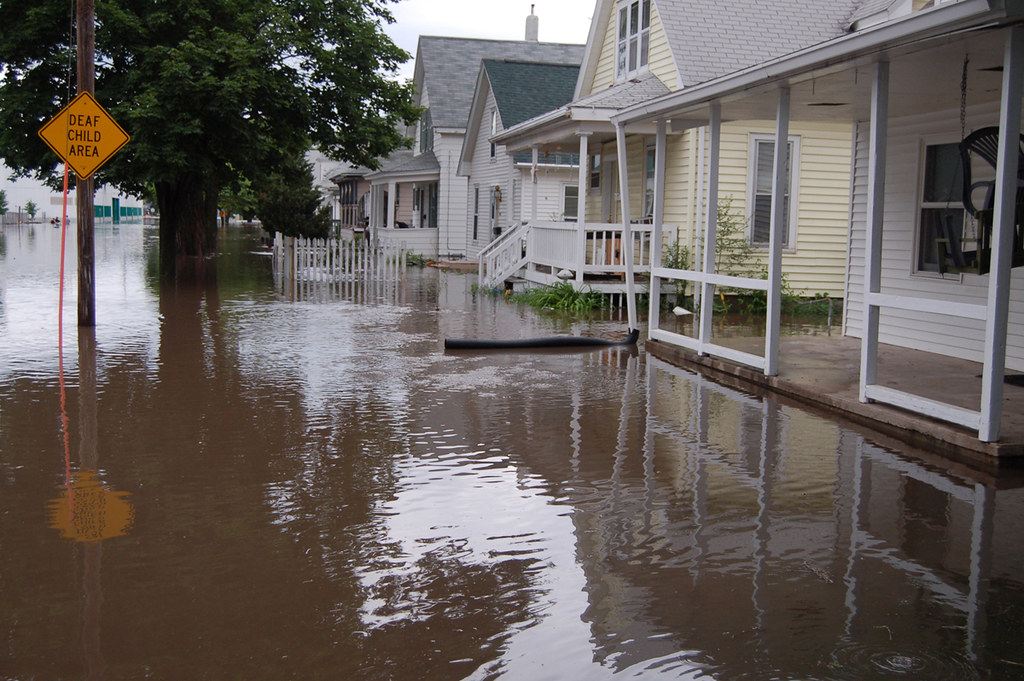
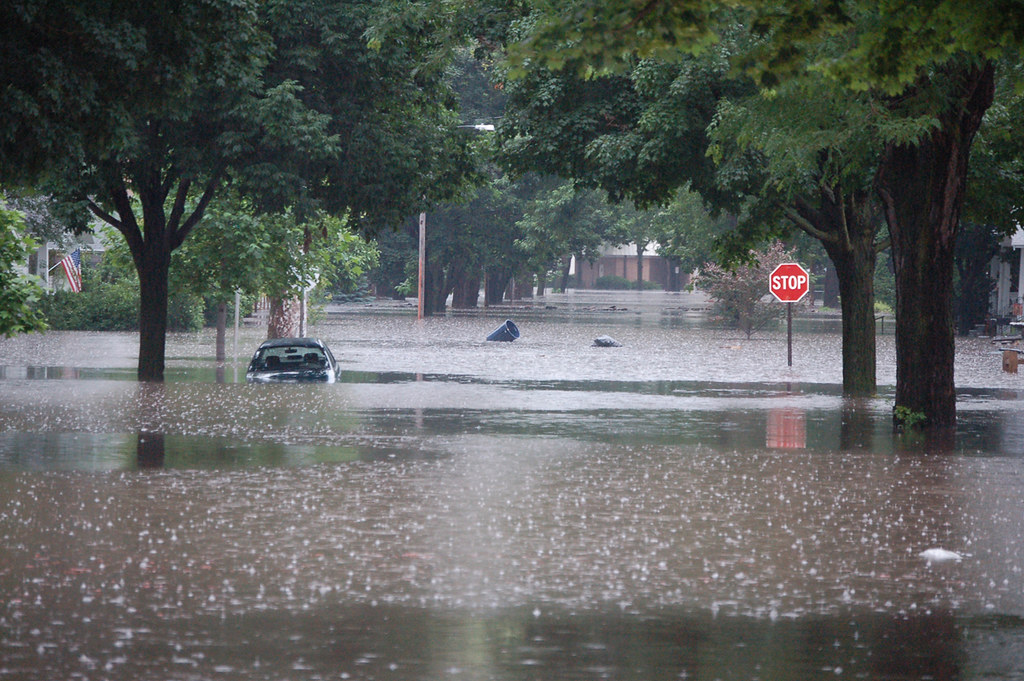
Southern Utah's desert terrain is especially vulnerable to flash flooding. When storms move through the region, hardpacked soil and rocky canyon channels funnel water rapidly into low-lying areas — including residential streets, driveways, garages, and crawl spaces. The October 11 event was no exception. Within minutes of the warning being issued, communities across the Hurricane Valley area were seeing fast-moving water, debris intrusion, and standing water in structures.
DRT crews mobilized immediately, responding to calls from homeowners and business owners who had water entering their properties in real time.
What to Do After a Flash Flood Affects Your Property
Whether you were impacted by the October 2026 event or a future storm, the steps below are the same. Acting quickly is the single most important factor in limiting long-term damage and reducing restoration costs.
- Prioritize your family's safety first. Do not re-enter your home until floodwaters have fully receded and you are confident the structure is stable.
- Document everything before cleanup begins. Take photos and video of all affected areas, damaged belongings, and visible water intrusion points. This documentation is critical for your insurance claim.
- Stay out of structurally compromised areas. Floodwater can weaken flooring, walls, and foundations. When in doubt, wait for a professional assessment.
- Contact your insurance company as soon as possible. Report the loss promptly and ask about your coverage for water damage, contents, and temporary housing if needed.
- Call DRT to begin emergency restoration. The faster water is extracted and drying equipment is in place, the lower the risk of mold growth and structural deterioration. 385-287-6344
How DRT Responded to the October 2026 Flash Flood
DRT provided full-spectrum emergency restoration services to affected property owners across Hurricane, Ivins, Santa Clara, and surrounding areas following the October 2026 event. Our response included:
- Emergency water extraction — removing standing water from affected structures within hours of the flood
- Structural drying — deploying industrial air movers and dehumidifiers to dry walls, subfloors, and framing before mold could take hold
- Board-up and temporary weatherproofing — securing properties where windows, doors, or exterior walls had been compromised
- Mold remediation — identifying and addressing mold growth in cases where water had been present for an extended period before discovery
- Full rebuild coordination — managing the repair and restoration process from initial mitigation through completed reconstruction
- Direct insurance coordination — working alongside homeowners and their insurance adjusters to document damage and streamline the claims process
DRT operates 24 hours a day, 7 days a week, because flood damage does not wait for business hours. Neither do we.
Questions about your restoration? Call us: 385-287-6344
Lessons Learned: What the October 2026 Flood Taught Us — and What You Can Do Before the Next One
Every disaster event teaches us something. Here is what the October 2026 flash flood reinforced for our team and for the communities we serve:
1. Speed of response is everything.
Properties where owners called DRT within the first few hours of flooding consistently saw faster recovery timelines and lower overall restoration costs. Water that sits for 24–48 hours begins to wick into wall cavities, insulation, and framing — dramatically increasing the scope of work required. If you suspect flooding, call immediately even if you are not sure how serious it is.
2. Desert soil does not absorb water the way people expect.
Many Southern Utah residents underestimate how quickly water moves across hardpan desert terrain. Even homes that are not in a designated floodplain can take on water during a high-intensity rain event. Understanding your property's drainage patterns is important — and having DRT's number saved before you need it is even more important.
3. Garages, crawl spaces, and entryways are the most common points of entry.
During the October 2026 event, many of the properties we responded to had water entering through garage door thresholds, crawl space vents, and low-lying entry points on the downhill side of the structure. Knowing where your vulnerabilities are can help you take preventive action before the next storm.
4. Documentation before cleanup saves money.
Homeowners who had photos and video of damage before removal or drying began had significantly smoother insurance claims. Do not move or discard damaged items until you have documented them thoroughly.
5. Mold does not wait.
In Southern Utah's climate, mold can begin developing in wet building materials within 24 to 48 hours. Properties where drying was delayed — for any reason — required more extensive remediation. Rapid mitigation is not just about comfort; it directly affects your health and your home's structural integrity.
6. Having a restoration partner you trust changes the experience.
Homeowners who had a relationship with DRT — or who found us quickly — reported feeling less overwhelmed during a stressful time. We handled communication with insurers, managed the logistics of equipment and crews, and kept property owners informed throughout. Knowing who to call before disaster strikes makes a meaningful difference.
DRT Serves Hurricane, Ivins, Santa Clara & All of Washington County
The Disaster Repair Team is locally based and has responded to flooding events, fire damage, and other property disasters across the St. George area and Washington County for years. We are not a national franchise dispatching crews from out of state — we are your neighbors, and we know this community, this terrain, and the specific challenges Southern Utah properties face.
If you experienced damage during the October 2026 flash flood and have not yet completed your restoration, it is not too late to call us. We can assess your property, identify any ongoing moisture or mold concerns, and help you get fully back to normal.
And if you are reading this before the next storm — save our number now. We hope you never need it. But if you do, we will be ready.
Call DRT anytime, day or night: 385-287-6344
We work directly with your insurance company. 24/7 emergency response. Local team. Proven process.
```Most homeowner policies cover sudden water damage (burst pipes, appliance failures). Natural flooding typically requires separate flood insurance. Either way, DRT documents everything from day one — moisture readings, photos, scope of work — so your claim is supported whether it goes through your standard policy or a flood policy.
Frequently Asked Questions
How quickly does mold grow after flooding?
Will my homeowner's insurance cover flood damage restoration?
What should I NOT do after my home floods?
How quickly can DRT respond?
Do I need to file my insurance claim before calling DRT?
DRT serves Hurricane and surrounding areas. View our full Hurricane service area page for more about our restoration services in your area, or browse all service areas.
Need Help Now?
The Disaster Repair Team provides 24/7 emergency restoration services across Utah.
Request Help Online