Emergency Flood & Water Damage Restoration — Santa Clara
- Recovery resources and next steps
- Insurance claim guidance
- Lessons learned for future prevention
- Professional restoration support
Mold can start growing within 24–48 hours of water exposure. Fast extraction and drying dramatically reduce secondary damage and health risks.
Live Conditions
Real-time weather radar for Utah
How DRT Helped Santa Clara Recover from the October 2026 Flash Flood — A Community Recovery Guide
Covering: Hurricane, Ivins, Santa Clara & surrounding Washington County communities
About This Event
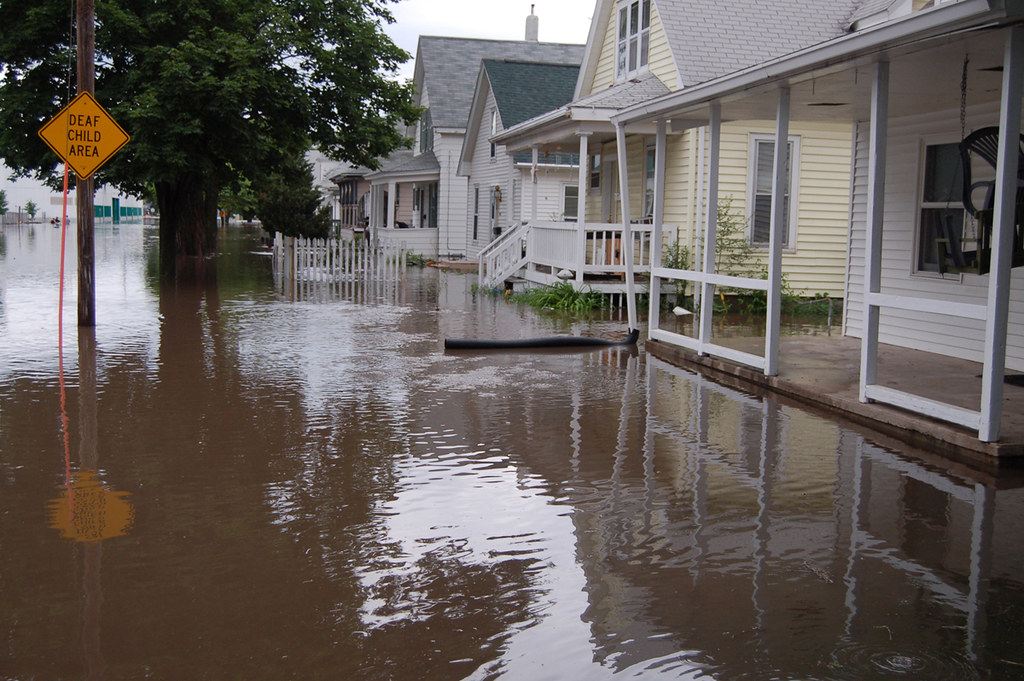
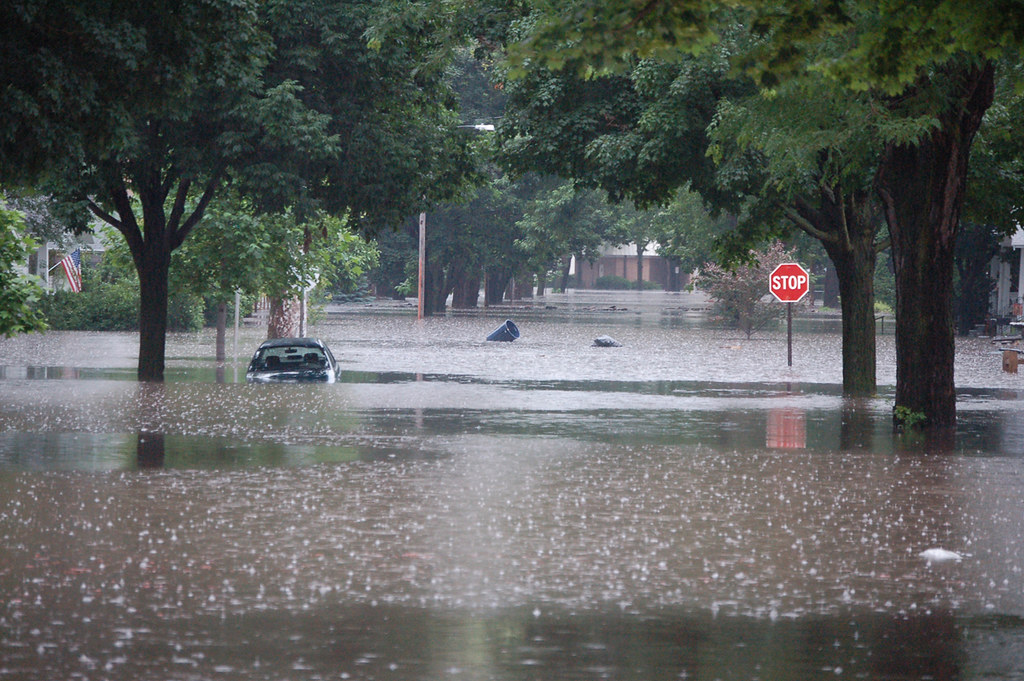
On October 11, 2026, the National Weather Service Salt Lake City issued a Flash Flood Warning for the Santa Clara area from 6:04 PM MDT until 9:15 PM MDT. The storm impacted homes and businesses across Santa Clara, Hurricane, Ivins, and neighboring Washington County communities — bringing fast-moving water, debris, and significant property damage to an area that knows all too well how quickly desert flash floods can escalate.
The Disaster Repair Team (DRT) mobilized immediately and worked alongside affected homeowners and businesses in the days and weeks that followed. This page documents what happened, what we learned, and what you should know if you're dealing with flood damage now — whether from this storm or any future event.
Dealing with flood damage? We've been through this before and we're ready to help.
Call DRT 24/7: 385-287-6344
What Homeowners Did (and Should Do) After a Flash Flood
In the aftermath of the October 2026 flood, the homeowners and business owners who fared best were the ones who acted quickly and systematically. Here's the step-by-step recovery process DRT walked our clients through — and what we recommend to anyone dealing with flood damage:
- Prioritize your family's safety first. Before re-entering any flooded structure, confirm that floodwaters have fully receded, utilities have been shut off, and the building is structurally sound. If in doubt, wait for a professional assessment.
- Document everything before cleanup begins. Photograph and video every affected room, wall, floor, ceiling, and damaged belonging from multiple angles. This documentation proved critical for insurance claims during the October 2026 event.
- Do not enter structurally compromised areas. Flash floods can undermine foundations, saturate wall assemblies, and compromise structural integrity in ways that aren't always visible. When our crews arrived on-site after this storm, several structures required safety assessment before any work could begin.
- Contact your insurance company as early as possible. File your claim promptly and keep a written log of every conversation, including names, dates, and claim numbers.
- Call DRT to begin emergency water extraction and drying immediately. Standing water and hidden moisture left for even 24–48 hours can trigger mold growth and cause secondary structural damage — dramatically increasing repair costs. Speed matters.
Ready to get started? DRT is available around the clock.
Call now: 385-287-6344
How DRT Responded to the October 2026 Flash Flood
When the flash flood warning was issued on October 11, 2026, DRT's emergency response team was already on standby. Within hours of the storm passing, our crews were on the ground in Santa Clara, Hurricane, and Ivins — performing water extraction, documenting structural damage, and beginning the drying process before mold had a chance to take hold.
Our full-scope response included:
- Emergency water extraction — removing standing water from basements, crawl spaces, garages, and living areas
- Structural drying — industrial dehumidification and air movement to fully dry wall cavities, subfloors, and framing
- Board-up and site securing — protecting damaged properties from weather and unauthorized entry
- Mold assessment and remediation — identifying and addressing mold growth in flood-affected materials
- Full rebuild coordination — managing the restoration process from demolition through final repairs, so homeowners didn't have to juggle multiple contractors
- Direct insurance coordination — working side-by-side with adjusters to document scope and keep claims moving
Lessons Learned: What the October 2026 Flood Taught Our Community
Every major weather event leaves behind hard-won knowledge. Here's what the Santa Clara flash flood of October 2026 reinforced for our team and for the families we served:
1. Desert Flash Floods Move Faster Than People Expect
Washington County's terrain — hardpan soil, canyon drainages, and limited vegetation — means water has nowhere to go but downstream, and fast. Several homeowners reported that water entered their properties within minutes of heavy rain beginning. Early warning alerts on your phone are not optional; they're essential.
2. Flood Damage Is Never Just What You Can See
Many of the most expensive repairs DRT performed after this event involved water that had wicked into wall cavities, insulation, and subfloor assemblies — invisible to the naked eye. Homeowners who assumed surface-level cleanup was sufficient often called us back weeks later with active mold problems. Thermal imaging and moisture meters revealed the full picture.
3. Response Time Is the Single Biggest Factor in Final Repair Cost
The difference between a contained, efficient restoration and an extended, expensive one came down almost entirely to how quickly water extraction and drying began. Clients who called DRT within 12–24 hours of flooding had dramatically better outcomes than those who waited days.
4. Insurance Documentation Starts Before You Touch Anything
Claims that moved smoothly were almost always backed by thorough pre-cleanup photo and video documentation. Once items are moved or discarded, that evidence is gone. Document first, clean up second.
5. Having a Trusted Contractor Contact Before a Disaster Changes Everything
Homeowners who already knew DRT's number called within the first hour. Those who didn't spent valuable time searching for help during one of the most stressful moments of their lives. Save our number now, before you need it.
Save it now: 385-287-6344
Is Your Property Fully Recovered? Warning Signs to Watch For
Flood damage doesn't always reveal itself immediately. If your property was affected by the October 2026 storm — or any flooding event — watch for these indicators that hidden moisture damage may still be present:
- Musty or earthy odors, especially in closets, crawl spaces, or near walls
- Visible mold growth (black, green, or white spots) on walls, ceilings, or baseboards
- Warping, buckling, or soft spots in flooring
- Paint bubbling, peeling, or staining on walls
- Increased allergy or respiratory symptoms among occupants
- Efflorescence (white mineral deposits) on concrete or masonry
If you're seeing any of these signs, don't wait. Secondary damage compounds quickly.
Schedule a post-flood assessment with DRT:
385-287-6344
About Disaster Repair Team — Your Local Washington County Restoration Experts
DRT has served Santa Clara, Hurricane, Ivins, St. George, and the broader Washington County area through flash floods, windstorms, fires, and more. We're not a national franchise dispatching crews from out of state — we're your neighbors, and we know this terrain, these neighborhoods, and these insurance markets.
Our services include:
- 24/7 Emergency Water Extraction & Flood Response
- Structural Drying & Moisture Assessment
- Mold Remediation
- Fire, Smoke & Soot Restoration
- Board-Up & Emergency Securing
- Full Rebuild & Reconstruction Coordination
- Direct Insurance Billing & Adjuster Coordination
We've been through this before, and we'll be here the next time too.
Call DRT any time, day or night: 385-287-6344
Most homeowner policies cover sudden water damage (burst pipes, appliance failures). Natural flooding typically requires separate flood insurance. Either way, DRT documents everything from day one — moisture readings, photos, scope of work — so your claim is supported whether it goes through your standard policy or a flood policy.
Frequently Asked Questions
How quickly does mold grow after flooding?
Will my homeowner's insurance cover flood damage restoration?
What should I NOT do after my home floods?
How quickly can DRT respond?
Do I need to file my insurance claim before calling DRT?
DRT serves Santa Clara and surrounding areas. View our full Santa Clara service area page for more about our restoration services in your area, or browse all service areas.
Need Help Now?
The Disaster Repair Team provides 24/7 emergency restoration services across Utah.
Request Help Online