Emergency Flood & Water Damage Restoration — St. George
- Recovery resources and next steps
- Insurance claim guidance
- Lessons learned for future prevention
- Professional restoration support
Mold can start growing within 24–48 hours of water exposure. Fast extraction and drying dramatically reduce secondary damage and health risks.
Live Conditions
Real-time weather radar for Utah
How DRT Helped St. George Recover from the October 2026 Flash Flood Warning
A Recovery Case Study: Hurricane, Ivins, Santa Clara & Surrounding Communities
On October 11, 2026, the National Weather Service Salt Lake City issued a Flash Flood Warning for the St. George area — including Hurricane, Ivins, Santa Clara, and neighboring communities — from 6:04 PM MDT through 9:15 PM MDT. In the hours and days that followed, the Disaster Repair Team (DRT) mobilized to help homeowners and businesses throughout Washington County assess damage, begin restoration, and navigate the insurance process.
This page documents what happened, what we learned, and what steps any property owner should take after a flash flood event in Southern Utah. If you're dealing with flood damage now — from this storm or any other — we're ready to help.
Call DRT 24/7: 385-287-6344
What Happened: The October 2026 Flash Flood Event
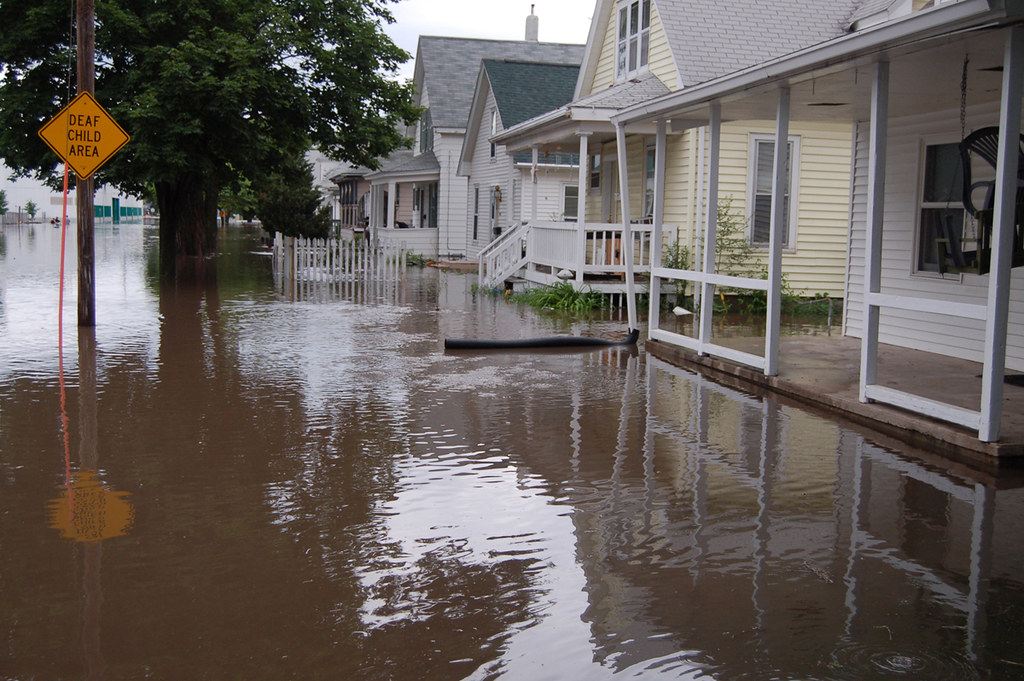
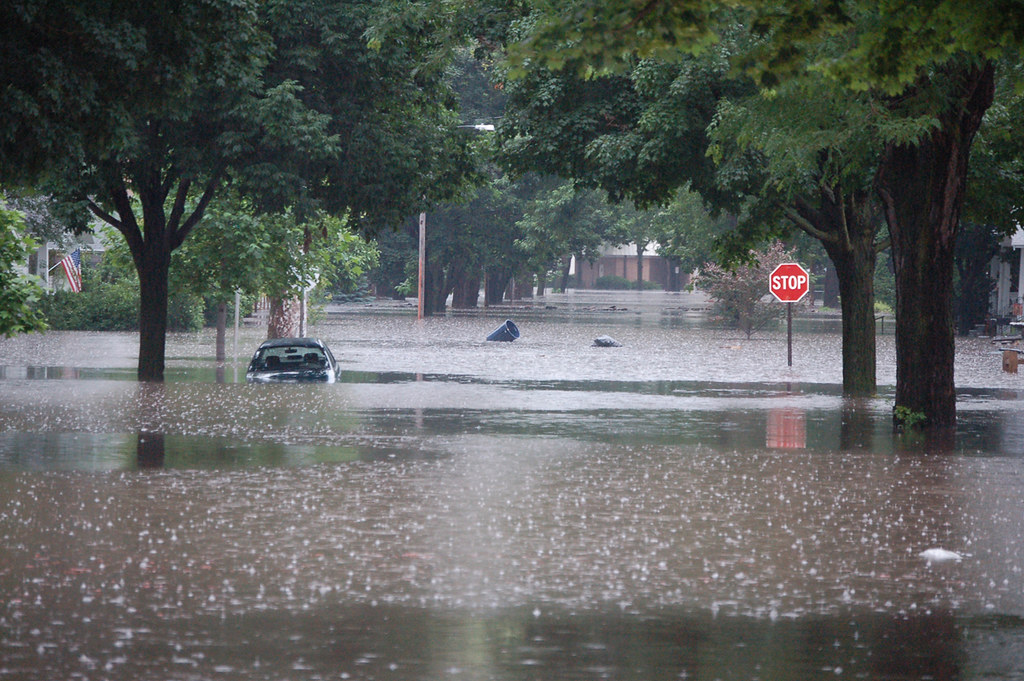
Flash flood events in Washington County are not uncommon — the region's red rock terrain, hardpan soil, and slot canyon drainage systems can funnel enormous volumes of water into residential and commercial areas within minutes. The October 11 event followed that familiar and dangerous pattern. Water moved fast, drainage systems were overwhelmed, and properties in low-lying areas and near wash zones experienced significant intrusion before the warning period had even ended.
DRT crews were on the ground responding to calls the same evening the warning was issued and continued recovery operations in the days that followed.
What to Do After a Flash Flood: A Step-by-Step Recovery Guide
Whether you experienced the October 2026 event or a future flood, these steps apply every time. Taking the right actions in the first 24–72 hours can significantly reduce long-term damage and help your insurance claim go more smoothly.
- Prioritize your family's safety. Do not return to a flooded property until water has receded and authorities have confirmed it is safe to do so.
- Document everything before touching it. Walk through your property and photograph and video all visible damage — floors, walls, ceilings, belongings, the exterior, and any obvious points of water entry. This documentation is critical for your insurance claim.
- Avoid structurally compromised areas. Floodwater can undermine foundations, warp flooring, and weaken walls. If you suspect structural damage, do not enter until a professional has assessed the area.
- Contact your insurance company promptly. Report your claim as soon as possible. Ask about your coverage for water intrusion, personal property loss, and temporary housing if applicable.
- Call DRT to begin restoration. The faster water extraction and structural drying begin, the lower your risk of secondary damage — including mold, which can begin developing within 24–48 hours of a flood event.
Ready to start your recovery? Call DRT now: 385-287-6344
How DRT Helped After the October 2026 Flood
When St. George area residents and business owners called DRT following the October 2026 warning, here is what our teams delivered:
- Emergency water extraction — Removing standing water quickly to minimize saturation of subfloors, drywall, and structural framing
- Industrial structural drying — Deploying commercial-grade air movers and dehumidifiers to dry affected areas thoroughly and prevent mold growth
- Board-up and property securing — Protecting damaged properties from weather exposure and unauthorized entry
- Mold remediation — Identifying and addressing mold that developed in areas where moisture was not caught immediately
- Smoke and soot removal — Where applicable following any fire-related secondary events
- Full rebuild coordination — Managing repairs from initial mitigation through complete reconstruction, so homeowners had one point of contact throughout the process
- Direct insurance coordination — Working with adjusters on behalf of our clients to document damage thoroughly and support the claims process
DRT is a locally based team. We know Washington County's geography, its drainage patterns, and the specific vulnerabilities of homes and businesses built near washes and in flood zones. That local knowledge made a real difference in how quickly and effectively we were able to respond.
Lessons Learned: What the October 2026 Event Taught Us — and Our Clients
Every major weather event leaves behind hard-won knowledge. Here is what stood out from the October 2026 response:
1. Speed Is Everything in Water Damage Mitigation
Properties where owners called DRT within the first few hours consistently had better outcomes than those where water sat for a day or more. Mold, subfloor damage, and drywall deterioration all accelerate rapidly after flooding. Early intervention saves money and shortens the overall recovery timeline.
2. Flash Floods Move Differently Than Rain Events
Many St. George area residents were surprised by how much water entered their homes even during a relatively brief warning window. Flash floods in Southern Utah can deliver high volumes of fast-moving water in 30 minutes or less. Homes that had never flooded before were affected. Preparedness cannot be based solely on prior experience.
3. Documentation Before Cleanup Is Non-Negotiable
Several homeowners who began cleaning up on their own before contacting their insurance company faced challenges documenting the full scope of their damage. Always photograph and video the damage before anything is moved, discarded, or dried out.
4. Insurance Coordination Matters More Than Most People Expect
Navigating a flood claim is not simple. Clients who worked with DRT benefited from having an experienced team communicate directly with adjusters, provide detailed moisture mapping and damage documentation, and advocate for appropriate scope of repair. If your contractor is not experienced in insurance restoration, you may leave money on the table.
5. Know Your Flood Zone Before the Next Storm
Several properties affected in October 2026 were located in or near designated flood zones, but homeowners were unaware of that designation. We encourage all St. George area property owners to review FEMA flood maps, evaluate whether their current insurance includes flood coverage (standard homeowners policies typically do not), and assess whether any site improvements — grading, drainage, barriers — could reduce their vulnerability.
6. A Local Restoration Team Responds Faster
When a regional weather event affects an entire community, national restoration franchises often face logistics challenges getting crews on-site quickly. DRT is based here. Our crews live in Washington County. We were responding to calls within hours of the October 11 warning — not days.
Is Your Property Still Showing Signs of Damage?
Flood damage is not always obvious at first. If your property was affected by the October 2026 event — or any subsequent storm — and you are noticing any of the following, call DRT for an assessment:
- Musty or earthy odors that were not present before the storm
- Warped, buckling, or soft flooring
- Staining or discoloration on walls or ceilings
- Visible mold or mildew growth
- Peeling paint or bubbling drywall
- Persistent humidity or condensation inside the home
These are signs that moisture was not fully addressed — and that secondary damage may be progressing. The earlier it is caught, the less invasive and costly the remediation.
Call DRT for a damage assessment: 385-287-6344
About Disaster Repair Team — Locally Rooted in Washington County
DRT has served the St. George area through flash floods, wind events, and other disasters. We are not a call center. We are not a national franchise dispatching unknown subcontractors. We are a local team with deep roots in this community, experience with the specific challenges of Southern Utah's climate and terrain, and a track record of helping our neighbors recover and rebuild.
We provide full-service emergency restoration and reconstruction, including water extraction, structural drying, mold remediation, board-up, and complete rebuild coordination. We work directly with all major insurance carriers.
If you experienced flooding — in October 2026 or at any time — we are ready to help you assess the damage and move forward.
Available 24/7. Call now: 385-287-6344
```Most homeowner policies cover sudden water damage (burst pipes, appliance failures). Natural flooding typically requires separate flood insurance. Either way, DRT documents everything from day one — moisture readings, photos, scope of work — so your claim is supported whether it goes through your standard policy or a flood policy.
Frequently Asked Questions
How quickly does mold grow after flooding?
Will my homeowner's insurance cover flood damage restoration?
What should I NOT do after my home floods?
How quickly can DRT respond?
Do I need to file my insurance claim before calling DRT?
DRT serves St. George and surrounding areas. View our full St. George service area page for more about our restoration services in your area, or browse all service areas.
Need Help Now?
The Disaster Repair Team provides 24/7 emergency restoration services across Utah.
Request Help Online