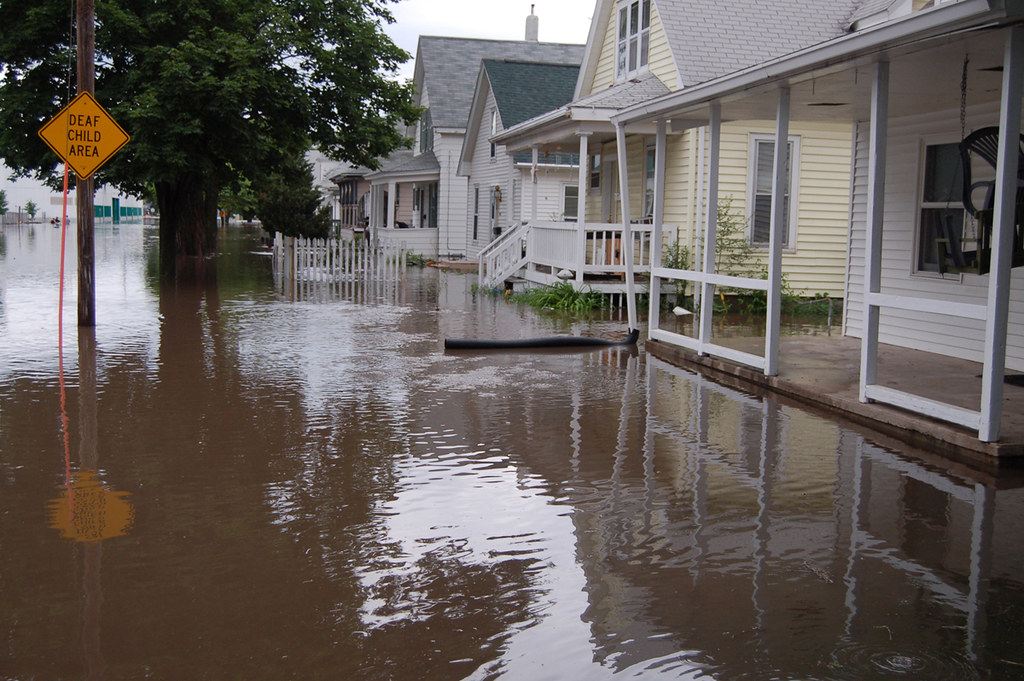
Emergency Flood & Water Damage Restoration — Washington City
- Recovery resources and next steps
- Insurance claim guidance
- Lessons learned for future prevention
- Professional restoration support
Mold can start growing within 24–48 hours of water exposure. Fast extraction and drying dramatically reduce secondary damage and health risks.
Live Conditions
Real-time weather radar for Utah
How DRT Helped Washington City Recover from the October 2026 Flash Flood Warning
A Recovery Case Study & Resource Guide for Hurricane, Ivins, Santa Clara, Washington City & Surrounding Communities
About This Event
On October 11, 2026, the National Weather Service in Salt Lake City issued a Flash Flood Warning for Washington City and surrounding communities — including Hurricane, Ivins, and Santa Clara — from 6:04 PM MDT through 9:15 PM MDT. In the hours and days that followed, the Disaster Repair Team (DRT) responded to homes and businesses across the affected area, helping families begin the road to recovery.
This page documents what happened, what property owners did right, what they wish they'd known sooner, and how DRT responded. If you're dealing with flood damage now — whether from this event or another — this guide is for you.
Need help today? Call DRT 24/7: 385-287-6344
What Property Owners Did (and Should Do) After the Flooding
In the aftermath of the October 2026 flash flood, the homeowners and business owners who fared best were those who acted quickly and systematically. Here's the checklist DRT recommends — and that proved essential during this event:
- Prioritized family safety first — Before assessing any damage, residents made sure all family members were safe and accounted for, and avoided returning to properties until floodwaters had fully receded.
- Documented all damage with photos and video — Thorough documentation before any cleanup began proved critical for insurance claims. Homeowners who photographed every affected room, wall, floor, and belonging had smoother claims processes.
- Avoided structurally compromised areas — Flash flooding can weaken foundations, floors, and walls in ways that aren't immediately visible. Residents who waited for a professional assessment before re-entering damaged sections protected themselves from secondary injuries.
- Contacted their insurance company promptly — Early contact with insurers helped set the claims process in motion faster. DRT's team worked directly with adjusters on behalf of clients throughout the recovery.
- Called DRT for emergency water extraction and drying — The faster standing water was removed and structural drying began, the less secondary damage — especially mold — property owners faced. Many clients who called within the first 24 hours avoided significant mold remediation costs.
How DRT Responded
DRT deployed crews across Washington City, Hurricane, Ivins, and Santa Clara in the hours following the October 2026 warning. Our team provided:
- Emergency water extraction — Removing standing water quickly to limit structural saturation
- Structural drying — Industrial dehumidifiers and air movers to dry walls, subfloors, and framing
- Mold remediation — Addressing mold growth that began within 48–72 hours of flooding in some properties
- Board-up and temporary weatherproofing — Securing damaged properties against further exposure
- Smoke and soot removal — Where flooding intersected with electrical or fire damage
- Full rebuild coordination — Managing repairs from initial assessment through final restoration
- Direct insurance billing — Working with adjusters so clients could focus on their families, not paperwork
DRT has responded to flooding events across Washington County repeatedly over the years. This wasn't our first flash flood in this corridor — and our crews knew the terrain, the drainage patterns, and the types of construction most vulnerable in the area.
Lessons Learned: What the October 2026 Flood Taught Us
Every disaster recovery teaches us something. Here's what stood out from this event:
- Speed matters more than most people realize. Mold can begin colonizing wet materials within 48 hours. Property owners who waited several days to call — hoping the damage "wasn't that bad" — frequently faced far more extensive remediation than those who called immediately.
- Southern Utah flash floods move faster than expected. The canyon and wash geography around Washington City, Hurricane, and Ivins means water levels can rise dramatically in minutes. Several properties that appeared unaffected at 7 PM had significant water intrusion by 8 PM.
- Documentation before cleanup is non-negotiable. Homeowners who began cleaning up before documenting sometimes found their insurance claims complicated. Photograph everything first — then start the cleanup process.
- Not all "flood damage" is covered the same way. Flash flooding, storm surge, and water backup from drains are often treated differently by insurance policies. DRT's experience working with local adjusters helped clients understand what was and wasn't covered — and how to document claims appropriately.
- Community networks activate fast. Neighbors helping neighbors was a consistent theme across all affected communities. DRT coordinated with community contacts to reach households that hadn't yet called for help.
- Having a local restoration team on speed dial matters. Homeowners who had DRT's number saved — or found this page — got crews on-site faster than those who spent hours researching options after the fact.
About DRT — Washington County's Local Restoration Team
Disaster Repair Team is a locally owned and operated restoration company serving Washington City, Hurricane, Ivins, Santa Clara, St. George, and all of Washington County. We've responded to flash floods, wildfires, winter storms, and other disasters across Southern Utah — and we know this community because we're part of it.
When the October 2026 flash flood warning was issued, DRT was already monitoring conditions and positioning crews. That's not coincidence — it's the result of years of experience responding to events in this exact geography.
We provide 24/7 emergency restoration services and work directly with your insurance company from first call through final walkthrough.
Is Your Property Still Showing Signs of Flood Damage?
If your home or business experienced flooding during the October 2026 event — or any other — and you're still noticing musty odors, warped flooring, staining, or other signs of moisture damage, it's not too late to call. Hidden moisture and developing mold can continue causing damage long after the water is gone.
Call DRT now for a professional assessment: 385-287-6344
We're available 24 hours a day, 7 days a week. We serve Washington City, Hurricane, Ivins, Santa Clara, St. George, and surrounding communities throughout Washington County, Utah.
```Most homeowner policies cover sudden water damage (burst pipes, appliance failures). Natural flooding typically requires separate flood insurance. Either way, DRT documents everything from day one — moisture readings, photos, scope of work — so your claim is supported whether it goes through your standard policy or a flood policy.
Frequently Asked Questions
How quickly does mold grow after flooding?
Will my homeowner's insurance cover flood damage restoration?
What should I NOT do after my home floods?
How quickly can DRT respond?
Do I need to file my insurance claim before calling DRT?
DRT serves Washington City and surrounding areas. View our full Washington City service area page for more about our restoration services in your area, or browse all service areas.
Need Help Now?
The Disaster Repair Team provides 24/7 emergency restoration services across Utah.
Request Help Online