Emergency Flood & Water Damage Restoration — Hurricane
- Recovery resources and next steps
- Insurance claim guidance
- Lessons learned for future prevention
- Professional restoration support
Follow local emergency guidance. Stay out of unsafe areas and call emergency services if there is immediate danger.
Live Conditions
Real-time weather radar for Utah
How DRT Helped Hurricane, Ivins, Santa Clara & Surrounding Communities Recover from the October 2026 Flash Flood Warning
A Case Study & Recovery Resource from Disaster Repair Team
What Happened: The October 2026 Flash Flood Event
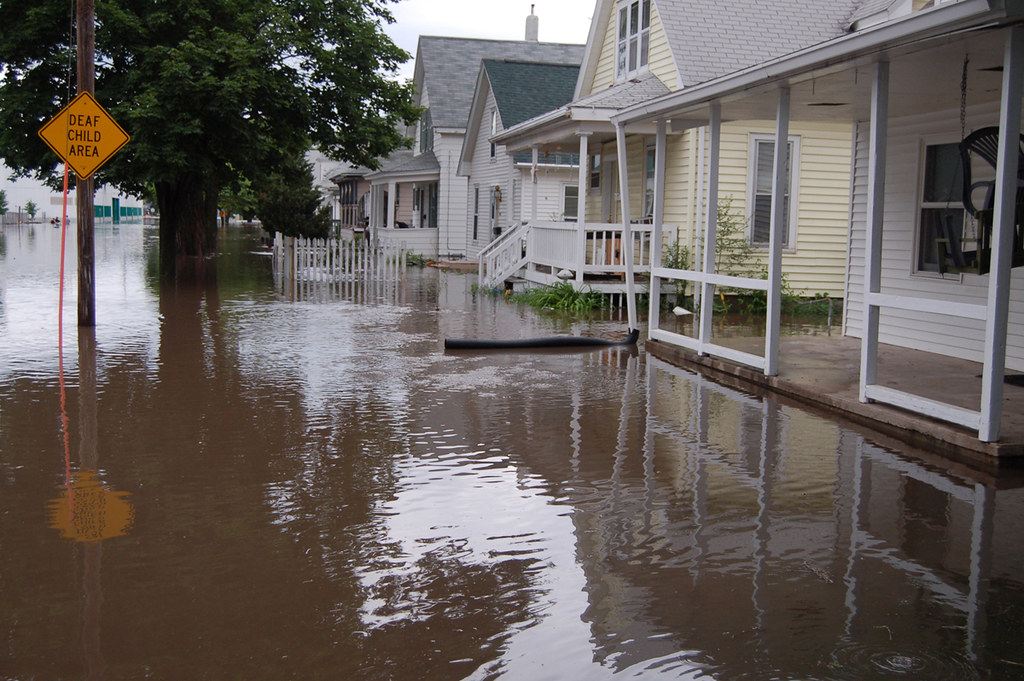
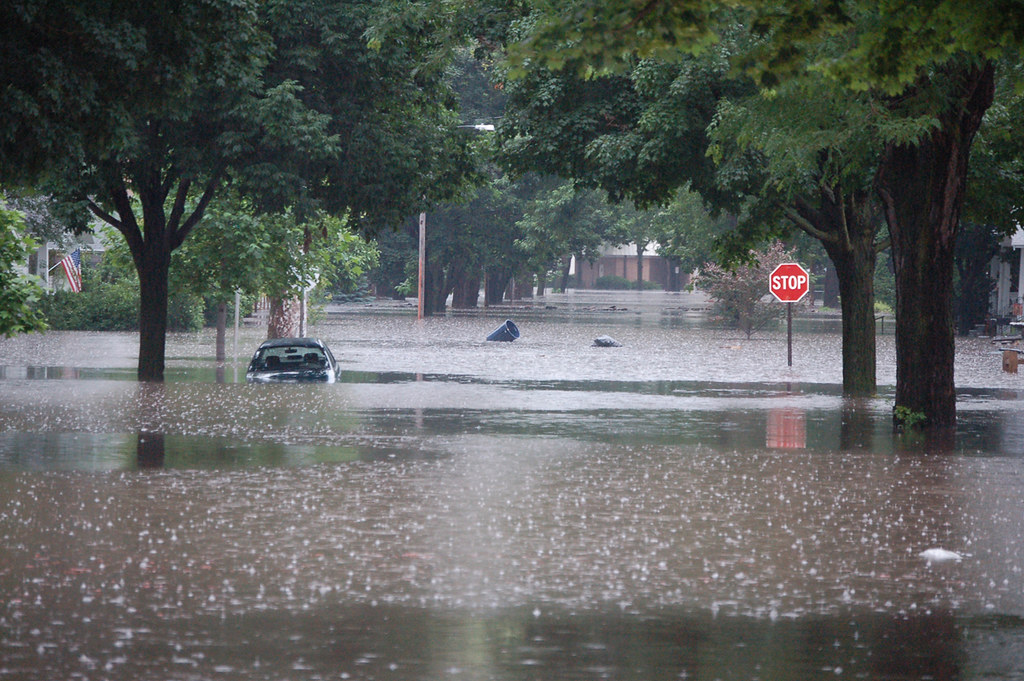
On October 21, 2026, the National Weather Service Salt Lake City issued a Flash Flood Warning for Hurricane, Ivins, Santa Clara, and surrounding Washington County communities — effective from 8:15 AM MDT through 11:15 AM MDT. The event impacted homes, businesses, and infrastructure across the area, leaving many property owners scrambling to understand their next steps.
The Disaster Repair Team (DRT) mobilized quickly, responding to calls throughout the affected region and helping dozens of families and business owners navigate the recovery process. This page documents what happened, what we learned, and how we helped — so that if another flooding event affects Southern Utah, our community is better prepared.
Experienced a flood event and still dealing with the aftermath? We're here.
Call DRT now: 385-287-6344
What Property Owners Were Advised to Do After the Flooding
In the hours and days following the October 2026 flash flood, we guided our clients through the same critical steps that apply to any flood recovery situation. If you are dealing with flood damage now — from this or any event — these steps still apply:
- Prioritize your family's safety first. Do not re-enter your home or business until it has been confirmed safe. Floodwater can destabilize structures, introduce electrical hazards, and carry contaminants.
- Document all damage thoroughly with photos and video before anything is moved, cleaned, or discarded. This documentation was essential for our clients' insurance claims.
- Do not enter structurally compromised areas. If walls, floors, or ceilings showed signs of buckling, sagging, or shifting, we advised clients to wait for a professional assessment.
- Contact your insurance company as soon as possible. Early notification helped our clients move through the claims process faster. DRT worked directly with adjusters on behalf of homeowners throughout this event.
- Call DRT for emergency restoration assistance. The faster water extraction begins, the less secondary damage — including mold — occurs. Time is critical after any flooding event.
385-287-6344
How DRT Responded
DRT provided full-service emergency restoration throughout the affected communities. Our response during the October 2026 flooding event included:
- 24/7 emergency water extraction and removal
- Structural drying using industrial-grade equipment
- Board-up and property securing services
- Mold remediation and prevention treatments
- Smoke and soot removal where secondary fire damage was present
- Full rebuild coordination from initial damage through complete restoration
- Direct insurance company coordination to reduce stress on homeowners
We were on the ground in Hurricane, Ivins, Santa Clara, and neighboring communities — and we know the terrain, the soil conditions, and the drainage challenges that make flash flooding in this region uniquely destructive.
Lessons Learned from the October 2026 Flash Flood
Having worked through this event alongside our community, DRT identified several patterns that helped — and hurt — recovery outcomes. Here is what we learned:
- Speed matters more than almost anything else. Properties where water extraction began within the first few hours experienced significantly less structural damage and mold growth than those where remediation was delayed even by a day or two.
- Documentation saved claims. Homeowners who photographed and video-recorded damage before cleanup began were in a far stronger position with their insurance companies than those who cleaned first and documented later.
- DIY drying is rarely sufficient. Many property owners used household fans and dehumidifiers in an attempt to dry their homes independently. In most cases, moisture remained trapped in walls, subfloors, and insulation — leading to mold problems weeks later. Professional moisture mapping is essential.
- Insurance coordination is a process, not a single call. Properties that benefited most from our services were those where DRT was involved early and could communicate directly with adjusters — reducing delays and ensuring that all damage was properly documented and scoped.
- Southern Utah's flash flood risk is year-round. This event was a reminder that our region's geography — canyon terrain, hardpan soil, and limited absorption — makes flash flooding possible outside of traditional "storm season." Preparedness should not be seasonal.
- Having a restoration team's number saved before disaster strikes makes a difference. Clients who already knew DRT called faster. Faster calls meant faster response. Faster response meant better outcomes.
Still Dealing with Flood Damage? DRT Has Been Through This Before.
Whether you are recovering from the October 2026 event or a more recent flooding situation, DRT brings the same experienced, local response to every call. We have restored homes and businesses across Hurricane, Ivins, Santa Clara, Washington City, St. George, and throughout Washington County — and we understand what Southern Utah property owners face after a flash flood.
We provide 24/7 emergency restoration services including water extraction, structural drying, board-up, mold remediation, and full rebuild coordination. We work directly with your insurance company so you don't have to navigate the process alone.
Ready to talk to a local restoration expert?
Call DRT: 385-287-6344
Available 24 hours a day, 7 days a week — because flooding doesn't keep business hours, and neither do we.
Coverage and claim requirements depend on your policy and the cause of damage. Contact your insurer to confirm coverage before authorizing work. Keep photos and receipts when safe to do so.
Frequently Asked Questions
What should I do first?
Does insurance cover restoration?
How soon can restoration begin?
DRT serves Hurricane and surrounding areas. View our full Hurricane service area page for more about our restoration services in your area, or browse all service areas.
Need Help Now?
The Disaster Repair Team provides 24/7 emergency restoration services across Utah.
Request Help Online