Emergency Flood & Water Damage Restoration — Santa Clara
- Recovery resources and next steps
- Insurance claim guidance
- Lessons learned for future prevention
- Professional restoration support
Follow local emergency guidance. Stay out of unsafe areas and call emergency services if there is immediate danger.
Live Conditions
Real-time weather radar for Utah
How DRT Helped Santa Clara Recover from the October 2026 Flash Flood Warning
A Community Recovery Case Study — Hurricane, Ivins, Santa Clara & Surrounding Areas
On October 21, 2026, the National Weather Service Salt Lake City issued a Flash Flood Warning for Santa Clara and surrounding Washington County communities — including Hurricane and Ivins — effective from 8:15 AM MDT through 11:15 AM MDT. When the waters rose, local homes and businesses were caught off guard. The Disaster Repair Team (DRT) responded immediately and worked alongside affected residents through every stage of cleanup, restoration, and rebuild.
This page serves as a permanent resource for anyone in the region who has experienced flooding — whether from this event or any future storm. If you're dealing with flood damage right now, we've been through this before and we're ready to help.
Call DRT 24/7: 385-287-6344
What Happened: The October 2026 Flash Flood Event
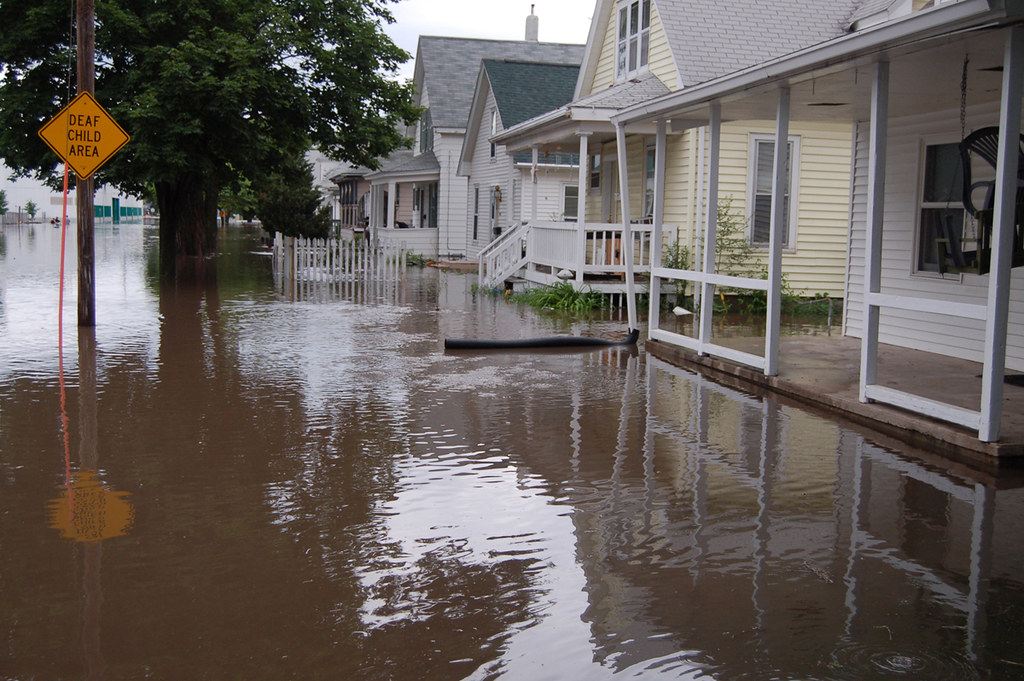
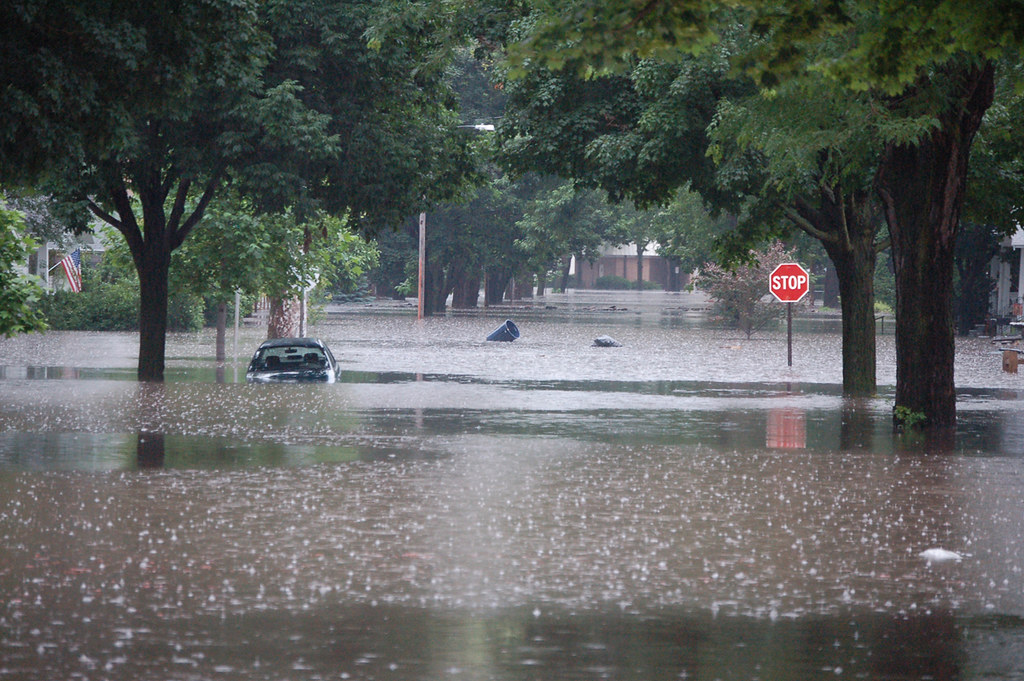
The flash flood warning caught many Santa Clara and Hurricane-area residents during morning hours, leaving little time to prepare. Within the three-hour warning window, low-lying neighborhoods experienced rapid water intrusion, compromised drainage systems, and damage to foundations, flooring, drywall, and personal property. DRT crews were deployed across the affected zone and began water extraction and structural assessments the same day.
What Homeowners and Businesses Did in the Aftermath
In the hours and days following the flood, the residents who fared best followed a clear set of steps. Here's what worked:
- Prioritized family safety first — Before assessing property damage, affected families confirmed everyone was out of harm's way and avoided re-entering structurally compromised areas until cleared by a professional.
- Documented all damage thoroughly — Photos and video recorded before any cleanup began became critical evidence for insurance claims. The more detailed the documentation, the smoother the claims process.
- Avoided structurally compromised areas — Saturated walls, buckled flooring, and undermined foundations posed serious safety risks. Residents waited for a professional assessment before re-entering.
- Contacted their insurance companies promptly — Early notification to insurers helped expedite claim timelines. DRT worked directly with adjusters on behalf of clients throughout this event.
- Called DRT for emergency restoration — Fast response was essential. The sooner water extraction and structural drying began, the lower the risk of long-term mold growth and structural deterioration.
Dealing with flooding now? The same steps apply. Call DRT: 385-287-6344
How DRT Responded: Services Deployed
During and after the October 2026 flood event, DRT provided the full spectrum of emergency restoration services to impacted homes and businesses across Santa Clara, Hurricane, Ivins, and neighboring communities:
- Water extraction — Industrial-grade pumps and vacuums removed standing water quickly to minimize structural saturation.
- Structural drying — Commercial dehumidifiers and air movers were placed throughout affected structures to bring moisture levels back to safe baselines.
- Board-up and securing — Where doors, windows, or structural elements were compromised, DRT secured properties against further damage or unauthorized entry.
- Mold remediation — Flood events create ideal mold conditions. DRT conducted proactive inspections and remediation to prevent secondary damage weeks after the initial flooding.
- Smoke and soot removal — In cases where electrical damage or secondary fires occurred, DRT addressed all related cleanup needs.
- Full rebuild coordination — From flooring and drywall to cabinetry and structural repairs, DRT managed the complete restoration process so homeowners didn't have to juggle multiple contractors.
- Direct insurance coordination — DRT worked directly with insurance carriers, providing documentation, estimates, and ongoing communication to streamline the claims process for clients.
Lessons Learned: What the October 2026 Flood Taught Our Community
Every disaster leaves behind knowledge. Here's what the Santa Clara and Hurricane area communities took away from the October 2026 event — and what every Washington County homeowner or business owner should know going forward:
- Flash floods move faster than expected. A three-hour warning window sounds like enough time — it often isn't. Having an emergency plan in place before storm season is essential. Know your evacuation routes, know where your shutoffs are, and know who to call.
- Speed of response determines the scope of damage. Properties where water extraction began within the first 24–48 hours saw dramatically lower rates of mold growth and structural damage compared to those where response was delayed. Every hour matters.
- Documentation is non-negotiable. Homeowners who captured detailed photo and video evidence before cleanup began had measurably better insurance outcomes. Start documenting before you move anything.
- DIY drying is rarely enough. Consumer fans and dehumidifiers cannot match the output of commercial restoration equipment. Several homeowners who attempted DIY drying later required mold remediation that could have been avoided with professional intervention from the start.
- Insurance works better with an advocate. Homeowners who had a restoration company communicating directly with their insurer experienced faster claim approvals and fewer disputes. DRT handled this coordination for clients throughout the recovery process.
- Southern Utah's desert climate is deceptive. The region's flash flood risk is frequently underestimated because of its arid character. Hardpan soil, canyon topography, and intense desert rain events create conditions where flooding can occur rapidly and without warning — even in areas that rarely see standing water.
- Having a trusted local contractor on call changes everything. Residents who had to research contractors while actively flooding lost critical response time. DRT is local, available 24/7, and already familiar with the soil conditions, building styles, and insurance landscape specific to Washington County.
About DRT: Your Local Restoration Team
The Disaster Repair Team is a locally operated restoration company serving Santa Clara, Hurricane, Ivins, St. George, and the broader Washington County area. We've responded to flash floods, structural fires, sewage backups, and storm damage across southern Utah — and we bring that hands-on regional experience to every job.
We're not a national franchise dispatching crews from out of state. When you call DRT, you're reaching a team that knows this community, understands its unique flood risks, and is ready to respond — day or night.
We provide 24/7 emergency restoration services and work directly with your insurance company from first call through final rebuild.
If your home or business has been affected by flooding — whether from the October 2026 event or any other — call DRT now:
Available 24 hours a day, 7 days a week. No damage too large or too small.
Coverage and claim requirements depend on your policy and the cause of damage. Contact your insurer to confirm coverage before authorizing work. Keep photos and receipts when safe to do so.
Frequently Asked Questions
What should I do first?
Does insurance cover restoration?
How soon can restoration begin?
DRT serves Santa Clara and surrounding areas. View our full Santa Clara service area page for more about our restoration services in your area, or browse all service areas.
Need Help Now?
The Disaster Repair Team provides 24/7 emergency restoration services across Utah.
Request Help Online