Emergency Flood & Water Damage Restoration — Santa Clara
- Recovery resources and next steps
- Insurance claim guidance
- Lessons learned for future prevention
- Professional restoration support
Follow local emergency guidance. Stay out of unsafe areas and call emergency services if there is immediate danger.
Live Conditions
Real-time weather radar for Utah
How DRT Helped Santa Clara Recover from the October 2026 Flash Flood — A Community Recovery Guide
Flash Flood Warning: October 21, 2026, 1:04PM–4:00PM MDT | NWS Salt Lake City, UT | Areas Affected: Santa Clara, Hurricane, Ivins & surrounding communities
When the National Weather Service issued a Flash Flood Warning for Washington County on October 21, 2026, the Disaster Repair Team (DRT) was already mobilized and ready. In the hours and days that followed, our crews worked alongside homeowners and business owners across Santa Clara, Hurricane, Ivins, and neighboring communities to assess damage, extract standing water, and begin the restoration process. This page serves as a lasting resource for anyone affected by that event — or by any future flooding in the area.
If your home or business is dealing with flood damage right now, don't wait. Our team is available 24/7.
Call now: 385-287-6344
What Happened: The October 2026 Flash Flood Event
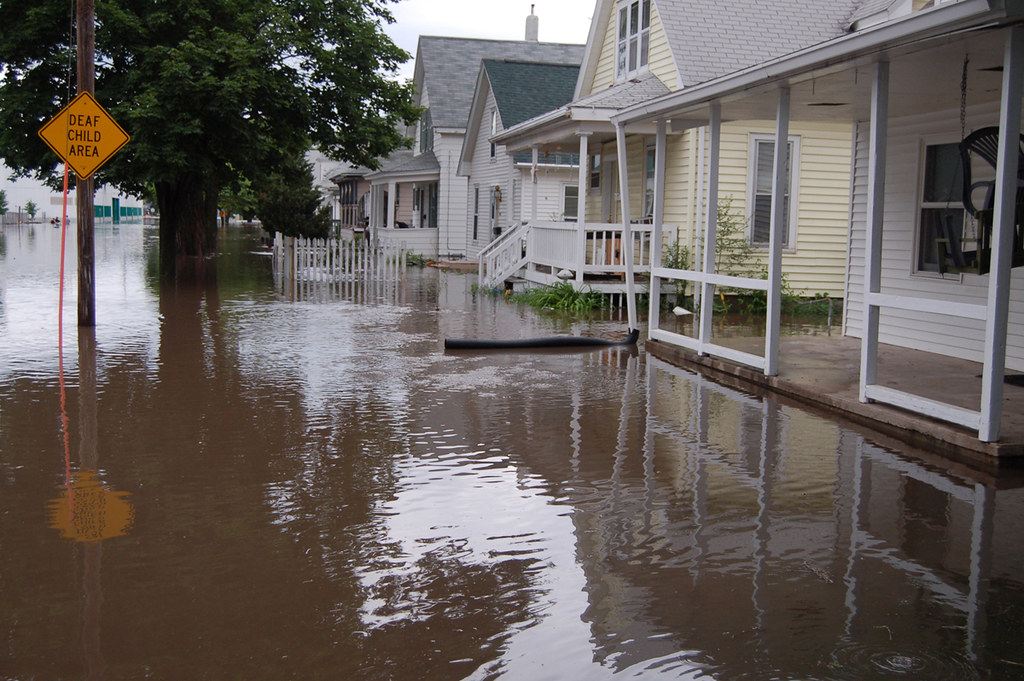
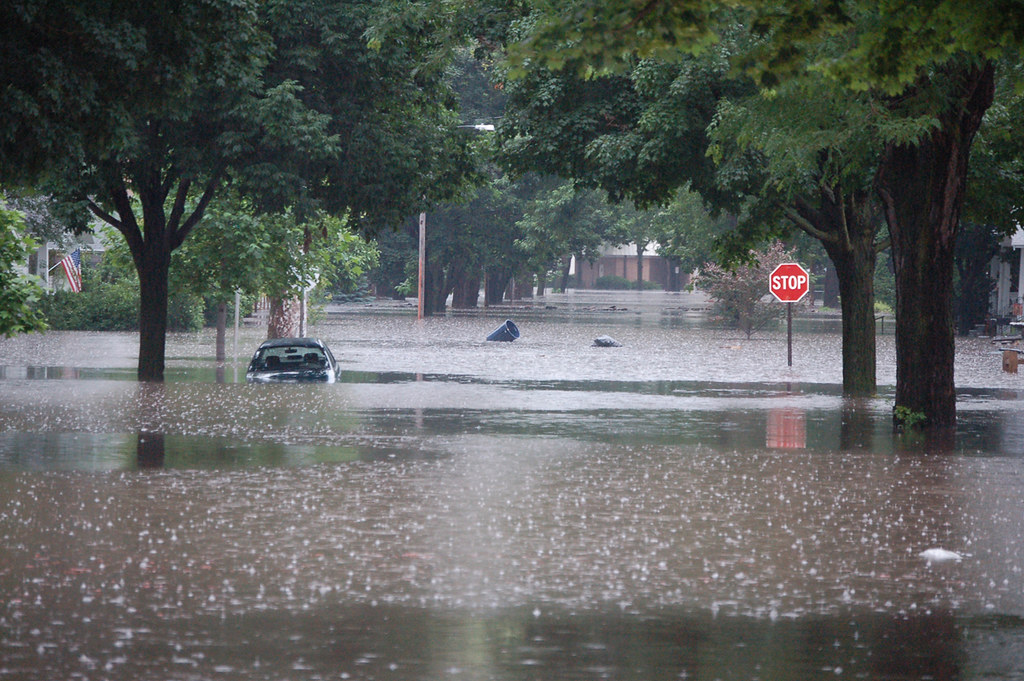
On the afternoon of October 21, 2026, a rapidly developing storm system prompted the NWS Salt Lake City office to issue a Flash Flood Warning covering much of the greater Santa Clara and Hurricane Valley area. Within hours, low-lying neighborhoods, washes, and commercial corridors experienced significant water intrusion. Residents who acted quickly — documenting damage, contacting their insurers, and calling DRT — were able to minimize long-term structural harm and mold risk. Those who waited often faced costlier repairs and longer recovery timelines.
What to Do After a Flash Flood: The Steps That Made a Difference
Based on our experience responding to the October 2026 event, here is the same checklist we shared with affected residents — still relevant for any flooding situation:
- Prioritize your family's safety first. Do not re-enter your home until local authorities have confirmed it is safe to do so.
- Document all damage thoroughly. Take photos and video of every affected room, wall, floor, and belonging before any cleanup begins. This documentation was critical for insurance claims after the October event.
- Avoid structurally compromised areas. Flood water can weaken floors, walls, and foundations in ways that aren't immediately visible.
- Contact your insurance company as soon as possible. Early notification helped many of our October 2026 clients move through the claims process faster.
- Call DRT for professional water extraction and restoration. The sooner standing water is removed, the lower the risk of mold growth and structural damage. We worked directly with insurers on behalf of our clients throughout the October recovery.
Need help now? Call: 385-287-6344
How DRT Responded: Our Services During and After the October 2026 Flood
DRT provided comprehensive emergency and restoration services to families and businesses affected by the October 2026 flash flood, including:
- 24/7 Emergency Water Extraction — Our crews were on-site within hours of the warning lifting, removing standing water from homes and commercial properties across Santa Clara, Hurricane, and Ivins.
- Structural Drying — Industrial-grade drying equipment was deployed to walls, subfloors, and crawl spaces to prevent long-term moisture damage.
- Board-Up & Tarping — Properties with compromised windows, doors, or roofing were secured immediately to prevent further damage or intrusion.
- Mold Remediation — In cases where response was delayed or moisture penetrated deeply, our certified remediation team addressed mold growth safely and thoroughly.
- Smoke & Soot Removal — For properties where flood damage was accompanied by electrical or fire incidents.
- Full Rebuild Coordination — From drywall and flooring replacement to complete structural rebuilds, DRT managed the restoration process end-to-end.
- Direct Insurance Coordination — We worked directly with adjusters and carriers, reducing the administrative burden on homeowners during an already stressful time.
Lessons Learned: What Santa Clara Residents Told Us After the October 2026 Flood
After the recovery work was complete, we sat down with clients and compiled the most common takeaways from the October 2026 event. These lessons can help you prepare — and respond more effectively — if flooding strikes again.
1. Speed Is Everything
Mold can begin developing within 24–48 hours of water intrusion. Clients who called DRT within the first few hours of discovering damage consistently saw better outcomes — lower remediation costs, less structural loss, and faster insurance resolution — than those who waited even a day or two.
2. Document Before You Clean
Several homeowners began mopping, moving furniture, or discarding damaged items before photographing the scene. While understandable, this created gaps in their insurance documentation. Always photograph and video everything first.
3. Know Where Your Water Shutoffs Are
In some cases, flooding was compounded by broken supply lines or backed-up plumbing. Knowing where your main water shutoff is located — and being able to access it quickly — helped limit damage in several properties.
4. Don't Assume Flood Damage Is Covered Automatically
Many residents discovered during the October 2026 claims process that standard homeowners insurance does not cover flood damage. If you live in a flood-prone area of Washington County, review your policy now and consider supplemental flood coverage.
5. Have a Trusted Restoration Partner Ready Before You Need One
Homeowners who had DRT's number saved — or who had worked with us before — were able to get crews on-site faster than those who spent time researching options during the emergency. Save our number now: 385-287-6344.
6. Mold Isn't Always Visible
Some of the most significant mold remediation cases we handled after October 2026 involved properties that looked dry on the surface. Moisture had wicked into wall cavities, insulation, and subfloors. Professional moisture mapping — not just a visual inspection — is essential after any flood event.
7. Your Neighbors May Need Help Too
Several of our October 2026 referrals came from neighbors alerting each other. If your community experiences flooding, check on those around you — especially elderly residents or renters who may not know where to turn.
DRT Is the Local Team That's Been Through This Before
The October 2026 flash flood was not the first major weather event DRT responded to in Washington County — and it won't be the last. Our team lives and works in this region. We know the washes, the flood-prone neighborhoods, and the building characteristics common to homes in Santa Clara, Hurricane, Ivins, and beyond. When the next event hits, we'll be ready again.
If you experienced damage during the October 2026 flood and are still dealing with unresolved moisture issues, mold, or structural concerns, it's not too late to call us. And if you're preparing your home or business for future storms, we're happy to walk through flood preparedness steps with you.
Call DRT anytime — 24/7 emergency response: 385-287-6344
We work directly with your insurance company and serve all of Washington County, including Santa Clara, Hurricane, Ivins, St. George, Washington City, and surrounding communities.
Coverage and claim requirements depend on your policy and the cause of damage. Contact your insurer to confirm coverage before authorizing work. Keep photos and receipts when safe to do so.
Frequently Asked Questions
What should I do first?
Does insurance cover restoration?
How soon can restoration begin?
DRT serves Santa Clara and surrounding areas. View our full Santa Clara service area page for more about our restoration services in your area, or browse all service areas.
Need Help Now?
The Disaster Repair Team provides 24/7 emergency restoration services across Utah.
Request Help Online