Emergency Flood & Water Damage Restoration — St. George
- Recovery resources and next steps
- Insurance claim guidance
- Lessons learned for future prevention
- Professional restoration support
Follow local emergency guidance. Stay out of unsafe areas and call emergency services if there is immediate danger.
Live Conditions
Real-time weather radar for Utah
How DRT Helped St. George Recover from the October 2026 Flash Flood Warning
A Recovery Case Study & Resource Guide for Hurricane, Ivins, Santa Clara, and the Greater St. George Area
About This Event
On October 22, 2026, the National Weather Service Salt Lake City issued a Flash Flood Warning for the St. George area beginning at 7:16 AM MDT. By 10:15 AM MDT, the warning had lifted — but for many homeowners and business owners across St. George, Hurricane, Ivins, and Santa Clara, the real work was just beginning.
The Disaster Repair Team (DRT) responded immediately and worked alongside affected residents throughout the recovery process. This page documents what happened, what we learned, and what you should know if your property was impacted — or if you want to be better prepared for the next event.
If you are still dealing with damage from this flood, we are here to help. Call us now: 385-287-6344
What Homeowners and Businesses Faced
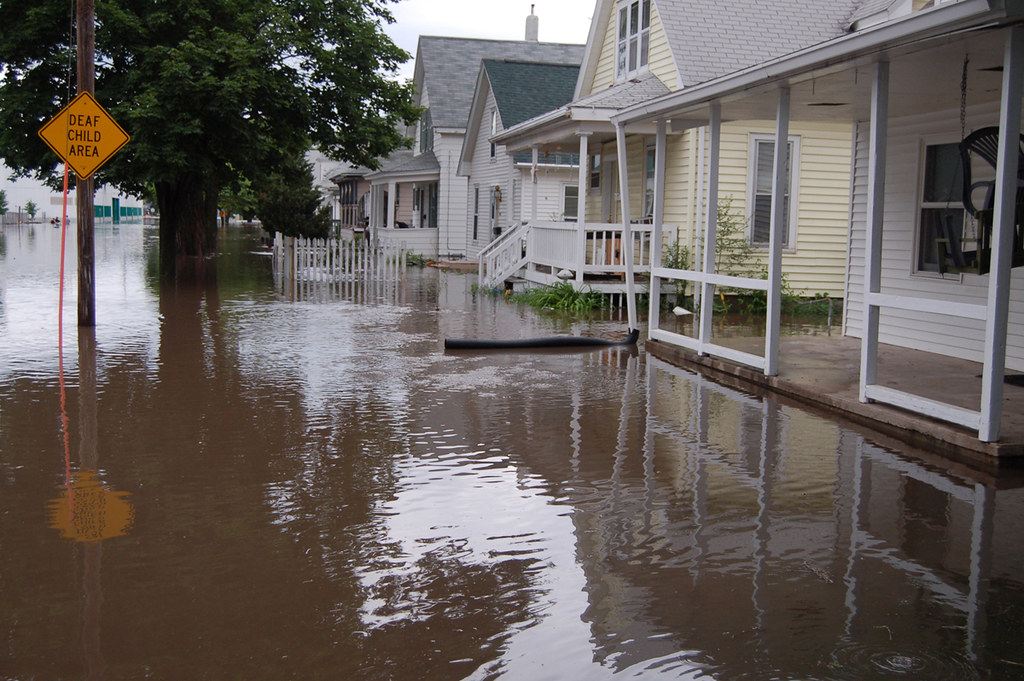
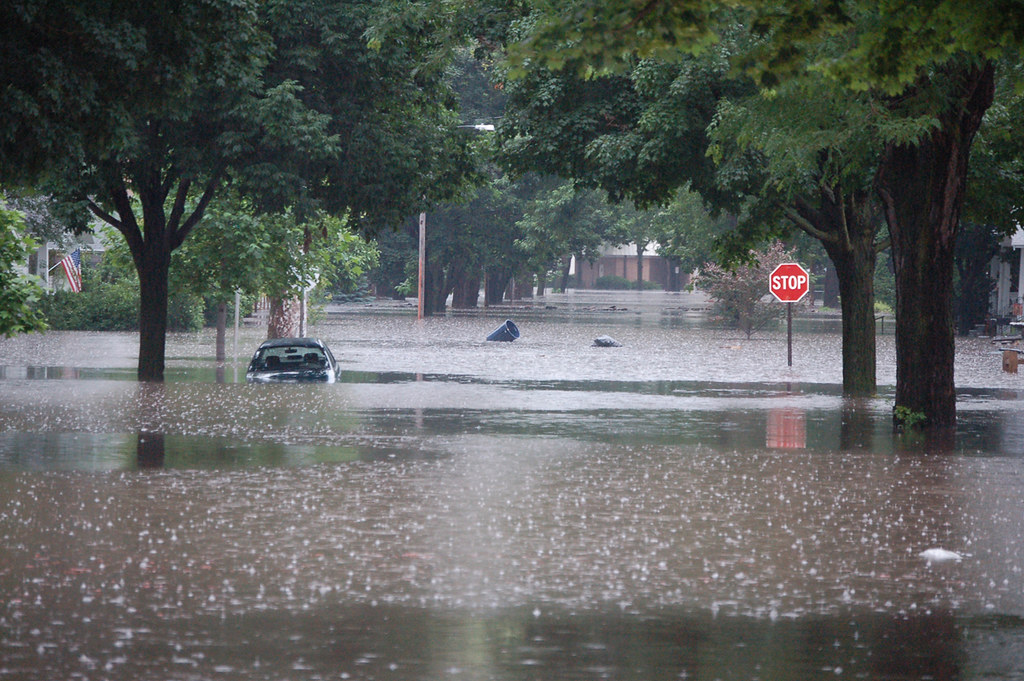
Flash flooding in Washington County moves fast. Within hours of the October 22 warning, properties across the St. George basin experienced:
- Standing water and mud intrusion in garages, crawlspaces, and ground-floor living areas
- Saturated drywall, flooring, and insulation requiring immediate extraction and drying
- Structural concerns related to water pooling near foundations
- Secondary mold risk due to Utah's warm fall temperatures accelerating moisture damage
- Insurance documentation challenges for homeowners unfamiliar with the claims process
What to Do After a Flash Flood — The Steps That Made a Difference
Based on our experience responding to this event, here is the recovery checklist we walked homeowners through. These steps remain relevant for any flooding event in the St. George area:
- Prioritize your family's safety first. Do not re-enter your home until floodwaters have fully receded and the structure has been visually assessed.
- Document all damage thoroughly. Take photos and video of every affected room, item, and exterior surface before any cleanup begins. This documentation is critical for your insurance claim.
- Avoid structurally compromised areas. Water-damaged flooring, walls, and ceilings can fail without warning. When in doubt, stay out.
- Contact your insurance company as soon as possible. Report the claim promptly and ask about your coverage for water extraction, structural drying, and temporary housing if needed.
- Call DRT to begin professional water extraction and drying. Every hour of delay increases the risk of mold growth and structural deterioration. Early intervention saved many homeowners from far more costly repairs.
Dealing with lingering damage? Our team is still available. Call 385-287-6344 or (801) 900-1432 for a free assessment.
How DRT Responded
DRT mobilized 24/7 emergency response teams across the St. George, Hurricane, Ivins, and Santa Clara areas in the hours following the October 22 warning. Our services during and after this event included:
- Emergency water extraction — removing standing water quickly to limit structural absorption
- Industrial structural drying — deploying commercial-grade dehumidifiers and air movers to dry wall cavities, subfloors, and framing
- Board-up and property protection — securing compromised structures against further damage
- Mold remediation — identifying and treating moisture-related mold growth that developed in the days following the event
- Smoke and soot removal — for properties where electrical issues compounded water damage
- Full rebuild coordination — from drywall replacement to flooring and finish work, managed under one roof
- Direct insurance billing — we worked directly with adjusters and carriers so homeowners could focus on their families, not paperwork
Lessons Learned from the October 2026 Flash Flood
Having been through this event with the St. George community, here is what we now share with every homeowner and property manager in Washington County:
- Flash floods move faster than most people expect. The October 22 warning window was under three hours. Properties that had mitigation plans — or who called DRT early — fared significantly better than those who waited.
- Mold doesn't wait for the cleanup to feel convenient. In Southern Utah's warm climate, mold can begin developing within 24–48 hours of a moisture event. Speed of response is the single biggest factor in limiting long-term damage costs.
- Insurance claims require documentation, not just damage. Homeowners who had photos and video from immediately after the flood received faster, more complete settlements. Those who cleaned up first and documented later often faced disputes.
- Not all water damage is visible. Some of the most significant structural drying work we performed in October 2026 was inside wall cavities, beneath tile, and under subfloors — areas that looked fine on the surface but were saturated underneath.
- Having a trusted local restoration team on call before an event matters. Many of the homeowners we helped most efficiently were those who had already encountered DRT through a neighbor or prior service call. When disaster struck, they knew exactly who to call.
- Washington County flood patterns are predictable. St. George, Hurricane, and the Santa Clara River corridor have documented flash flood risk. Homes in low-lying areas and near wash channels should have an emergency plan and emergency contacts ready before monsoon season each year.
About DRT — Your Local Restoration Team
Disaster Repair Team is a locally operated restoration and rebuild company serving St. George, Hurricane, Ivins, Santa Clara, Washington City, and surrounding Washington County communities. We have responded to flash flood events, water intrusion, fire damage, and storm aftermath across Southern Utah — and the October 2026 event was one more reminder of why fast, experienced local response matters.
We are not a national franchise that dispatches from out of state. We live and work here. When the NWS issues a warning for Washington County, we are already preparing to respond.
Our services include:
- 24/7 emergency water extraction and structural drying
- Mold testing and remediation
- Fire, smoke, and soot restoration
- Board-up and emergency property protection
- Full reconstruction and rebuild coordination
- Direct insurance company billing and adjuster coordination
Still Dealing with Flood Damage? We Can Help.
Whether your damage is fresh or you have discovered hidden moisture weeks after the event, it is not too late to get professional help. Untreated water damage worsens over time. The sooner we assess your property, the more options you have.
Call DRT now for a free assessment: 385-287-6344
Alternate line: (801) 900-1432
Available 24 hours a day, 7 days a week.
We work directly with all major insurance carriers and can begin the claims documentation process on your behalf from the first call.
Coverage and claim requirements depend on your policy and the cause of damage. Contact your insurer to confirm coverage before authorizing work. Keep photos and receipts when safe to do so.
Frequently Asked Questions
What should I do first?
Does insurance cover restoration?
How soon can restoration begin?
DRT serves St. George and surrounding areas. View our full St. George service area page for more about our restoration services in your area, or browse all service areas.
Need Help Now?
The Disaster Repair Team provides 24/7 emergency restoration services across Utah.
Request Help Online