Emergency Flood & Water Damage Restoration — Ferron
- Recovery resources and next steps
- Insurance claim guidance
- Lessons learned for future prevention
- Professional restoration support
Mold can start growing within 24–48 hours of water exposure. Fast extraction and drying dramatically reduce secondary damage and health risks.
Live Conditions
Real-time weather radar for Utah
How DRT Helped Ferron Recover from the September 2026 Flash Flood Warning
A Recovery Case Study & Resource Guide — Castle Dale, Ferron, and Green River, Utah
On September 15, 2026, the National Weather Service Salt Lake City issued a Flash Flood Warning for the Ferron area from 4:41 PM MDT to 7:45 PM MDT. In the hours and days that followed, the Disaster Repair Team (DRT) mobilized to help homeowners and business owners across Castle Dale, Ferron, and Green River assess damage, begin drying, and navigate the road to full recovery.
This page documents what happened, what worked, and what property owners in the area can learn for the future — whether you were affected by this event or want to be better prepared for the next one.
If you're dealing with flood damage now or discovered damage after the fact, DRT is still here to help.
Call anytime: 385-287-6344
What the September 2026 Flash Flood Affected
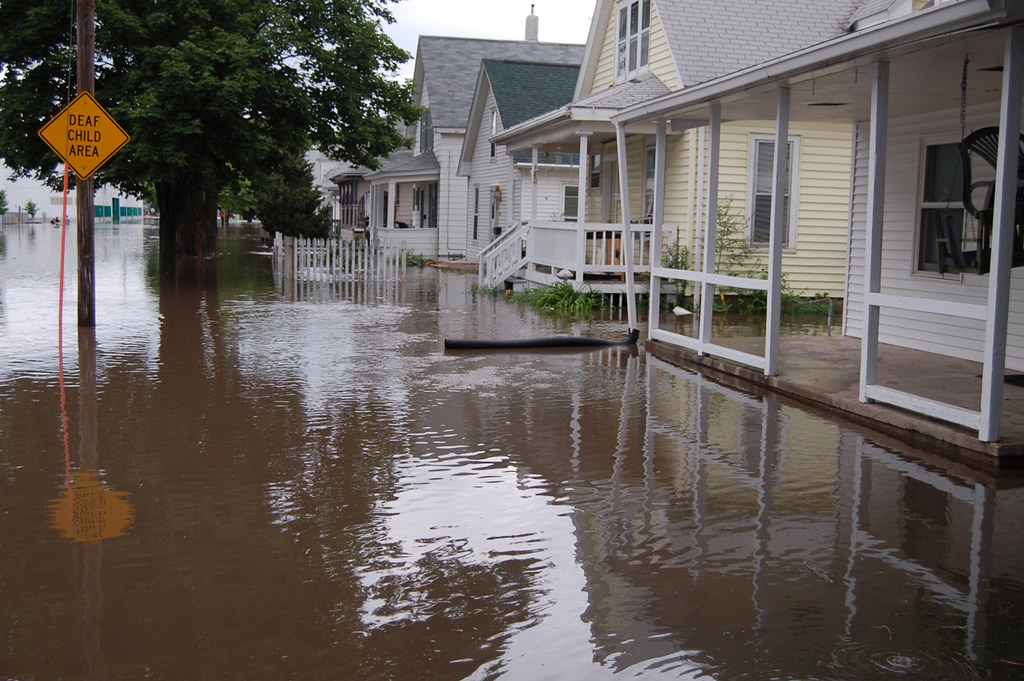
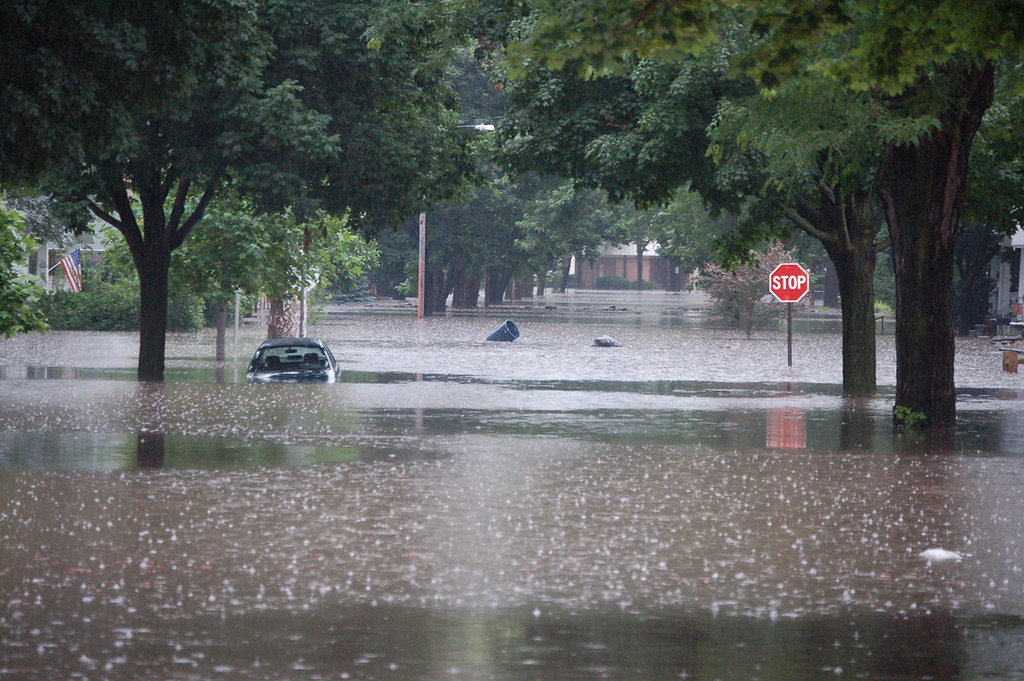
Flash flooding in the Castle Dale, Ferron, and Green River corridor impacted residential basements, crawl spaces, and ground-floor commercial spaces. Rapid water intrusion left little time for residents to respond before damage had already set in. Saturated drywall, compromised flooring, and early-stage mold conditions were among the most common issues DRT encountered in the days following the warning.
What Property Owners Did Right After the Flood
The residents and business owners who fared best in recovery were those who took these steps quickly after the water receded. If you're using this guide after a flooding event, these actions still apply:
- Prioritized family and personal safety first — Residents who waited until floodwaters had receded and authorities confirmed it was safe to re-enter avoided injury from compromised structures and contaminated water.
- Documented all damage thoroughly — Photos and video taken immediately after flooding — before any cleanup — proved essential for insurance claims. The more detailed, the better.
- Avoided structurally compromised areas — Waterlogged floors, sagging ceilings, and shifted foundations were flagged and left for professional assessment rather than attempted DIY entry.
- Contacted their insurance company early — Those who called their insurer within the first 24–48 hours moved through the claims process significantly faster.
- Called DRT for professional restoration — Early extraction and structural drying prevented minor water damage from becoming major mold problems. Time matters enormously with flood recovery.
Dealing with flood damage now? Don't wait — call DRT: 385-287-6344
How DRT Responded
Within hours of the warning, DRT crews were on the ground in the affected areas. Here's what the recovery process looked like for most properties:
- Emergency water extraction — Standing water was removed quickly using commercial-grade equipment to limit absorption into subfloors and wall cavities.
- Structural drying — Industrial air movers and dehumidifiers were deployed to dry affected structures from the inside out, with moisture readings tracked daily.
- Board-up and securing — Properties with exterior damage were secured to prevent further weather intrusion or unauthorized entry during the restoration period.
- Mold assessment and remediation — In cases where drying was delayed or moisture had penetrated deeply, DRT conducted mold testing and remediation to bring structures back to safe conditions.
- Insurance coordination — DRT worked directly with adjusters on behalf of property owners, documenting scope of damage, providing estimates, and streamlining the approval process.
- Full rebuild coordination — From drywall replacement to flooring and finishing, DRT managed the complete restoration through a single point of contact.
Lessons Learned from the September 2026 Event
Having worked through this event alongside the Ferron community, DRT came away with clear takeaways that every property owner in flash flood-prone areas of central and eastern Utah should know:
1. Speed of response determines the scale of damage
Properties where extraction began within 12–24 hours of flooding saw dramatically less secondary damage — particularly mold — than those where water sat for 48 hours or more. In flash flood scenarios, calling a restoration team the same evening, even before full assessment, is almost always the right call.
2. Flash floods don't announce themselves — pre-planning does
The September 2026 warning was issued with only hours of lead time. Property owners who had already identified where their water shutoffs were, knew their insurance policy's flood provisions, and had a restoration company's number saved were able to act immediately rather than scramble.
3. Visible damage is rarely the full picture
Many homeowners initially thought their damage was limited to what they could see. Moisture meters and thermal imaging revealed water migration into wall cavities, under tile, and into structural framing that looked dry on the surface. Professional assessment matters.
4. Insurance documentation is everything
Claims moved fastest for owners who had pre-event photos of their property (for comparison), took thorough post-event documentation before touching anything, and engaged a restoration company that could provide professional damage reports. If you don't have pre-event photos of your property's interior and exterior, take them today and store them in the cloud.
5. Community matters — but so does knowing who to call
Word-of-mouth referrals spread quickly in Ferron, Castle Dale, and Green River after the event. Property owners who connected with DRT early benefited from faster crew availability. In a regional event, restoration capacity gets stretched — local teams with established presence get there first.
About DRT — Local Experience, Professional Results
The Disaster Repair Team has responded to flood, fire, and storm damage events throughout central and eastern Utah for years. The September 2026 flash flood was not the first time DRT mobilized for the Ferron corridor, and it won't be the last. That local history means DRT understands the soil conditions, the infrastructure, the typical construction types in the area, and the specific challenges flash flooding in the region presents.
DRT provides 24/7 emergency restoration services including:
- Emergency water extraction
- Structural drying and moisture monitoring
- Board-up and property securing
- Mold assessment and remediation
- Smoke and soot removal
- Full rebuild and finish coordination
- Direct insurance company coordination
Whether you're still dealing with damage from the September 2026 event, discovered delayed issues like mold in the months after, or want to know what to do when the next warning is issued — DRT is your local resource.
Call DRT anytime, 24/7: 385-287-6344
Still Dealing with Flood Damage? It's Not Too Late.
Flood damage doesn't always reveal itself immediately. Hidden moisture, delayed mold growth, and structural issues can surface weeks or months after the original event. If you were affected by the September 2026 flash flood warning in Ferron, Castle Dale, or Green River — or any flooding event — and haven't had a professional assessment, contact DRT today.
Call 385-287-6344 — available 24 hours a day, 7 days a week.
```Most homeowner policies cover sudden water damage (burst pipes, appliance failures). Natural flooding typically requires separate flood insurance. Either way, DRT documents everything from day one — moisture readings, photos, scope of work — so your claim is supported whether it goes through your standard policy or a flood policy.
Frequently Asked Questions
How quickly does mold grow after flooding?
Will my homeowner's insurance cover flood damage restoration?
What should I NOT do after my home floods?
How quickly can DRT respond?
Do I need to file my insurance claim before calling DRT?
DRT serves Ferron and surrounding areas. View our full Ferron service area page for more about our restoration services in your area, or browse all service areas.
Need Help Now?
The Disaster Repair Team provides 24/7 emergency restoration services across Utah.
Request Help Online