Emergency Flood & Water Damage Restoration — Hurricane
- Recovery resources and next steps
- Insurance claim guidance
- Lessons learned for future prevention
- Professional restoration support
Mold can start growing within 24–48 hours of water exposure. Fast extraction and drying dramatically reduce secondary damage and health risks.
Live Conditions
Real-time weather radar for Utah
How DRT Helped Hurricane, Ivins, Santa Clara & Surrounding Communities Recover from the September 2026 Flash Flood
On August 31, 2026 at 10:56PM MDT, the National Weather Service in Salt Lake City issued a Flash Flood Warning for the Hurricane area, active through September 1 at 1:00AM MDT. What followed was a stressful and damaging night for homeowners and businesses across Hurricane, Ivins, Santa Clara, and neighboring Washington County communities.
The Disaster Repair Team (DRT) was on the ground and responding within hours. This page serves as a recovery resource and case study for anyone who experienced damage during that event — or who wants to be better prepared if it happens again.
If you're still dealing with damage or discovering new issues, we're still here. Call us: 385-287-6344
What Happened: The September 2026 Flash Flood Event
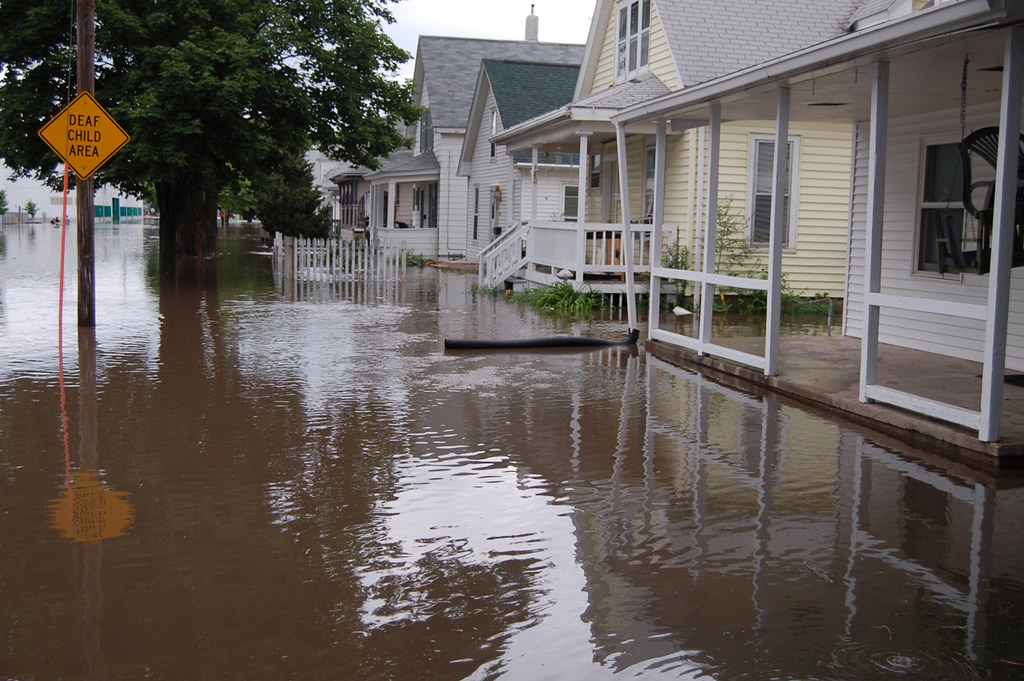
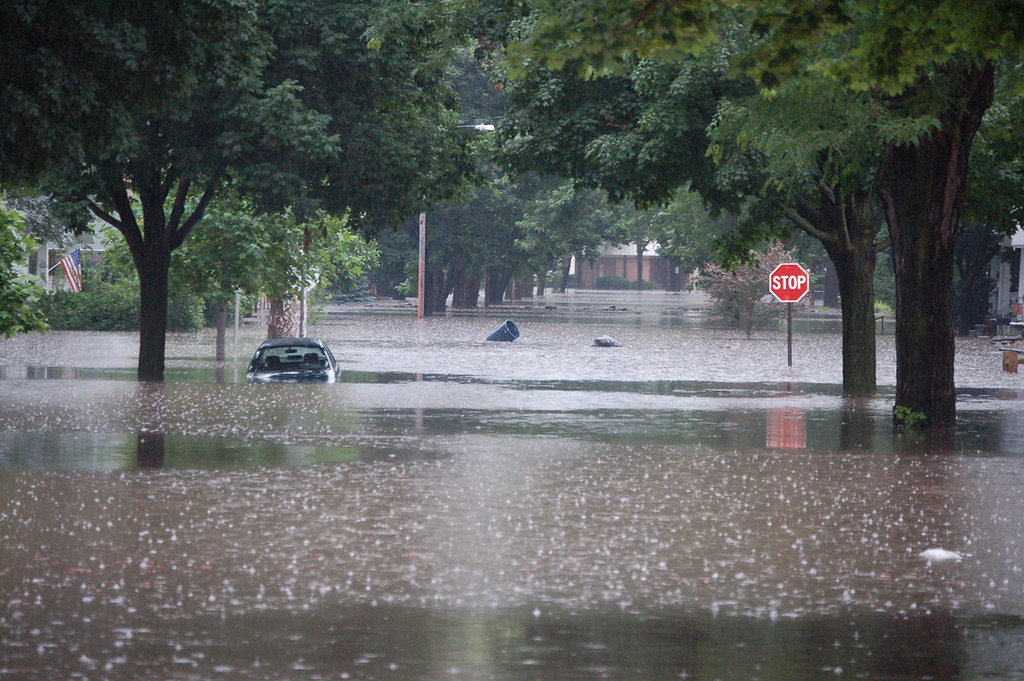
Flash flooding in Washington County is not unusual — but the speed and intensity of the August 31 event caught many residents off guard. Storm runoff moved quickly through neighborhoods, pushing water into garages, crawl spaces, ground-floor living areas, and commercial properties across the region. Roads flooded, debris accumulated, and by morning, the damage assessments began.
DRT received calls throughout the night and into the following days as residents discovered the full extent of what the water had left behind.
What to Do After a Flash Flood — The Same Steps We Walked Homeowners Through
Whether you're reading this in the immediate aftermath or weeks later, the recovery process follows the same essential steps. Here's what we advised — and what still applies:
- Prioritize your family's safety first. Do not return to a structure until local authorities have confirmed it is safe to enter.
- Document everything before cleanup begins. Photograph and video all damage from multiple angles. This documentation is critical for insurance claims.
- Do not enter structurally compromised areas. Floodwater can weaken floors, walls, and foundations in ways that aren't immediately visible.
- Contact your insurance company as soon as possible. Report the loss and ask about your coverage for water damage, contents, and additional living expenses.
- Call DRT to begin professional water mitigation. Standing water and saturated materials begin growing mold within 24–48 hours. Fast extraction and drying is essential. 385-287-6344
How DRT Responded — And What We Provided
During and after the September 2026 event, DRT provided the full range of emergency restoration services to affected properties across Hurricane, Ivins, Santa Clara, and the broader St. George area:
- 24/7 Emergency Response — We were taking calls through the night of the flood warning.
- Water Extraction — Commercial-grade pumps and wet vacuums to remove standing water fast.
- Structural Drying — Industrial air movers and dehumidifiers to dry walls, subfloors, and framing before mold could take hold.
- Mold Remediation — For properties where water sat longer or damage wasn't discovered immediately.
- Board-Up & Securing — Protecting storm-damaged structures from further exposure or intrusion.
- Smoke & Soot Removal — For any fire-related secondary damage.
- Full Rebuild Coordination — From demo through final finishes, DRT managed the repair process end to end.
- Direct Insurance Billing — We worked directly with adjusters so homeowners didn't have to navigate that process alone.
Still dealing with water damage, musty smells, or visible mold from this event? It's not too late to call. 385-287-6344
Lessons Learned: What the September 2026 Flood Taught Us — and Our Customers
Every major weather event leaves behind practical knowledge. Here's what stood out from our work in the aftermath of this flood:
1. Hidden damage is common — and costly if ignored.
Many homeowners initially thought their damage was minor. In several cases, moisture had wicked up into wall cavities and under flooring in ways that weren't visible to the naked eye. Thermal imaging and moisture meters revealed the true extent. Delaying professional assessment often made remediation more expensive, not less.
2. Mold doesn't wait for your schedule.
Washington County's heat accelerates mold growth dramatically. Properties that had water removed within 24 hours fared significantly better than those where extraction was delayed by even a day or two. Speed matters more than almost anything else in water damage recovery.
3. Flash floods don't require a lot of water to cause serious damage.
Even a few inches of intrusion — especially in crawl spaces or along foundation walls — created significant structural drying challenges. Homeowners who assumed "it wasn't that bad" sometimes found mold weeks later.
4. Insurance documentation starts before cleanup.
Homeowners who documented thoroughly before any remediation began had smoother claims processes. Those who cleaned up first and documented after sometimes faced pushback from adjusters. Always photograph before you move anything.
5. Local experience matters.
DRT is based in Washington County. We understand how water moves through these neighborhoods, how desert-region construction responds to moisture, and how to work with local adjusters. That local knowledge made a real difference in how quickly we could assess, scope, and begin work.
Why Homeowners in Hurricane & Washington County Trust DRT
DRT isn't a national franchise that parachutes in after a storm. We live and work in this community. We've responded to flash floods, pipe bursts, structure fires, and mold outbreaks across Washington County for years — and the September 2026 event was one more example of the kind of fast, coordinated response our neighbors have come to expect from us.
We work directly with your insurance company, we communicate clearly throughout the process, and we don't disappear after mitigation — we see the job through to a complete, livable result.
Still Recovering? We Can Help.
If you experienced damage during the September 2026 flash flood and are still dealing with the aftermath — whether that's a slow insurance process, lingering moisture, unexpected mold, or a repair that stalled — call DRT. We can assess where things stand and help you move forward.
Call or text anytime: 385-287-6344
We offer free damage assessments and work directly with all major insurance carriers. Serving Hurricane, Ivins, Santa Clara, St. George, Washington City, and all of Washington County, Utah.
```Most homeowner policies cover sudden water damage (burst pipes, appliance failures). Natural flooding typically requires separate flood insurance. Either way, DRT documents everything from day one — moisture readings, photos, scope of work — so your claim is supported whether it goes through your standard policy or a flood policy.
Frequently Asked Questions
How quickly does mold grow after flooding?
Will my homeowner's insurance cover flood damage restoration?
What should I NOT do after my home floods?
How quickly can DRT respond?
Do I need to file my insurance claim before calling DRT?
DRT serves Hurricane and surrounding areas. View our full Hurricane service area page for more about our restoration services in your area, or browse all service areas.
Need Help Now?
The Disaster Repair Team provides 24/7 emergency restoration services across Utah.
Request Help Online