Emergency Flood & Water Damage Restoration — Ivins
- Recovery resources and next steps
- Insurance claim guidance
- Lessons learned for future prevention
- Professional restoration support
Mold can start growing within 24–48 hours of water exposure. Fast extraction and drying dramatically reduce secondary damage and health risks.
Live Conditions
Real-time weather radar for Utah
How DRT Helped Ivins Recover from the September 2026 Flash Flood — A Local Recovery Case Study
Serving Ivins, Santa Clara, Hurricane, St. George, and surrounding Washington County communities
About This Event
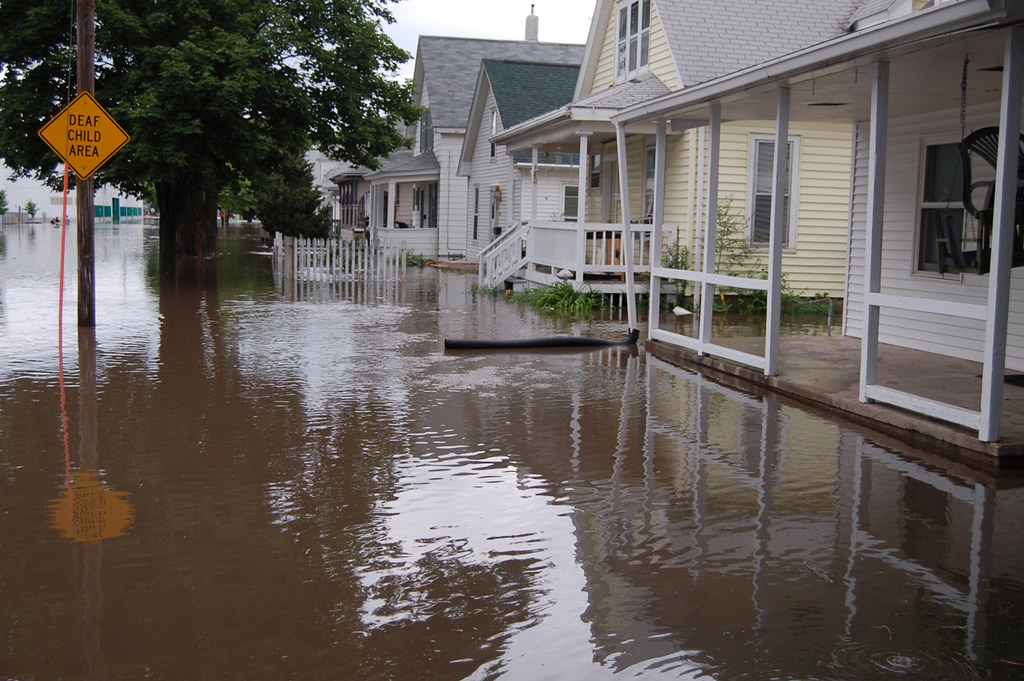
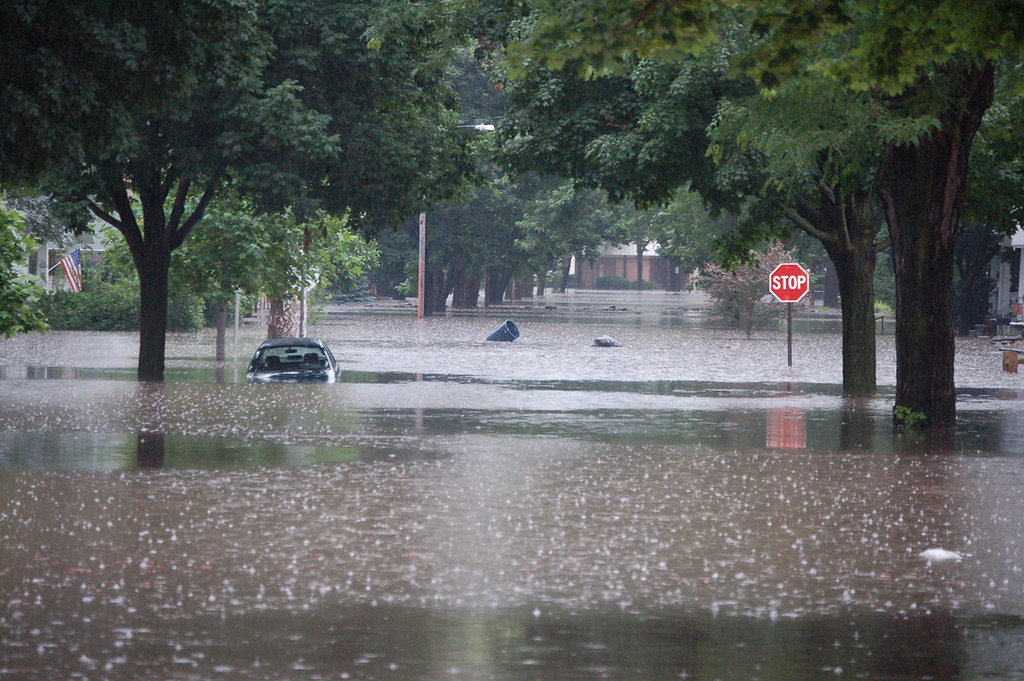
On the night of August 31, 2026, the National Weather Service Salt Lake City issued a Flash Flood Warning for the Ivins and Santa Clara area, effective from 10:56 PM MDT through 1:00 AM MDT on September 1. Residents across Ivins, Santa Clara, Hurricane, and neighboring Washington County communities experienced fast-moving water, structural damage, and significant property loss in a matter of hours.
The Disaster Repair Team (DRT) was on the ground responding before the warning had even lifted. This page documents what happened, how local homeowners and businesses navigated the aftermath, and what our team learned — so that if a similar event affects your property in the future, you'll know exactly what to do and who to call.
Have you experienced flooding or storm damage? DRT is ready now.
Call: 385-287-6344
What Homeowners Did Right After the Flood
In the hours and days following the September 2026 flash flood, the residents who recovered fastest were the ones who acted quickly and methodically. Here's the step-by-step approach that worked:
- Put family safety first. Before assessing any property damage, residents confirmed their families were safe and accounted for. No structure or belonging is worth a life.
- Documented everything with photos and video. Before touching or moving anything, affected homeowners captured comprehensive photo and video evidence of all visible damage — walls, floors, contents, exterior, and vehicles. This documentation proved essential during insurance claims.
- Avoided structurally compromised areas. Floodwater weakens foundations, walls, and floors quickly. Residents who waited for a professional assessment before re-entering damaged spaces avoided serious injury.
- Contacted their insurance company promptly. Early contact with insurers helped homeowners open claims faster and understand their coverage before restoration work began.
- Called DRT for emergency water extraction and drying. The faster standing water was removed and drying equipment was deployed, the less secondary damage — including mold — residents faced. Time matters enormously after a flood.
Dealing with flood damage now or want to be prepared?
Call DRT: 385-287-6344
How DRT Responded
Within hours of the flash flood warning, DRT crews were staged and responding to calls across Ivins, Santa Clara, Hurricane, and St. George. Our 24/7 emergency restoration services mobilized immediately and included:
- Emergency water extraction — removing standing water from basements, crawlspaces, living areas, and garages
- Structural drying — deploying industrial air movers and dehumidifiers to prevent moisture from penetrating framing, drywall, and subfloors
- Board-up and tarping — securing properties where doors, windows, or roof sections were compromised
- Mold remediation — identifying and treating mold growth that began appearing within 24–48 hours in affected structures
- Smoke and soot removal — addressing fire-related damage in cases where electrical issues accompanied the flooding
- Full rebuild coordination — managing the complete restoration process from initial mitigation through final repairs, working directly with homeowners' insurance adjusters
DRT worked directly with insurance companies throughout the process, helping homeowners navigate claims, documentation requirements, and scope-of-work approvals so they could focus on their families rather than paperwork.
Lessons Learned from the September 2026 Flash Flood
After responding to dozens of properties affected by this event, our team identified several patterns that either helped or hurt homeowners during recovery. These are the lessons we carry forward — and share with every community we serve.
1. Minutes Matter After a Flood
Homes where water extraction began within the first few hours sustained significantly less long-term damage than those where water sat overnight. Mold can begin developing within 24–48 hours in warm, wet conditions — common after a summer flash flood in Southern Utah. Don't wait to see if things "dry out on their own."
2. DIY Drying Is Almost Never Enough
Several homeowners attempted to dry their properties using household fans and dehumidifiers. While well-intentioned, consumer-grade equipment rarely moves enough air volume or removes enough moisture to prevent hidden damage inside walls and under flooring. Professional equipment and moisture monitoring make the difference between a clean recovery and a mold problem months later.
3. Document Before You Clean
Homeowners who cleaned up before documenting damage — understandably wanting to restore normalcy quickly — sometimes found their insurance claims complicated by a lack of evidence. Always photograph and video everything before any cleanup or restoration work begins.
4. Flash Floods in Washington County Follow Predictable Patterns
The red rock terrain of Ivins, Santa Clara, and Hurricane creates rapid runoff conditions. Areas near washes, canyon mouths, and low-lying roads are especially vulnerable. Knowing your property's risk profile before a storm arrives helps you act faster when warnings are issued.
5. Having a Restoration Team on Speed Dial Pays Off
Homeowners who already knew who to call — and called early — got crews on-site faster. During major weather events, restoration companies get busy quickly. Early callers received faster response times and experienced shorter overall recovery timelines.
6. Insurance Coordination Is a Team Sport
The smoothest recoveries happened when homeowners, insurers, and restoration crews were communicating together from the start. DRT's experience working directly with adjusters helped eliminate delays, reduce disputes over scope, and keep projects moving forward.
DRT's Experience in Southern Utah
The September 2026 flash flood wasn't the first major weather event DRT responded to in Washington County — and it won't be the last. Our team has worked through flooding, windstorms, and other disasters across Ivins, Santa Clara, Hurricane, St. George, Washington City, LaVerkin, and the broader region. We know the terrain, the construction styles common to this area, and the specific challenges that Southern Utah's desert climate creates during and after storm events.
When the next warning comes, we'll be ready. And if you're dealing with damage right now, we're ready today.
Call DRT 24/7 for emergency restoration and flood recovery:
385-287-6344
Full-Service Restoration — What We Provide
DRT offers comprehensive disaster restoration services for homeowners and businesses throughout Washington County and Southern Utah, including:
- 24/7 emergency response and water extraction
- Structural drying and moisture monitoring
- Mold testing and remediation
- Board-up, tarping, and emergency securing
- Smoke and soot removal
- Content cleaning and pack-out services
- Full rebuild and reconstruction coordination
- Direct insurance billing and adjuster coordination
We work with all major insurance carriers and can help guide you through every step of the claims and restoration process.
Ready to start your recovery? DRT is one call away.
385-287-6344
Most homeowner policies cover sudden water damage (burst pipes, appliance failures). Natural flooding typically requires separate flood insurance. Either way, DRT documents everything from day one — moisture readings, photos, scope of work — so your claim is supported whether it goes through your standard policy or a flood policy.
Frequently Asked Questions
How quickly does mold grow after flooding?
Will my homeowner's insurance cover flood damage restoration?
What should I NOT do after my home floods?
How quickly can DRT respond?
Do I need to file my insurance claim before calling DRT?
DRT serves Ivins and surrounding areas. View our full Ivins service area page for more about our restoration services in your area, or browse all service areas.
Need Help Now?
The Disaster Repair Team provides 24/7 emergency restoration services across Utah.
Request Help Online