Emergency Flood & Water Damage Restoration — Santa Clara
- Recovery resources and next steps
- Insurance claim guidance
- Lessons learned for future prevention
- Professional restoration support
Mold can start growing within 24–48 hours of water exposure. Fast extraction and drying dramatically reduce secondary damage and health risks.
Live Conditions
Real-time weather radar for Utah
How DRT Helped Santa Clara Recover from the September 2026 Flash Flood — A Local Recovery Guide
Covering: Hurricane, Ivins, Santa Clara & surrounding Washington County communities
In the early hours of September 1, 2026, a Flash Flood Warning issued by NWS Salt Lake City sent Washington County residents scrambling. The warning — active from 10:56 PM MDT on August 31 through 1:00 AM MDT on September 1 — brought rapid water intrusion, debris flow, and property damage to neighborhoods across Santa Clara, Hurricane, Ivins, and nearby communities.
The Disaster Repair Team (DRT) mobilized immediately and worked alongside affected homeowners and businesses throughout the event and its aftermath. This page exists as a permanent resource for anyone recovering from that flood — or any flash flood event in the region — so you know exactly what to do, what to expect, and who to call.
Questions about your property? Call DRT anytime: 385-287-6344
What Happened: The September 2026 Flash Flood Warning
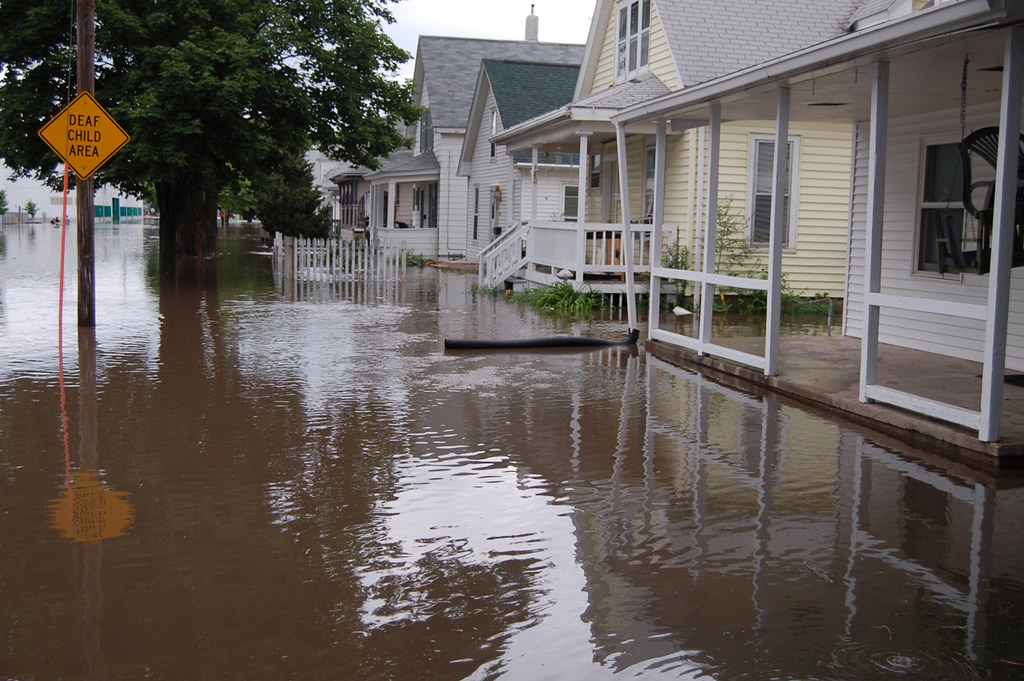
The National Weather Service issued a Flash Flood Warning for the Santa Clara and Hurricane area on August 31, 2026 at 10:56 PM MDT, with effects continuing into the early morning of September 1. Rapid runoff from monsoon-driven rainfall overwhelmed drainage infrastructure and caused localized flooding in low-lying areas, washes, and properties near natural flow channels — a pattern well-known to longtime residents of Washington County.
DRT crews were on the ground responding to calls within hours of the warning, performing emergency water extraction, moisture assessments, and structural evaluations across the affected area.
What to Do After a Flash Flood (The Steps That Mattered Most)
Whether you're reading this in the immediate aftermath of a flood or weeks later still dealing with damage, these are the steps that made the biggest difference for homeowners DRT worked with following the September 2026 event:
- Prioritize your family's safety first. Do not re-enter a flooded home until authorities have confirmed it is safe to do so.
- Document everything with photos and video before moving or discarding any damaged items. Thorough documentation is critical for insurance claims.
- Do not enter structurally compromised areas. Floodwater can undermine foundations, warp load-bearing walls, and create hidden hazards.
- Contact your insurance company as soon as possible to open a claim and understand your coverage for water damage, contents, and temporary housing.
- Begin water extraction and drying immediately. Every hour of standing water increases the risk of mold growth and structural damage. DRT handled emergency water extraction for dozens of properties within the first 24–48 hours after the September event.
- Call DRT to assess your property — even if damage seems minor. Hidden moisture inside walls and subfloors caused secondary mold issues for several homeowners who waited too long.
Ready to talk through your situation? Call DRT: 385-287-6344
How DRT Helped Santa Clara & Surrounding Communities Recover
DRT provided full-spectrum emergency restoration services throughout the September 2026 recovery effort, including:
- 24/7 emergency response — crews available around the clock from the moment the warning was issued
- Water extraction and structural drying — industrial-grade equipment deployed rapidly across Santa Clara, Hurricane, and Ivins properties
- Moisture mapping and mold prevention — proactive treatment to stop secondary damage before it started
- Board-up and property securing — protecting homes from additional damage and unauthorized entry
- Mold remediation — for properties where delayed response or hidden moisture led to growth
- Full rebuild coordination — from drywall and flooring to structural repairs, DRT managed the process end to end
- Direct insurance coordination — DRT worked directly with adjusters, reducing stress and paperwork for homeowners
We've been through Washington County flash floods before. We know the terrain, we know the washes, and we know where water goes when the monsoons hit hard. That local knowledge meant faster response and better outcomes for the families we served.
Lessons Learned from the September 2026 Flash Flood
After working with homeowners and businesses across the affected area, DRT's team identified several patterns that shaped how damage unfolded — and how it could have been reduced:
- Speed of response was the single biggest factor in outcomes. Homeowners who called within the first few hours saw significantly less mold growth and structural damage than those who waited days. In Washington County's dry climate, wet materials dry out unevenly — and mold can begin establishing in as little as 24–48 hours in enclosed spaces.
- Many residents underestimated subfloor and wall cavity moisture. Surfaces that looked dry to the eye were retaining dangerous moisture levels inside wall cavities and under flooring. Thermal imaging and moisture meters revealed hidden saturation in numerous homes that appeared superficially unaffected.
- Documentation gaps hurt insurance claims. Several homeowners struggled to recover full value because they had discarded damaged materials or begun cleanup before completing thorough photo and video documentation. Always document first — then act.
- Homes near washes and drainage channels face recurring risk. The September 2026 event was not the first flood to affect these areas, and it won't be the last. Homeowners in low-lying or wash-adjacent areas in Santa Clara, Hurricane, and Ivins should maintain a preparedness plan and know who to call before the next event.
- Having a restoration contractor identified in advance makes a real difference. Homeowners who already knew DRT were able to get crews on-site faster. If you live in a flood-prone area, save our number now — before you need it.
Still Dealing with Damage from This Event — or a Previous Flood?
If your home or business sustained damage during the September 2026 flash flood and you haven't completed repairs, it's not too late to get professional help. Lingering moisture, odor, warped flooring, or visible mold are all signs that the restoration process was incomplete. DRT can assess your property, identify ongoing issues, and coordinate a full recovery — including working directly with your insurance company.
We also work with homeowners dealing with damage from previous flood events, including properties where earlier repairs were insufficient or where mold has since developed.
Call DRT for a no-obligation assessment: 385-287-6344
About DRT: Washington County's Local Restoration Team
The Disaster Repair Team is a locally based restoration and rebuild company serving Santa Clara, Hurricane, Ivins, St. George, and the surrounding Washington County area. We specialize in water damage restoration, mold remediation, fire and smoke recovery, and full property rebuilds — and we've responded to flash flood events, structure fires, and other disasters across southern Utah for years.
When the September 2026 warning came in at 10:56 PM, our team was already preparing to respond. That's who we are — and that's the level of readiness we bring to every call.
- 24/7 emergency availability
- Local crews who know Washington County
- Direct insurance coordination
- Water extraction, drying, mold remediation, and full rebuild under one roof
Save our number. Call us anytime: 385-287-6344
```Most homeowner policies cover sudden water damage (burst pipes, appliance failures). Natural flooding typically requires separate flood insurance. Either way, DRT documents everything from day one — moisture readings, photos, scope of work — so your claim is supported whether it goes through your standard policy or a flood policy.
Frequently Asked Questions
How quickly does mold grow after flooding?
Will my homeowner's insurance cover flood damage restoration?
What should I NOT do after my home floods?
How quickly can DRT respond?
Do I need to file my insurance claim before calling DRT?
DRT serves Santa Clara and surrounding areas. View our full Santa Clara service area page for more about our restoration services in your area, or browse all service areas.
Need Help Now?
The Disaster Repair Team provides 24/7 emergency restoration services across Utah.
Request Help Online