Emergency Flood & Water Damage Restoration — St. George
- Recovery resources and next steps
- Insurance claim guidance
- Lessons learned for future prevention
- Professional restoration support
Mold can start growing within 24–48 hours of water exposure. Fast extraction and drying dramatically reduce secondary damage and health risks.
Live Conditions
Real-time weather radar for Utah
How DRT Helped St. George Recover from the September 2026 Flash Flood — A Community Recovery Guide
Serving Hurricane, Ivins, Santa Clara, Washington City, and the greater St. George area
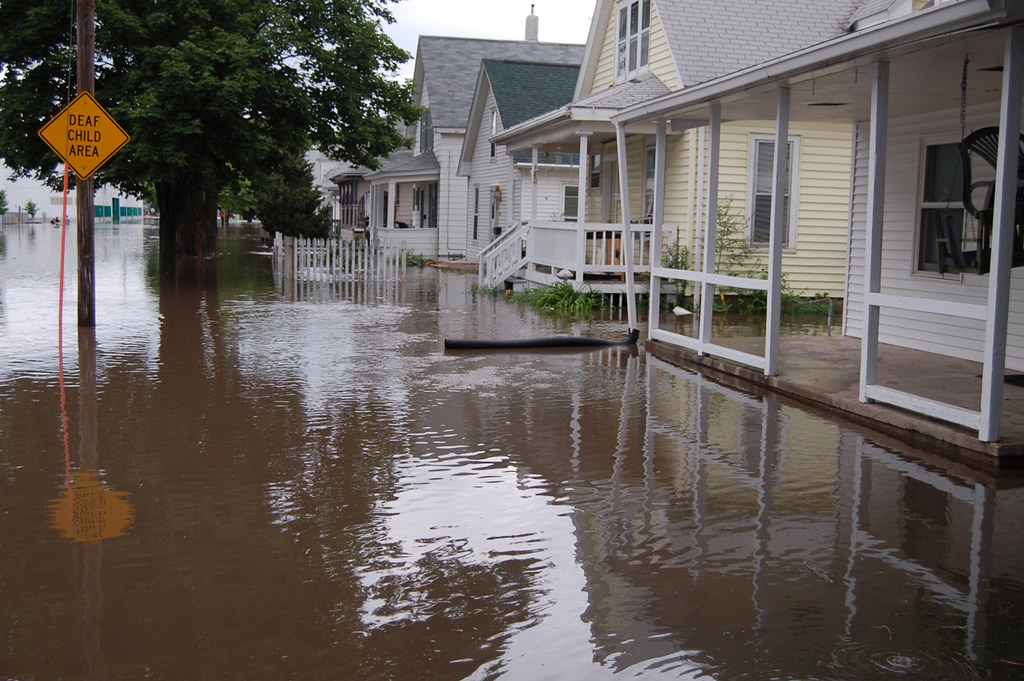
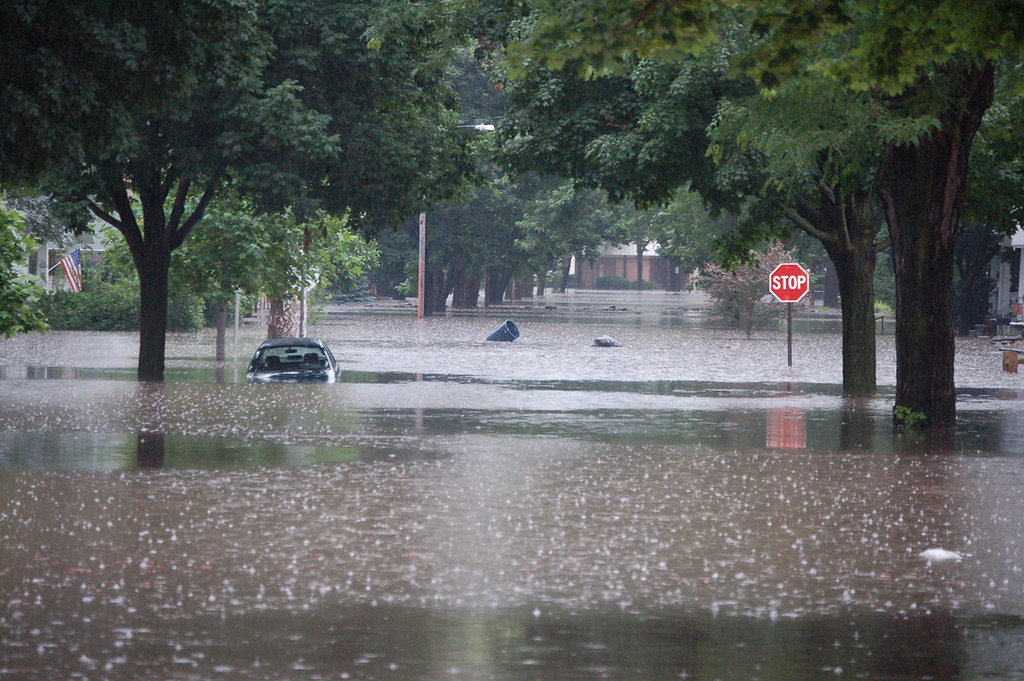
In the early hours of September 1, 2026, a Flash Flood Warning issued by NWS Salt Lake City sent waves of concern through Washington County. From St. George to Hurricane, Ivins to Santa Clara, homeowners and business owners woke up to flooded properties, saturated walls, and the daunting question: what do we do now?
The Disaster Repair Team (DRT) responded — and this page documents what happened, what worked, and what every property owner in Southern Utah should know before the next storm hits.
If you're dealing with flood or water damage right now, we're still here:
Call DRT 24/7: 385-287-6344
About the September 2026 Flash Flood Event
The National Weather Service Salt Lake City issued a Flash Flood Warning on August 31, 2026 at 10:56 PM MDT, running through September 1, 2026 at 1:00 AM MDT. The storm brought rapid water accumulation across low-lying areas, washes, and neighborhoods throughout Washington County — a reminder of how quickly Southern Utah's desert terrain can transform stormwater into a destructive force.
DRT mobilized immediately and began fielding calls from affected residents and business owners within hours of the warning.
What Affected Property Owners Did (and What You Should Do After Any Flood)
The property owners who fared best after the September 2026 flood followed a clear sequence of steps. Whether you experienced that event or are recovering from a more recent storm, this checklist reflects real-world experience from our crews on the ground:
- Prioritized family safety first. Before assessing any damage, residents confirmed their households were safe and moved away from any standing water or structurally questionable areas.
- Documented everything with photos and video. A thorough visual record — taken before any cleanup began — proved essential for insurance claims and restoration planning.
- Avoided structurally compromised areas. Flooded properties can have weakened floors, walls, and foundations. Staying out of unsafe zones prevented additional injuries.
- Contacted their insurance company promptly. Early notification opened the claims process faster and helped coordinate coverage for restoration costs.
- Called DRT for emergency water extraction and drying. Speed matters — the longer water sits, the greater the risk of mold, structural damage, and permanent loss. Our crews arrived quickly to begin water extraction, structural drying, and assessment.
Ready to get started? Call DRT anytime: 385-287-6344
How DRT Responded — and What We Provided
When the calls came in from St. George, Hurricane, Ivins, Santa Clara, and surrounding communities, DRT deployed full restoration teams equipped to handle every phase of flood recovery. Our services included:
- Emergency water extraction — removing standing water rapidly to minimize damage spread
- Structural drying — industrial-grade drying equipment deployed throughout affected structures
- Board-up and property securing — protecting vulnerable properties from further damage or intrusion
- Mold remediation — addressing moisture-related mold growth before it became a long-term health hazard
- Smoke and soot removal — for any properties affected by fire-related events alongside storm damage
- Full rebuild coordination — managing the restoration process from initial damage through complete structural repair
- Direct insurance coordination — working with adjusters and carriers so property owners didn't have to navigate the process alone
DRT has worked in Washington County long enough to understand how local soil, drainage patterns, and building construction interact with flash flood conditions. That local knowledge made a real difference in response time and restoration outcomes.
Lessons Learned: What the September 2026 Flood Taught Southern Utah Homeowners
Every major weather event leaves behind more than damage — it leaves knowledge. Here's what the St. George area community and DRT's restoration teams took away from the September 2026 flash flood:
- Desert flash floods escalate faster than most people expect. Washington County's hardpan soil and canyon topography funnel water rapidly. A warning issued at 10:56 PM can mean water in your home before midnight. Have a plan before storm season starts.
- The first 24–48 hours are critical. Properties where water extraction began within hours sustained significantly less secondary damage — especially mold growth — than those where owners waited. Acting fast is the single most impactful decision a property owner can make.
- Documentation is non-negotiable. Homeowners who photographed and video-recorded their damage before any cleanup had smoother, faster insurance claims. Those who cleaned up first sometimes struggled to prove the extent of loss.
- Insurance coordination matters — choose a contractor who handles it. Many property owners were relieved to work with a team that communicated directly with their insurance adjuster, reducing the administrative burden during an already stressful time.
- Not all water damage is visible. Some of the worst outcomes from the September 2026 event came from moisture that had absorbed into wall cavities, subfloors, and insulation — invisible to the naked eye but detectable with professional moisture mapping. Don't assume it's dry just because it looks dry.
- Local experience is an advantage. Teams familiar with St. George, Hurricane, Ivins, and Santa Clara — their building styles, their neighborhoods, their drainage challenges — responded more effectively than out-of-area contractors who arrived later with less contextual knowledge.
DRT Serves All of Washington County
The September 2026 event affected communities across the region — and DRT was present throughout. We provide restoration services across:
- St. George
- Hurricane
- Ivins
- Santa Clara
- Washington City
- La Verkin
- Toquerville
- And surrounding Washington County communities
Dealing With Flood or Water Damage? DRT Is Ready.
Whether you're recovering from a recent storm or preparing your property after past flood damage, DRT brings the same rapid response, local knowledge, and full-service restoration approach that served Washington County through the September 2026 flash flood.
We provide 24/7 emergency restoration including water extraction, structural drying, board-up, mold remediation, smoke and soot removal, and complete rebuild coordination — and we work directly with your insurance company every step of the way.
📞 Call DRT now — we answer 24/7: 385-287-6344
Don't wait. Every hour matters when water is involved.
```Most homeowner policies cover sudden water damage (burst pipes, appliance failures). Natural flooding typically requires separate flood insurance. Either way, DRT documents everything from day one — moisture readings, photos, scope of work — so your claim is supported whether it goes through your standard policy or a flood policy.
Frequently Asked Questions
How quickly does mold grow after flooding?
Will my homeowner's insurance cover flood damage restoration?
What should I NOT do after my home floods?
How quickly can DRT respond?
Do I need to file my insurance claim before calling DRT?
DRT serves St. George and surrounding areas. View our full St. George service area page for more about our restoration services in your area, or browse all service areas.
Need Help Now?
The Disaster Repair Team provides 24/7 emergency restoration services across Utah.
Request Help Online