Emergency Flood & Water Damage Restoration — Washington City
- Recovery resources and next steps
- Insurance claim guidance
- Lessons learned for future prevention
- Professional restoration support
Follow local emergency guidance. Stay out of unsafe areas and call emergency services if there is immediate danger.
Live Conditions
Real-time weather radar for Utah
How DRT Helped Washington City Recover from the September 2026 Flash Flood — A Community Recovery Guide
Covering Hurricane, Ivins, Santa Clara, Washington City, and surrounding St. George area communities
About This Event
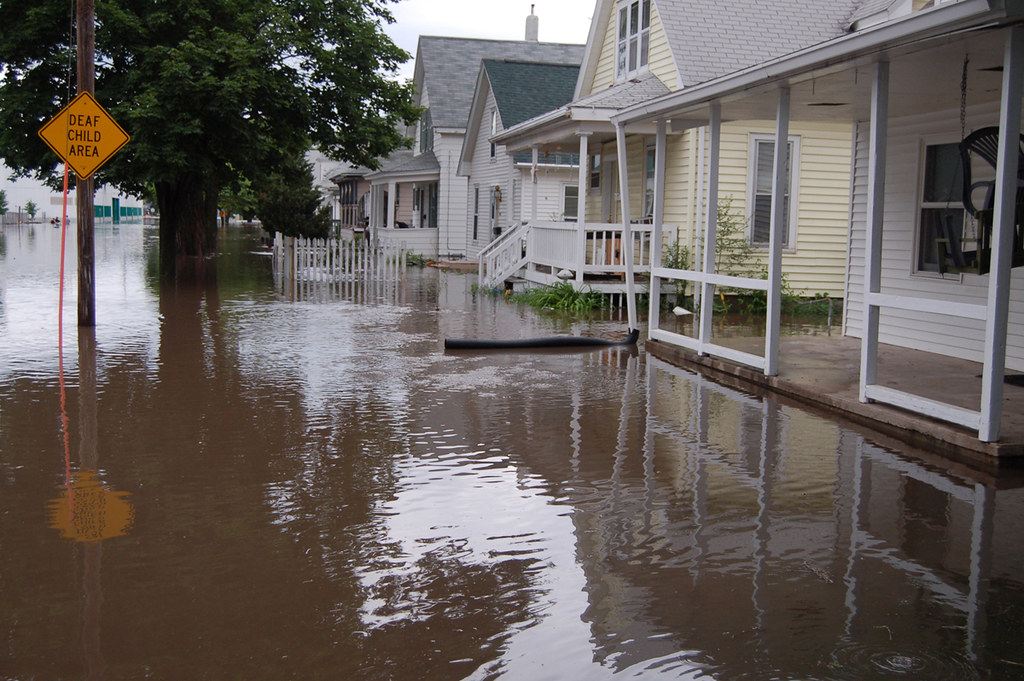
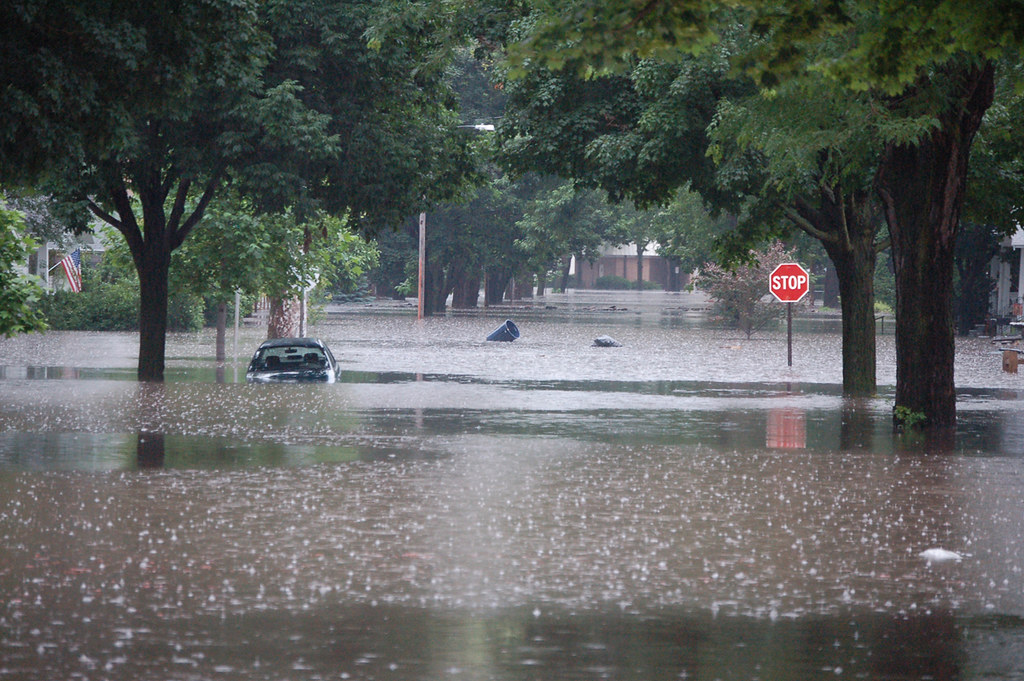
On the night of August 31, 2026, the National Weather Service Salt Lake City issued a Flash Flood Warning for Washington City and surrounding communities — effective from 10:56 PM MDT through 1:00 AM MDT on September 1. Homes and businesses across Hurricane, Ivins, Santa Clara, and Washington City experienced flooding, water intrusion, and property damage as a result.
The Disaster Repair Team (DRT) responded immediately and worked alongside affected residents and business owners throughout the recovery process. This page serves as a permanent resource for anyone impacted by that event — or any future flooding in the region — documenting what worked, what we learned, and how to move forward after a flood.
Still dealing with damage from this event or a more recent flood? We're here.
Call DRT 24/7: 385-287-6344
What Homeowners and Business Owners Did After the Flood (And What You Should Do Too)
In the hours and days following the September 2026 flash flood, the residents who recovered fastest were the ones who acted quickly and methodically. Here is the step-by-step approach that served our clients well — and that we recommend to anyone dealing with flood damage:
- Prioritize your family's safety first. Do not re-enter a flooded structure until authorities confirm it is safe to do so.
- Document everything with photos and video before moving or removing any damaged materials. This documentation is critical for your insurance claim.
- Do not enter structurally compromised areas. Floodwater can weaken foundations, floors, and walls in ways that are not immediately visible.
- Contact your insurance company as soon as possible to open a claim and understand your coverage. Ask about advance payments for temporary housing if your home was severely damaged.
- Call a professional restoration team immediately. Standing water and moisture begin causing secondary damage — including mold growth — within 24 to 48 hours. Early intervention saves money and protects your health.
Ready to start your recovery? Call DRT now: 385-287-6344
How DRT Responded to the September 2026 Flash Flood
When the flash flood warning was issued, DRT mobilized crews across Washington City, Hurricane, Ivins, and Santa Clara. Our team provided the following services in the days and weeks that followed:
- Emergency water extraction — removing standing water from affected structures as quickly as possible to limit damage
- Structural drying — deploying commercial-grade dehumidifiers and air movers to dry walls, subfloors, and framing
- Board-up and tarping — securing damaged properties to prevent additional exposure
- Mold remediation — identifying and treating mold growth that developed in the aftermath
- Smoke and soot removal — addressing secondary damage where applicable
- Full rebuild coordination — managing repairs from initial mitigation through complete restoration
- Direct insurance billing — working alongside adjusters and policyholders to streamline the claims process
DRT is a locally based team with deep roots in Washington County. We have responded to flooding events across this region before, and we understand the specific challenges that Southern Utah's desert flash flood geography presents — from wash surges to culvert overflows to red clay soil that repels water and accelerates runoff into neighborhoods.
Lessons Learned: What the September 2026 Flood Taught Us
Every major weather event leaves behind knowledge that helps communities prepare better for the next one. Here is what DRT and the homeowners we worked with took away from the September 2026 flash flood:
1. Flash floods move faster than people expect
The warning window was short — roughly two hours from issuance to expiration. Several homeowners were caught off guard by how quickly water entered their properties. Southern Utah's hard-packed desert soil does not absorb heavy rain well, meaning runoff accumulates and moves rapidly. Lesson: If a flash flood watch is issued, begin preparation immediately — do not wait for a warning.
2. Early water extraction makes a measurable difference
Properties where water was extracted within the first 12 hours experienced significantly less secondary damage than those where water sat for 24 hours or longer. Mold remediation costs and structural repair needs were both notably higher in delayed-response cases. Lesson: Calling a restoration team the same night — even at midnight — is almost always worth it.
3. Insurance documentation starts at the front door
Homeowners who photographed and video-recorded damage before touching anything had smoother, faster claims processes. Those who began cleanup before documenting sometimes faced pushback from adjusters. Lesson: Your phone is one of your most important recovery tools. Use it first.
4. Crawlspaces and subfloors are where problems hide
Some of the most significant damage from this event was not immediately visible. Water that infiltrated crawlspaces and settled beneath subfloors went undetected for days in several homes, leading to mold growth and wood rot. Lesson: Always have a professional inspect areas you cannot easily see after any flooding event.
5. Community preparation pays off
Neighborhoods with established communication channels — group texts, neighborhood apps, HOA contacts — were able to alert each other faster and coordinate faster responses. Lesson: Build your neighbor network before the next storm season.
DRT Serves Washington County — We Know This Area
Disaster Repair Team is not a national call center. We are a local restoration company that has served Hurricane, Ivins, Santa Clara, Washington City, St. George, and the surrounding communities through floods, fires, and other disasters. When you call us, you reach a team that has driven your streets, worked in your neighborhoods, and understands the specific construction styles, soil conditions, and weather patterns of Southern Utah.
We work directly with your insurance company and handle the coordination so you can focus on your family and your recovery.
Our Services Include:
- 24/7 Emergency Water Extraction
- Structural Drying and Moisture Mapping
- Mold Remediation and Testing
- Board-Up and Temporary Securing
- Smoke and Soot Removal
- Full Property Rebuild and Restoration
- Direct Insurance Billing and Claims Support
Call DRT any time, day or night: 385-287-6344
Flood Resources for Washington County Residents
- National Weather Service Salt Lake City: weather.gov/slc — Monitor current watches, warnings, and advisories
- Washington County Emergency Management: Contact your county emergency management office for disaster assistance resources
- FEMA Disaster Assistance: disasterassistance.gov — Apply for federal assistance if a disaster declaration is issued
- Utah Division of Emergency Management: dem.utah.gov
Contact DRT — Your Local Recovery Team
Whether you are still dealing with damage from the September 2026 flood, managing a newer water loss, or simply want to understand your options, DRT is ready to help. Our team has been through this before. We know what recovery looks like in Washington County, and we know how to get you there.
Call us 24/7: 385-287-6344
Serving Washington City, Hurricane, Ivins, Santa Clara, St. George, and all of Washington County, Utah.
Coverage and claim requirements depend on your policy and the cause of damage. Contact your insurer to confirm coverage before authorizing work. Keep photos and receipts when safe to do so.
Frequently Asked Questions
What should I do first?
Does insurance cover restoration?
How soon can restoration begin?
DRT serves Washington City and surrounding areas. View our full Washington City service area page for more about our restoration services in your area, or browse all service areas.
Need Help Now?
The Disaster Repair Team provides 24/7 emergency restoration services across Utah.
Request Help Online