Emergency Flood & Water Damage Restoration — Cedar City
- Recovery resources and next steps
- Insurance claim guidance
- Lessons learned for future prevention
- Professional restoration support
Mold can start growing within 24–48 hours of water exposure. Fast extraction and drying dramatically reduce secondary damage and health risks.
Live Conditions
Real-time weather radar for Utah
How DRT Helped Cedar City Recover from the August 2026 Flash Flood — A Local Recovery Case Study
Serving Cedar City, Enoch, Hurricane, and surrounding Iron & Washington County communities
On August 28, 2026, the National Weather Service Salt Lake City issued a Flash Flood Warning for the Cedar City area at 3:05 PM MDT, active through 6:00 PM MDT. In the hours and days that followed, the Disaster Repair Team (DRT) mobilized across Cedar City, Enoch, Hurricane, and nearby communities to help homeowners and businesses begin the road to recovery.
This page serves as a permanent resource for anyone affected by that event — or any future flooding in the region. If you are dealing with flood damage right now, our team is available 24/7.
Call DRT anytime: 385-287-6344
What the August 2026 Flash Flood Warning Meant for Local Residents
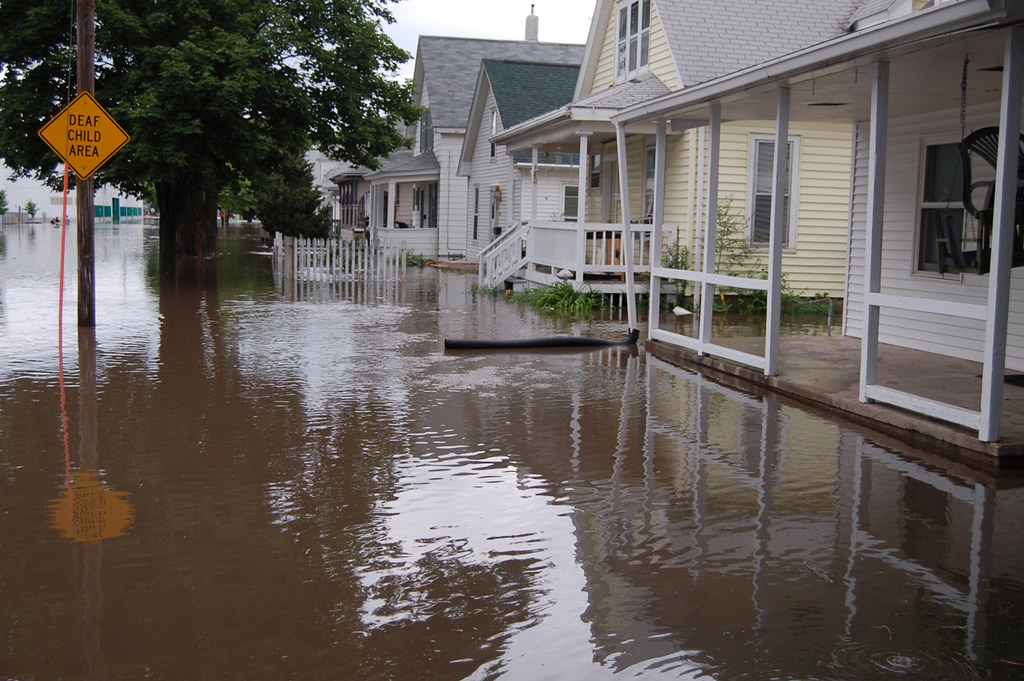
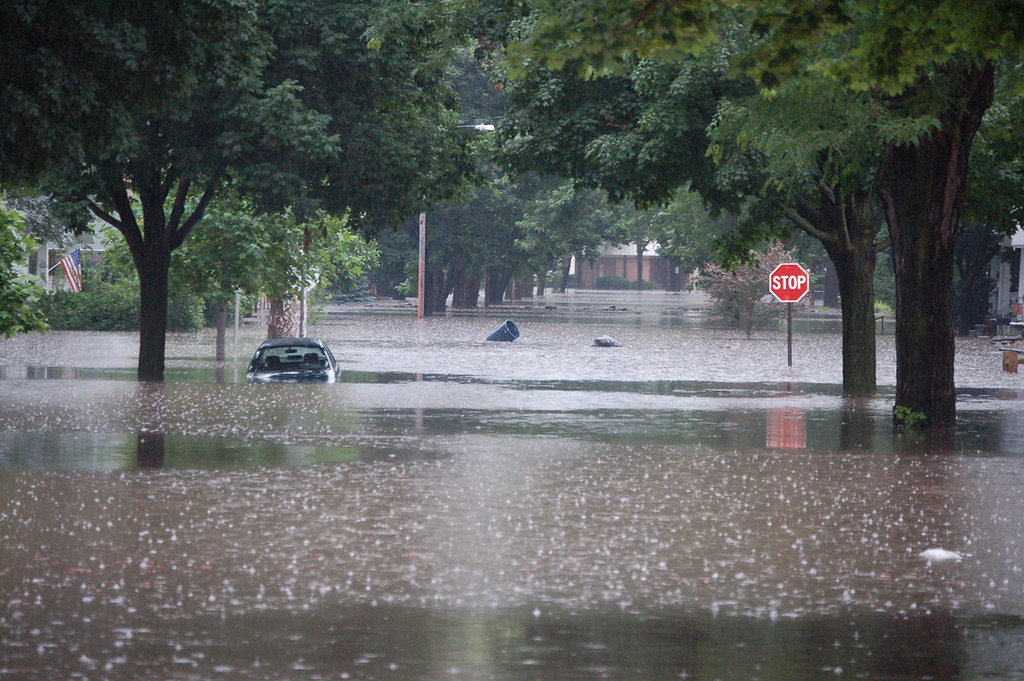
When the warning was issued, water moved fast. Residents across Cedar City and the surrounding area faced rapid inundation of basements, garages, crawl spaces, and ground-floor living areas. Many were caught off guard by how quickly standing water entered their homes — and how much damage it left behind even after the water receded.
DRT was on the ground within hours of the warning lifting, responding to calls from homeowners and property managers throughout Iron and Washington Counties.
What Residents Were Advised to Do — And Why It Mattered
In the immediate aftermath of the August 2026 flood, the most important steps residents could take were straightforward, but easy to overlook in the chaos of the moment. Here is what we consistently advised — and what made a real difference in outcomes:
- Prioritize family safety first. Before assessing damage, residents needed to confirm everyone was safe and away from any areas where structural integrity was in question.
- Document everything with photos and video. Thorough documentation taken before any cleanup began proved essential for insurance claims. Residents who skipped this step often faced delayed or reduced payouts.
- Avoid entering structurally compromised areas. Floodwater can weaken floors, walls, and foundations in ways that are not immediately visible. Caution saved injuries.
- Contact your insurance company promptly. Early notification opened claims faster and allowed DRT to begin working directly with adjusters without delay.
- Call DRT for professional water extraction and drying. The faster standing water and moisture were removed, the less secondary damage — mold, warping, and odor — residents faced in the weeks that followed.
Need help now or have questions about a current situation? Call us: 385-287-6344
How DRT Responded After the August 2026 Flood
DRT provided comprehensive emergency restoration services throughout the affected area, including:
- 24/7 emergency water extraction — removing standing water from homes and businesses as quickly as possible to limit damage
- Structural drying — industrial dehumidifiers and air movers deployed to dry walls, subfloors, and building cavities
- Board-up and tarping — securing properties where doors, windows, or roofing were compromised
- Mold remediation — addressing mold growth that developed in the weeks following initial water intrusion
- Smoke and soot removal — for any properties that experienced fire-related damage alongside flooding
- Full rebuild coordination — managing repairs from initial damage through finished reconstruction
- Direct insurance billing and coordination — working hand-in-hand with insurance adjusters so residents could focus on their families, not paperwork
Lessons Learned: What the August 2026 Flood Taught Cedar City Homeowners
Having worked with dozens of families and businesses in the aftermath of this event, DRT identified several consistent themes. These lessons are worth knowing before the next storm arrives.
1. Speed is everything with water damage.
Mold can begin to develop within 24–48 hours of water intrusion. Residents who called DRT within the first few hours of damage consistently experienced less secondary damage and lower total restoration costs than those who waited, even by just a day or two.
2. DIY drying is rarely enough.
Many residents ran box fans and household dehumidifiers and believed the space was dry. In several cases, moisture remained trapped inside walls and under flooring — discovered weeks later when mold appeared. Professional moisture mapping and industrial drying equipment are not optional in significant flooding events.
3. Documentation before cleanup is non-negotiable.
Insurance claims were smoother and faster for residents who had extensive photo and video documentation of damage before any water was removed or items were discarded. Even in an emergency, five to ten minutes of thorough documentation pays dividends.
4. Working with a restoration company that handles insurance directly reduces stress.
Residents who had DRT communicate directly with their insurance adjusters reported significantly less confusion and fewer out-of-pocket surprises. Restoration and insurance processes are deeply intertwined — having a single point of contact matters.
5. Flood risk in Cedar City, Enoch, and Hurricane is real and recurring.
The geography of Iron and Washington Counties — including proximity to Hurricane Cliffs, the Virgin River corridor, and seasonal storm patterns — means flash flooding is not a one-time event. Residents who experienced the August 2026 flood and took steps to improve drainage, inspect crawl spaces, and establish a plan fared better in subsequent weather events.
6. Know your restoration team before you need them.
Having DRT's number saved in your phone before a storm hits means faster response when minutes matter. We encourage every Cedar City area homeowner to save our number now.
Save this number: 385-287-6344 — DRT is available 24/7.
DRT: Southern Utah's Experienced Local Restoration Team
The Disaster Repair Team has been through flash floods, water intrusion events, and large-scale weather disasters across Cedar City, Enoch, Hurricane, St. George, and the broader Iron and Washington County area. We are not a national call center that dispatches strangers — we are a local team that knows these communities, works with local insurers, and has a track record in your neighborhood.
When the August 2026 flood warning came through, we were already preparing to mobilize. That is how we operate: ready before the calls come in, responsive when they do, and committed to seeing every project through from first extraction to final walkthrough.
If you experienced damage during the August 2026 flood and have not yet completed your restoration, or if you are facing a new water or flood damage situation, we are ready to help.
Call DRT now: 385-287-6344
Available 24 hours a day, 7 days a week — including nights, weekends, and holidays.
We work directly with your insurance company.
Frequently Asked Questions About Flood Recovery in Cedar City
How long does flood restoration take?
It depends on the extent of damage. Water extraction and initial drying typically take 3–5 days. Full structural repairs and rebuild can range from a few weeks to a few months for significant damage. DRT provides a clear timeline estimate after the initial assessment.
Will my homeowner's insurance cover flash flood damage?
Standard homeowner's insurance policies typically do not cover flooding from external water sources — that usually requires a separate flood insurance policy through the NFIP or a private carrier. However, damage from sudden water intrusion through a failed roof, burst pipe, or similar internal source may be covered. DRT can help you understand what your policy likely covers and work directly with your adjuster.
Is mold a concern after flooding in Southern Utah?
Yes. Despite the region's dry climate, enclosed spaces with trapped moisture — particularly basements, crawl spaces, and wall cavities — can develop mold quickly after flooding. DRT's moisture mapping process identifies hidden moisture before mold becomes a larger problem.
Do you serve areas outside Cedar City?
Yes. DRT serves Cedar City, Enoch, Hurricane, St. George, Parowan, Brian Head, and communities throughout Iron and Washington Counties.
More questions? Call us directly: 385-287-6344
```Most homeowner policies cover sudden water damage (burst pipes, appliance failures). Natural flooding typically requires separate flood insurance. Either way, DRT documents everything from day one — moisture readings, photos, scope of work — so your claim is supported whether it goes through your standard policy or a flood policy.
Frequently Asked Questions
How quickly does mold grow after flooding?
Will my homeowner's insurance cover flood damage restoration?
What should I NOT do after my home floods?
How quickly can DRT respond?
Do I need to file my insurance claim before calling DRT?
DRT serves Cedar City and surrounding areas. View our full Cedar City service area page for more about our restoration services in your area, or browse all service areas.
Need Help Now?
The Disaster Repair Team provides 24/7 emergency restoration services across Utah.
Request Help Online