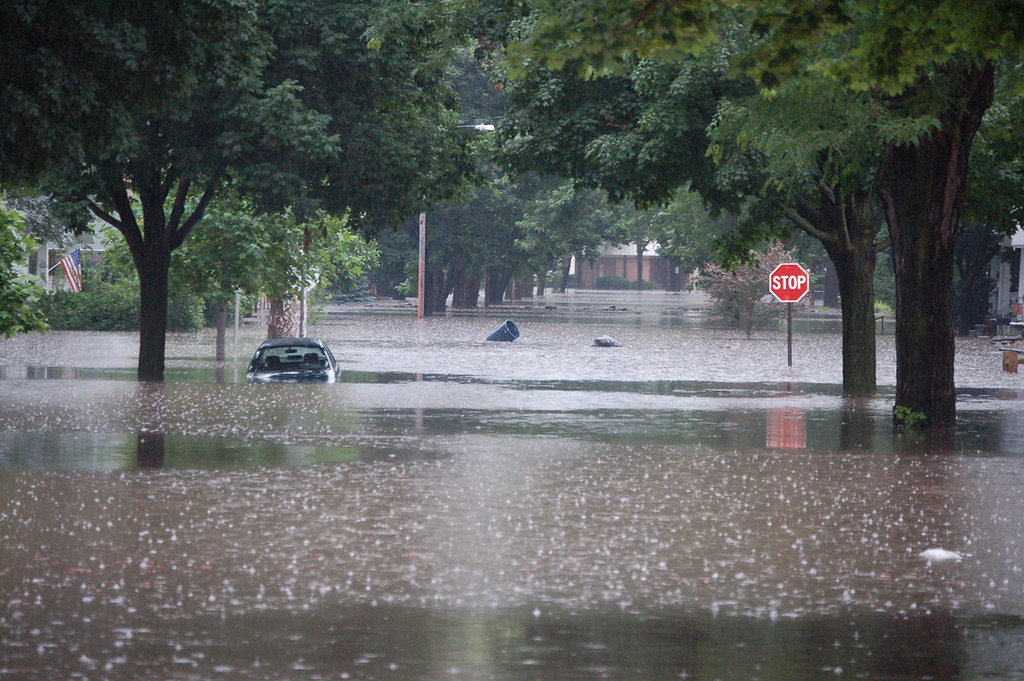
August 2026 Flash Flood Warning — Cedar City, Enoch, Hurricane & more — Emergency Restoration
- Recovery resources and next steps
- Insurance claim guidance
- Lessons learned for future prevention
- Professional restoration support
Mold can start growing within 24–48 hours of water exposure. Fast extraction and drying dramatically reduce secondary damage and health risks.
Live Conditions
Real-time weather radar for Utah
- Do NOT stand in water near electrical outlets or appliances
- Shut off main water supply if the source is a pipe or appliance
- Turn off electricity to affected areas at the breaker — only if safe to reach
- Do NOT use household vacuums on standing water
- Move to higher ground if water is rising rapidly
How DRT Helped Utah Recover from the August 2026 Flash Flood — Cedar City, Enoch, Hurricane & Surrounding Areas
On August 28, 2026, the National Weather Service in Salt Lake City issued a Flash Flood Warning at 3:05 PM MDT for communities across southern Utah, including Cedar City, Enoch, Hurricane, and neighboring areas. The warning remained in effect until 6:00 PM MDT, and in those hours — and the days that followed — the Disaster Repair Team responded to dozens of homes and businesses impacted by rushing water, saturated foundations, and structural damage.
This page serves as a permanent recovery resource and case study drawn from that event. Whether you're researching flood preparedness, navigating insurance after a water loss, or looking for a restoration team with real local experience, this guide reflects what we learned on the ground.
If you're dealing with flood or water damage right now, we're still here: 385-287-6344
What Affected Residents Did (and What You Should Do After Any Flood)
In the immediate aftermath of the August 2026 event, the homeowners and business owners who fared best followed a clear set of steps. Here's what worked:
- Prioritized family safety first. Before assessing property damage, residents confirmed that everyone was accounted for and moved away from areas with standing water or structural concerns.
- Documented all damage thoroughly. Photos and video recorded before any cleanup began proved essential during insurance claims. Time-stamped documentation from multiple angles helped adjusters process claims faster.
- Avoided structurally compromised areas. Flash flooding can weaken floors, walls, and foundations in ways that aren't immediately visible. Residents who waited for a professional assessment avoided secondary injuries.
- Contacted their insurance company early. Filing notice quickly — even before knowing the full scope of damage — helped keep claims on track and timelines moving.
- Called DRT for emergency restoration. Early intervention dramatically reduced the extent of mold growth and structural deterioration. Call us: 385-287-6344
How DRT Responded
When the August 2026 warning was issued, DRT teams were already staged and ready. In the hours and days that followed, we deployed across the affected region providing:
- Emergency water extraction — removing standing water quickly to limit absorption into subfloors, drywall, and framing
- Structural drying — industrial air movers and dehumidifiers run continuously until moisture readings returned to safe levels
- Board-up and tarping — securing damaged structures against further exposure
- Mold remediation — catching early microbial growth before it spread
- Full rebuild coordination — managing repairs from initial mitigation through finished restoration
- Direct insurance billing — working with adjusters so homeowners could focus on their families, not paperwork
Lessons Learned: What the August 2026 Flood Taught Us
Every major event leaves our team better prepared for the next one. Here are the most important takeaways from the August 2026 southern Utah flash flood response:
1. Time is the most expensive variable in water damage.
Homes where water sat for 24–48 hours before extraction began consistently required more extensive remediation — including full drywall removal and subfloor replacement — compared to properties where mitigation started within hours. If you ever face flooding again, call immediately. Don't wait to see if things dry on their own.
2. Flash floods affect more than the lowest floors.
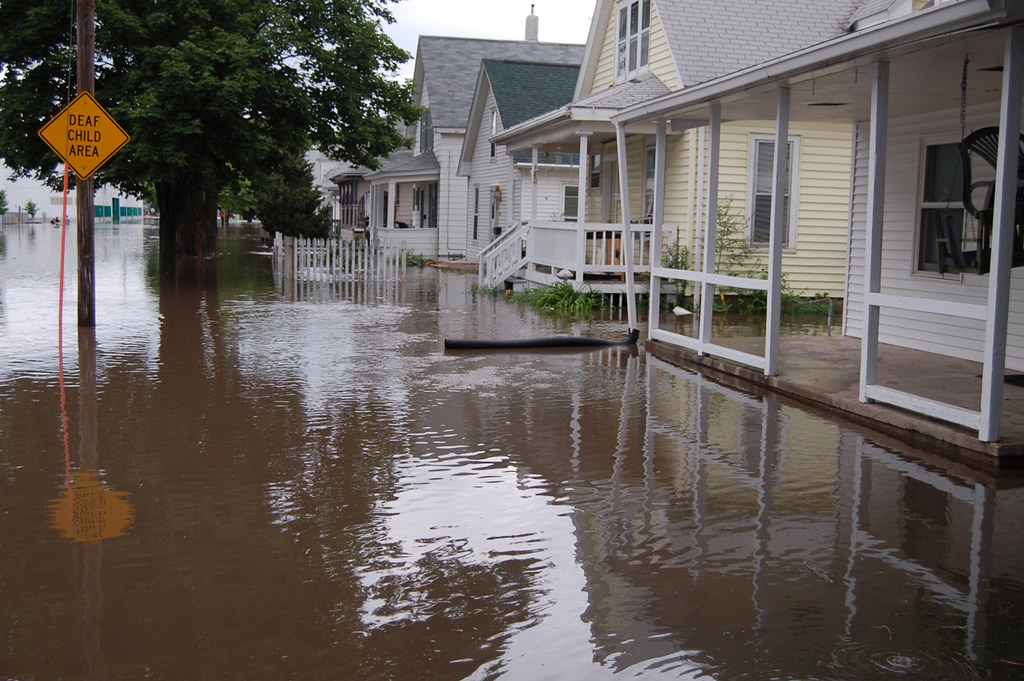
Several Cedar City and Enoch properties experienced water intrusion through window wells, garage doors, and HVAC penetrations — not just ground-level entry points. A post-flood inspection should cover every potential entry point, not just the obvious ones.
3. Documentation wins insurance claims.
Homeowners who photographed damage before moving anything — including ruined furniture, saturated insulation, and water lines on walls — received faster, more complete settlements. Those who cleaned up first often struggled to prove the full extent of their loss.
4. Southern Utah's soil conditions accelerate moisture problems.
The clay-heavy soils common in the Cedar City and Hurricane areas retain moisture and can push it back into foundations long after surface water recedes. Structural drying timelines in this region often run longer than national averages, and monitoring must continue even after conditions look dry to the eye.
5. Having a restoration team's number saved before a disaster makes a real difference.
During the August 2026 event, the customers who called us within the first hour were almost always past clients or neighbors of past clients — people who already had our number. Save it now: 385-287-6344.
DRT: Southern Utah's Experienced Local Restoration Team
The August 2026 flood wasn't the first time DRT responded to a major weather event in this region — and it won't be the last. Our teams are based here. We know how southern Utah builds, how its soil behaves, how its storms move, and how its insurance adjusters work. That local knowledge has made a measurable difference for hundreds of property owners across Cedar City, Enoch, Hurricane, and the surrounding communities.
We offer 24/7 emergency response year-round — not just during declared disasters. Whether you're dealing with the aftermath of a named event or a slow leak that went unnoticed for weeks, the process and the team are the same.
Ready to talk through your situation? Call anytime: 385-287-6344
We work directly with your insurance company, respond around the clock, and have the experience to see your restoration through from first extraction to final rebuild.
```Affected Areas
Select a city for location-specific emergency information and restoration resources.
What to Expect When You Call
Here's how DRT responds to emergency calls:
Need Help Now?
The Disaster Repair Team provides 24/7 emergency restoration services across Utah.
Request Help Online