Emergency Flood & Water Damage Restoration — Santa Clara
- Recovery resources and next steps
- Insurance claim guidance
- Lessons learned for future prevention
- Professional restoration support
Mold can start growing within 24–48 hours of water exposure. Fast extraction and drying dramatically reduce secondary damage and health risks.
Live Conditions
Real-time weather radar for Utah
How DRT Helped Santa Clara Recover from the August 2026 Flash Flood — A Local Recovery Case Study
Serving Cedar City, Enoch, Hurricane, Santa Clara, and surrounding Southern Utah communities
About This Event
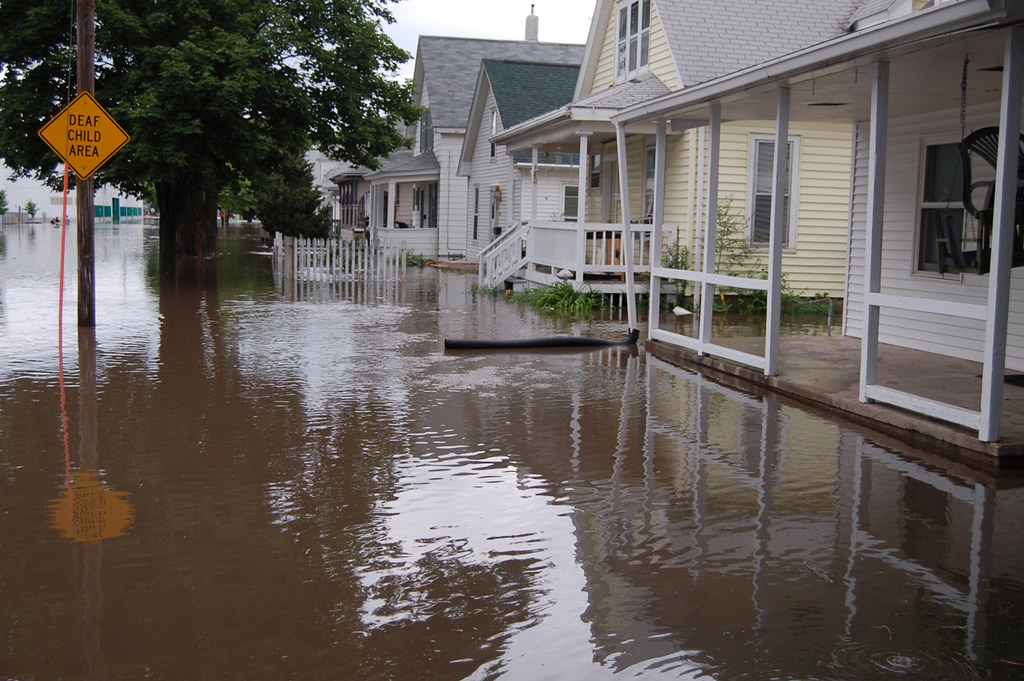
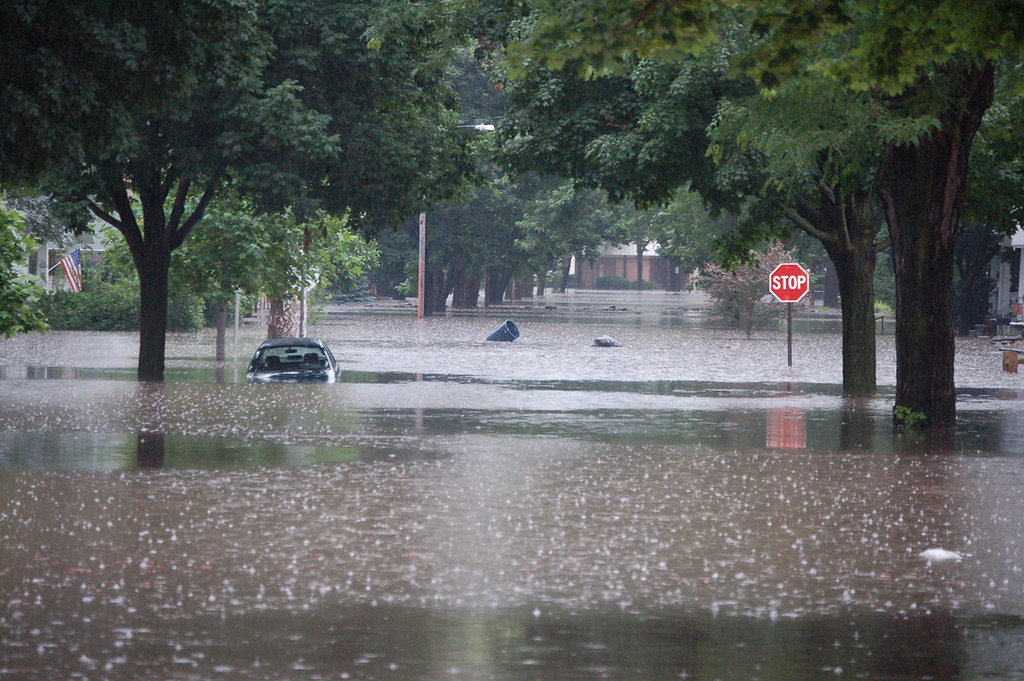
On August 28, 2026, the National Weather Service Salt Lake City issued a Flash Flood Warning for Santa Clara and surrounding areas, effective from 3:05 PM MDT through 6:00 PM MDT. In the hours and days that followed, homes and businesses across the region experienced water intrusion, structural damage, and the beginning of what — without fast action — can become a long-term mold and structural problem.
The Disaster Repair Team (DRT) responded immediately, mobilizing crews across Cedar City, Enoch, Hurricane, Santa Clara, and neighboring communities. This page documents what happened, what worked, and what every Southern Utah property owner should know before the next storm hits.
If you're still dealing with damage from this event or a similar flood, we're still here. Call us now: 385-287-6344
What Affected Residents Did Right — And What You Should Do After Any Flood
The homeowners and business owners who fared best in the August 2026 flood response were the ones who acted quickly and methodically. Here's the step-by-step approach that made the biggest difference:
- Prioritized family safety first — Residents who waited for official all-clear signals before re-entering properties avoided injuries from unstable structures and hidden hazards.
- Documented all damage immediately with photos and video — Thorough documentation before any cleanup began was critical to successful insurance claims. Timestamped photos and video walkthroughs became the foundation of every claim we helped coordinate.
- Avoided structurally compromised areas — Flood-weakened floors, walls, and foundations are not always visually obvious. Residents who stayed out of suspect areas and let DRT assess first avoided preventable accidents.
- Contacted their insurance company early — Opening a claim quickly kept the process moving and gave adjusters time to respond while damage evidence was still fresh.
- Called DRT for emergency extraction and drying without delay — Every hour of standing water increases the risk of mold growth and structural deterioration. The fastest recoveries we saw came from properties where extraction began within the first 24 hours.
Dealing with flood damage now? Don't wait. Call DRT: 385-287-6344
How DRT Responded — Services Deployed in August 2026
When the flood warning was issued, DRT crews were already staging equipment and mapping response routes. In the days that followed, we provided the full range of emergency and restoration services that Southern Utah properties required:
- Emergency water extraction — Rapid removal of standing water from affected homes and commercial properties
- Structural drying — Industrial dehumidifiers and air movers deployed to prevent secondary moisture damage inside walls, floors, and ceilings
- Board-up and property securing — Protecting compromised structures from weather and unauthorized entry during the restoration process
- Mold remediation — Addressing mold that had already begun to develop in properties where water sat for more than 24–48 hours
- Smoke and soot removal — For properties affected by fire hazards that accompanied the storm event
- Full rebuild coordination — From damaged drywall and flooring to structural repairs, DRT managed the complete restoration process
- Direct insurance coordination — Our team worked directly with insurance adjusters, providing documentation, scope-of-work reports, and communication support so homeowners didn't have to navigate that process alone
Lessons Learned — What the August 2026 Flood Taught Southern Utah Homeowners
Every disaster response teaches us something. Here's what we and the community learned from the August 2026 Santa Clara flash flood event:
1. Flash floods move faster than people expect
The warning window — from issuance to expiration — was less than three hours. Properties that experienced the worst damage were often ones where owners assumed they had more time. In Southern Utah's desert terrain, water volumes can escalate within minutes.
2. Mold doesn't wait for your schedule
Several property owners who delayed calling for professional drying — even by just 48–72 hours — faced mold remediation costs that far exceeded what prompt water extraction would have cost. Speed is the single biggest variable in flood recovery outcomes.
3. DIY drying is rarely enough
Consumer fans and dehumidifiers cannot reach moisture trapped inside wall cavities, subfloors, and insulation. Properties where owners attempted to dry on their own before calling us consistently showed elevated moisture readings in structural materials — leading to longer and more expensive remediation.
4. Documentation wins insurance claims
The homeowners who received the smoothest insurance settlements were those with thorough pre-cleanup photo and video documentation. If you experience a flood, document everything before touching anything.
5. Having a restoration contact in advance matters
In the immediate aftermath of the August 2026 event, call volumes were high. Homeowners who already had DRT's number saved — or who had worked with us before — got faster response times. We encourage every Southern Utah homeowner to save our number before they need it.
6. Local experience is irreplaceable
Southern Utah's soil composition, drainage patterns, and construction styles create specific flood damage profiles that out-of-region contractors aren't prepared for. DRT's crews live and work in these communities. We know what to look for — and where to look for it — because we've seen it before.
Serving All of Southern Utah
DRT has provided emergency flood response and restoration services across the region, including:
- Cedar City
- Enoch
- Hurricane
- Santa Clara
- St. George
- Washington City
- Ivins
- La Verkin
- And surrounding communities
Still Dealing with Flood Damage? DRT Is Ready.
Whether you're responding to a recent event or dealing with the lingering effects of a past flood — hidden moisture, mold, or structural damage that wasn't fully addressed — DRT is the experienced local team that has been through this before. We provide 24/7 emergency restoration services and work directly with your insurance company from first call to final walkthrough.
Call DRT now for a free assessment: 385-287-6344
Available 24 hours a day, 7 days a week. No job too large or too small. Southern Utah's trusted restoration team — before, during, and after the storm.
```Most homeowner policies cover sudden water damage (burst pipes, appliance failures). Natural flooding typically requires separate flood insurance. Either way, DRT documents everything from day one — moisture readings, photos, scope of work — so your claim is supported whether it goes through your standard policy or a flood policy.
Frequently Asked Questions
How quickly does mold grow after flooding?
Will my homeowner's insurance cover flood damage restoration?
What should I NOT do after my home floods?
How quickly can DRT respond?
Do I need to file my insurance claim before calling DRT?
DRT serves Santa Clara and surrounding areas. View our full Santa Clara service area page for more about our restoration services in your area, or browse all service areas.
Need Help Now?
The Disaster Repair Team provides 24/7 emergency restoration services across Utah.
Request Help Online