Emergency Flood & Water Damage Restoration — Enoch
- Recovery resources and next steps
- Insurance claim guidance
- Lessons learned for future prevention
- Professional restoration support
Mold can start growing within 24–48 hours of water exposure. Fast extraction and drying dramatically reduce secondary damage and health risks.
Live Conditions
Real-time weather radar for Utah
How DRT Helped Enoch Recover from the August 2026 Flash Flood — A Local Recovery Guide for Cedar City, Enoch, Hurricane & Surrounding Areas
On August 28, 2026, the National Weather Service Salt Lake City issued a Flash Flood Warning at 3:05 PM MDT, affecting Enoch, Cedar City, Hurricane, and surrounding Iron and Washington County communities. The warning remained in effect until 6:00 PM MDT that evening. In the hours and days that followed, Disaster Repair Team (DRT) responded to dozens of affected homes and businesses across the region.
This page serves as a lasting resource for anyone who experienced flood damage during this event — or any flooding event in Southern Utah. If you are still dealing with the aftermath, our team is ready to help.
Call DRT anytime, 24/7: 385-287-6344
What the August 28, 2026 Flash Flood Looked Like on the Ground
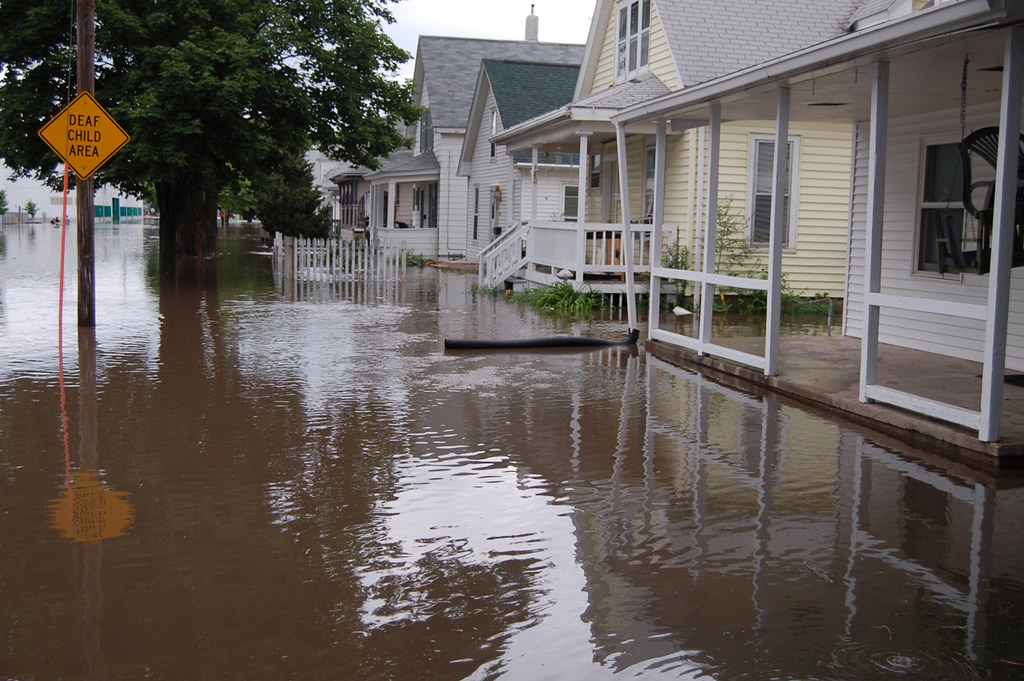
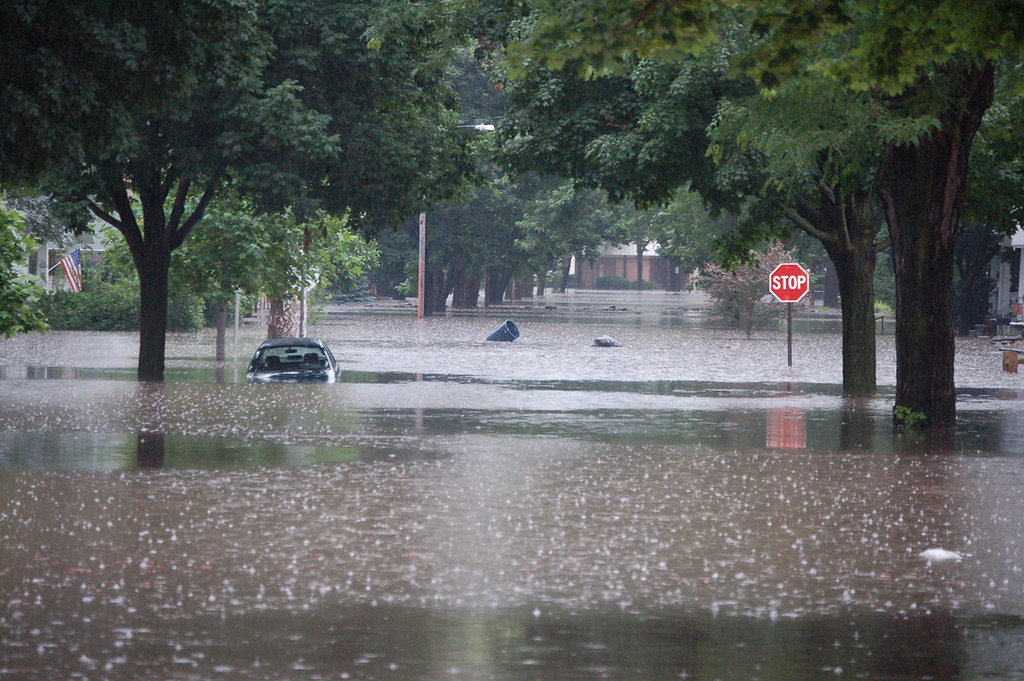
Flash flooding in Southern Utah can escalate rapidly, especially in late-summer monsoon season when saturated soils and canyon drainage systems are already stressed. During this event, water entered homes and commercial properties through garages, crawl spaces, and low-lying entry points. Many property owners reported water intrusion within minutes of the storm's peak intensity. Roads in and around Enoch became temporarily impassable, and several neighborhoods experienced mud and debris flow alongside standing water.
DRT crews were staged and responding before the warning had expired.
What Homeowners Did Right: A Step-by-Step Recovery Checklist
The property owners who saw the best outcomes took these steps quickly and in the right order. Use this checklist if you are recovering from this event or any future flood:
- Prioritized family safety first. Before assessing damage, residents who fared best made sure all household members were on safe, dry ground and accounted for.
- Documented all damage immediately with photos and video. Thorough documentation — taken before any cleanup began — was critical for insurance claims. Every affected room, wall, floor, appliance, and personal item was photographed.
- Avoided structurally compromised areas. Floodwater can undermine foundations, weaken flooring, and conceal electrical hazards. Homeowners who waited for a professional assessment avoided potentially serious injuries.
- Contacted their insurance company promptly. Early contact with insurers helped establish claim timelines and set expectations for coverage. DRT worked directly with adjusters on behalf of many policyholders.
- Called DRT for emergency restoration without delay. The faster water extraction begins, the lower the risk of secondary damage including mold growth, which can begin within 24–48 hours of exposure. Call DRT: 385-287-6344
How DRT Responded: Services Deployed During the August 2026 Event
DRT provided full-spectrum emergency restoration services throughout the affected area. Here is what that looked like in practice:
- Water Extraction: Industrial pumps and wet-vacs removed standing water from basements, crawl spaces, main floors, and garages.
- Structural Drying: Commercial-grade air movers and dehumidifiers were placed throughout affected structures to dry wall cavities, subfloors, and framing — preventing long-term moisture damage.
- Moisture Monitoring: DRT technicians returned on subsequent days to track drying progress with calibrated meters and adjust equipment as needed.
- Board-Up and Tarping: Properties with compromised windows, doors, or roofing received protective board-up services to prevent additional weather intrusion and unauthorized entry.
- Mold Remediation: For properties where response was delayed or moisture was trapped, DRT performed certified mold remediation to protect indoor air quality and structural integrity.
- Full Rebuild Coordination: Once mitigation was complete, DRT's reconstruction team coordinated repairs — from drywall and flooring to cabinetry and painting — so homeowners dealt with one point of contact from start to finish.
- Insurance Claim Assistance: DRT worked directly with insurance carriers, providing documentation, moisture logs, and scopes of work to support smooth and fair claim resolution.
Ready to get started or still dealing with damage? Call us 24/7: 385-287-6344
Lessons Learned: What This Event Taught Southern Utah Homeowners
Having responded to this flood and many others across Cedar City, Enoch, Hurricane, St. George, and the broader region, DRT's team came away with clear takeaways that every Southern Utah property owner should know.
1. Monsoon Season Demands Advance Preparation
Southern Utah's late-summer monsoon pattern produces some of the most unpredictable and intense flash flooding in the country. Homeowners who had already cleared drainage channels, inspected window wells, and confirmed sump pump function experienced significantly less damage than those who hadn't.
2. The First 24 Hours Are the Most Critical
Water damage is not static. Every hour that standing water remains in contact with drywall, insulation, wood framing, and flooring increases the scope — and the cost — of restoration. Properties where DRT began extraction within hours of the flood consistently required less demolition and rebuilding than those where response was delayed by even a day.
3. "It Looks Dry" Does Not Mean It Is Dry
Several homeowners attempted their own cleanup with household fans and wet-vacs, then assumed the problem was resolved when surfaces appeared dry to the touch. In many of these cases, moisture had wicked into wall cavities and subfloor assemblies where it continued to promote mold growth undetected. Professional moisture readings told a different story. If you are unsure, call for a free assessment.
4. Insurance Works Best When You Have a Professional Advocate
Homeowners who engaged DRT early — before submitting their claim independently — benefited from DRT's experience working with adjusters and understanding policy language. Proper documentation of scope and cause made a measurable difference in claim outcomes.
5. Mold Risk in Southern Utah Is Real, Even in a Dry Climate
Many Southern Utah residents assume the desert climate protects them from mold. It does not — at least not when moisture is trapped inside a structure. The combination of summer heat and flood moisture creates ideal mold conditions. Early remediation is far less costly than addressing an established mold problem weeks later.
6. Local Matters
DRT's crews live and work in Southern Utah. During the August 2026 event, that meant faster response times, familiarity with local construction styles and soil conditions, and a genuine stake in the community's recovery. We were not dispatched from out of state — we were already here.
Still Dealing with Damage from This Event?
If you experienced flooding on or after August 28, 2026 and have not yet fully addressed the damage — whether you are seeing new mold, persistent odors, warped flooring, or unresolved insurance issues — it is not too late to get help. DRT offers free assessments and can often identify secondary damage that was missed in initial cleanup attempts.
Call DRT 24/7 for emergency and ongoing restoration services:
385-287-6344
We serve Enoch, Cedar City, Hurricane, St. George, Parowan, Beaver, and communities throughout Iron and Washington Counties.
About Disaster Repair Team
DRT is Southern Utah's locally owned and operated emergency restoration company. We have responded to flash floods, pipe bursts, fire damage, and mold events across the region for years. Our technicians are IICRC-certified, and we work directly with all major insurance carriers. When disaster happens, we are the team that is already on the ground — because this is where we live.
Call 385-287-6344 — available 24 hours a day, 7 days a week.
```Most homeowner policies cover sudden water damage (burst pipes, appliance failures). Natural flooding typically requires separate flood insurance. Either way, DRT documents everything from day one — moisture readings, photos, scope of work — so your claim is supported whether it goes through your standard policy or a flood policy.
Frequently Asked Questions
How quickly does mold grow after flooding?
Will my homeowner's insurance cover flood damage restoration?
What should I NOT do after my home floods?
How quickly can DRT respond?
Do I need to file my insurance claim before calling DRT?
DRT serves Enoch and surrounding areas. View our full Enoch service area page for more about our restoration services in your area, or browse all service areas.
Need Help Now?
The Disaster Repair Team provides 24/7 emergency restoration services across Utah.
Request Help Online