Emergency Flood & Water Damage Restoration — Parowan
- Recovery resources and next steps
- Insurance claim guidance
- Lessons learned for future prevention
- Professional restoration support
Mold can start growing within 24–48 hours of water exposure. Fast extraction and drying dramatically reduce secondary damage and health risks.
Live Conditions
Real-time weather radar for Utah
How DRT Helped Parowan Recover from the August 2026 Flash Flood — A Recovery Case Study & Resource Guide
Serving Cedar City, Enoch, Hurricane, Parowan, and surrounding Iron & Washington County communities.
On August 28, 2026, the National Weather Service Salt Lake City issued a Flash Flood Warning for the Parowan area at 3:05 PM MDT. Within hours, homes and businesses across the region were dealing with water intrusion, structural damage, and the overwhelming task of figuring out what to do next. The Disaster Repair Team (DRT) was on the ground responding — and this page documents what happened, what we learned, and what any property owner in Southern Utah should know if it happens again.
If you are dealing with flood or water damage right now, don't wait. Our team is available 24/7.
Call DRT anytime: 385-287-6344
What the August 2026 Flash Flood Looked Like on the Ground
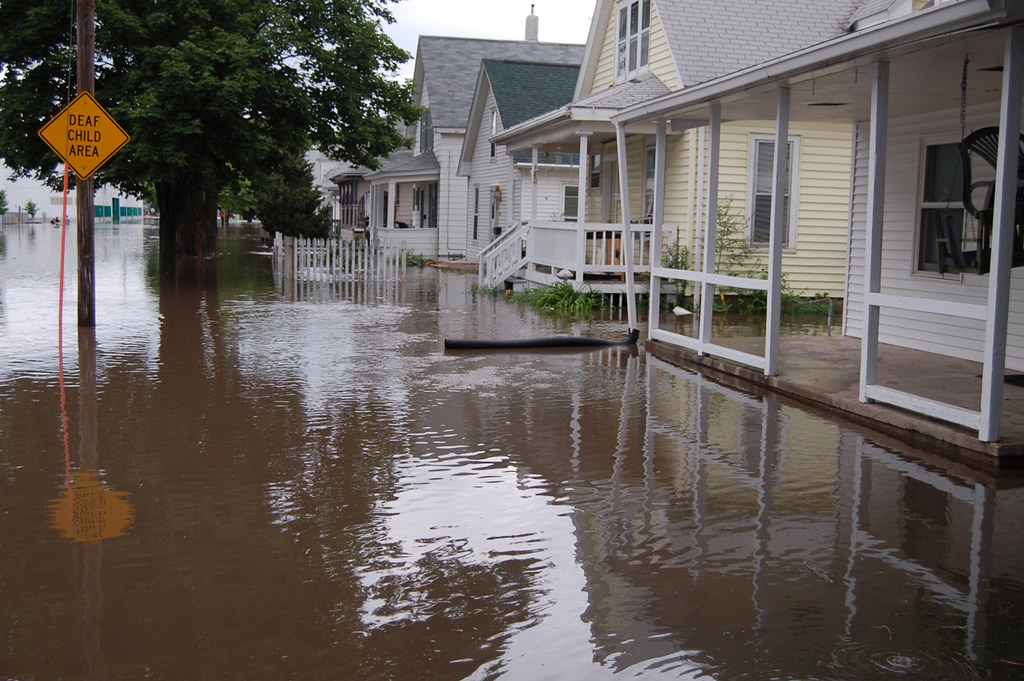
The warning was issued for a three-hour window — 3:05 PM to 6:00 PM MDT — but the damage it left behind took days, weeks, and in some cases months to fully address. Flash floods in Utah's high desert move fast and carry debris, sediment, and contaminants that compound the damage beyond simple water intrusion. Properties in Parowan, Cedar City, Enoch, and Hurricane all reported varying degrees of impact, from flooded basements and crawl spaces to compromised foundations and saturated wall cavities.
DRT mobilized immediately, coordinating water extraction, structural assessments, and insurance documentation across multiple job sites simultaneously.
What Property Owners Did Right (and What to Do If It Happens Again)
The homeowners and business owners who fared best in the aftermath of the August 2026 flood followed a clear set of steps. Here is what worked — and what every property owner in Southern Utah should know before the next event:
- Prioritized family and personal safety first. No property is worth risking injury. Residents who waited for floodwaters to fully recede before re-entering their homes avoided dangerous structural and electrical hazards.
- Documented all damage immediately with photos and video. Thorough documentation — room by room, before any cleanup — was critical for insurance claims. The more evidence captured early, the smoother the claims process.
- Avoided structurally compromised areas. Flash flood water can undermine foundations and weaken walls quickly. Property owners who identified and cordoned off damaged areas before re-occupying prevented secondary injuries.
- Contacted their insurance company promptly. Early notification started the claims clock and gave adjusters the time they needed to respond. DRT worked directly alongside adjusters on many of these jobs, streamlining the process significantly.
- Called DRT quickly — within the first 24 to 48 hours. Water damage compounds rapidly. Mold can begin developing within 24 to 72 hours of a flood event. The property owners who called early experienced less secondary damage and lower overall restoration costs.
Facing water or flood damage now? Call us: 385-287-6344
How DRT Responded — Services Deployed After the August 2026 Flood
DRT provided comprehensive emergency and long-term restoration services across the affected region, including:
- Emergency water extraction — truck-mounted and portable extraction equipment deployed to flooded basements, main floors, and crawl spaces
- Structural drying — industrial air movers and dehumidifiers to dry wall cavities, subfloors, and framing before mold could establish
- Board-up and property securing — protecting compromised structures from further exposure and unauthorized entry
- Mold remediation — for properties where drying was delayed or water had saturated porous materials
- Debris and sediment removal — flash flood water carries soil, gravel, and contaminants that require specialized cleanup
- Full rebuild coordination — from framing and drywall to flooring and finish work, DRT managed the complete restoration process
- Direct insurance billing and adjuster coordination — reducing the administrative burden on property owners during an already stressful time
DRT is licensed, insured, and experienced in Southern Utah's specific climate, soil, and building conditions. We have been through flood events like this before — and we know what it takes to restore properties correctly the first time.
Lessons Learned — What the August 2026 Flood Taught Us
Every major weather event teaches us something. Here is what DRT and the communities we serve took away from the August 2026 Parowan flash flood:
1. Flash floods in Southern Utah carry more than water
The region's desert terrain means floodwater picks up sediment, debris, and organic material rapidly. Properties that looked like they had minor water intrusion often had significant contamination that required professional remediation, not just drying.
2. Speed of response is the single biggest variable in restoration cost
Across the jobs DRT handled after this event, the clearest pattern was this: the faster a property owner called, the less total damage they sustained. Water that sits for 72 hours or more creates mold and structural problems that dwarf the original flood damage.
3. Crawl spaces and wall cavities hide the worst damage
Several homes appeared manageable on the surface but had severely saturated crawl spaces and wall interiors that were invisible without moisture metering equipment. DIY drying efforts frequently missed these areas entirely.
4. Insurance documentation is a skill — and it matters
Property owners who had DRT's team assist with documentation and adjuster communication consistently received faster claim approvals and more complete settlements. Working with an experienced restoration contractor from the start protects both the property and the claim.
5. Southern Utah communities need local responders who know local conditions
Cedar City, Enoch, Hurricane, and Parowan all have different soil profiles, elevation considerations, and building stock. A restoration team that knows these differences responds more effectively than one unfamiliar with the region.
About DRT — Southern Utah's Local Restoration Team
Disaster Repair Team is based in Southern Utah and has served Cedar City, Enoch, Hurricane, Parowan, and surrounding communities through floods, fires, storms, and more. We are not a national franchise dispatching crews from out of state — we are your neighbors, and we were here before the August 2026 flood and we will be here for the next one.
We provide 24/7 emergency response, work directly with all major insurance carriers, and manage every phase of restoration from emergency stabilization through complete rebuild.
If your property has been affected by flooding or water damage — whether from a major weather event or an everyday plumbing failure — call DRT now:
Available 24 hours a day, 7 days a week. No damage is too large or too small. We will assess your property, document the damage, and get the restoration process started immediately.
This page was created following the National Weather Service Flash Flood Warning issued August 28, 2026 at 3:05 PM MDT for the Parowan, Utah area. It has been updated to serve as an ongoing resource for property owners in Iron and Washington Counties affected by flood and water damage events.
```Most homeowner policies cover sudden water damage (burst pipes, appliance failures). Natural flooding typically requires separate flood insurance. Either way, DRT documents everything from day one — moisture readings, photos, scope of work — so your claim is supported whether it goes through your standard policy or a flood policy.
Frequently Asked Questions
How quickly does mold grow after flooding?
Will my homeowner's insurance cover flood damage restoration?
What should I NOT do after my home floods?
How quickly can DRT respond?
Do I need to file my insurance claim before calling DRT?
DRT serves Parowan and surrounding areas. View our full Parowan service area page for more about our restoration services in your area, or browse all service areas.
Need Help Now?
The Disaster Repair Team provides 24/7 emergency restoration services across Utah.
Request Help Online