Emergency Flood & Water Damage Restoration — St. George
- Recovery resources and next steps
- Insurance claim guidance
- Lessons learned for future prevention
- Professional restoration support
Mold can start growing within 24–48 hours of water exposure. Fast extraction and drying dramatically reduce secondary damage and health risks.
Live Conditions
Real-time weather radar for Utah
How DRT Helped St. George Recover from the August 2026 Flash Flood — A Community Recovery Guide
Serving Cedar City, Enoch, Hurricane, Washington, Ivins, and surrounding Southern Utah communities
About This Event
On August 28, 2026, the National Weather Service Salt Lake City issued a Flash Flood Warning for the St. George area at 3:05 PM MDT, lasting through 6:00 PM MDT. The storm impacted homes and businesses across Washington County, leaving many property owners dealing with water intrusion, structural damage, and the uncertainty of what to do next.
The Disaster Repair Team (DRT) mobilized immediately and worked alongside affected homeowners, business owners, and insurance adjusters throughout the recovery. This page documents what happened, what worked, and what every Southern Utah property owner should know before — and after — the next flood event.
If you're still dealing with damage from this storm or a similar event, we're here to help. Call us now: 385-287-6344
What Homeowners and Business Owners Faced
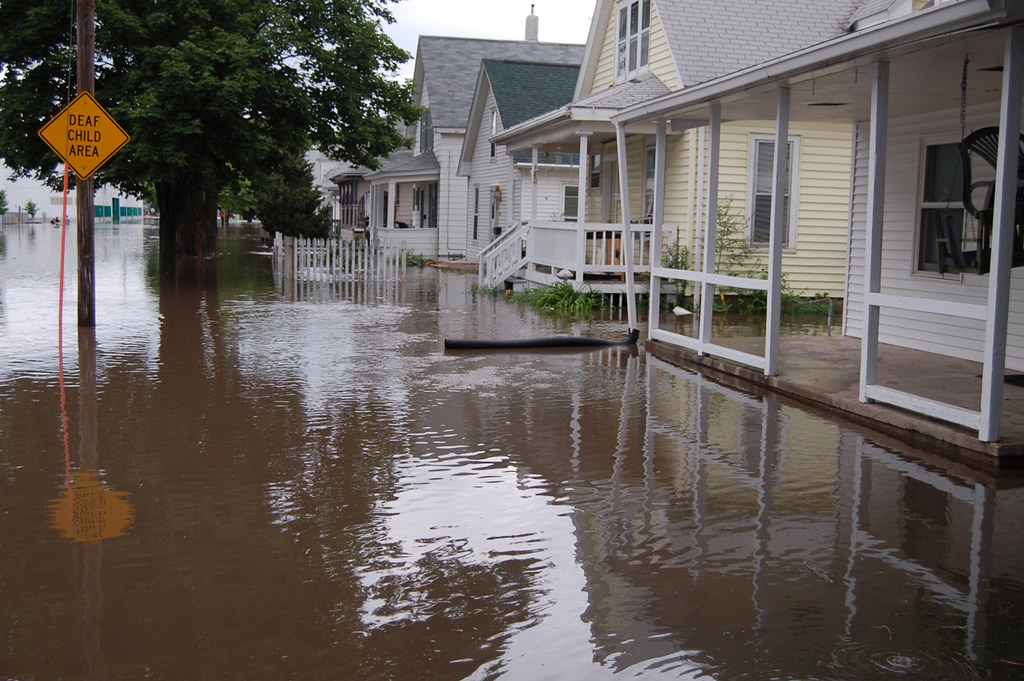
Flash floods in Southern Utah move fast and hit hard. During the August 2026 event, property owners across the region encountered:
- Rapid water intrusion into ground-floor living spaces and basements
- Saturated flooring, drywall, and insulation requiring immediate extraction
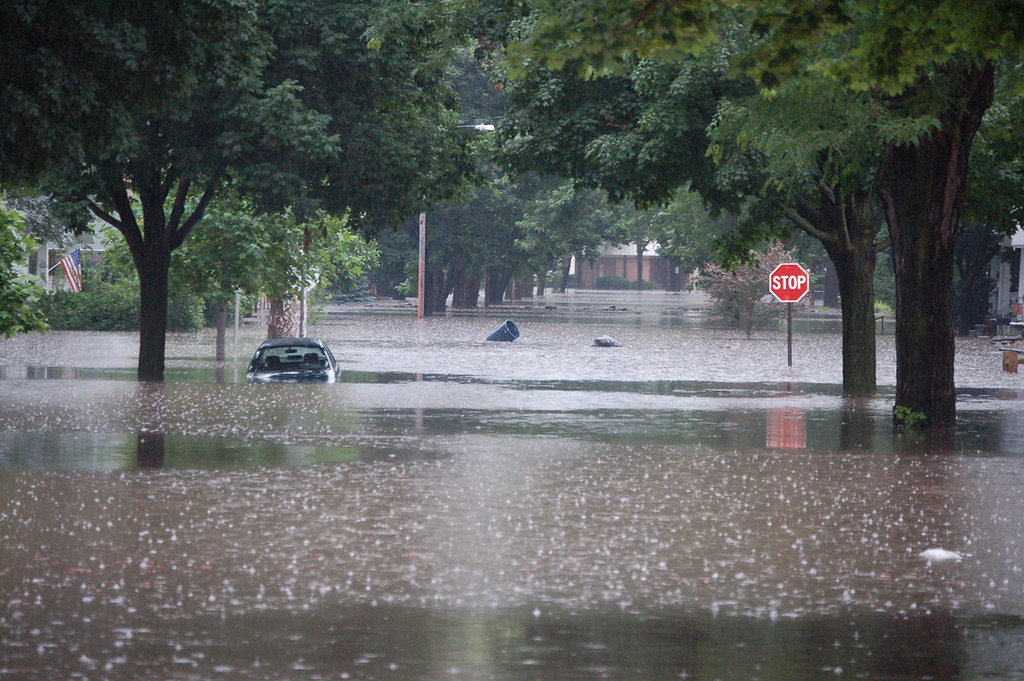
- Vehicles, debris, and sediment deposited by floodwaters
- Mold risk escalating within 24–48 hours of water exposure
- Uncertainty about what was safe to enter and what to document for insurance
What to Do After a Flash Flood — The Steps That Made a Difference
Based on our experience responding to the August 2026 event, here is the proven action plan we walked hundreds of St. George-area residents through. These steps apply to any flood event:
- Put safety first. Before re-entering your property, confirm that floodwaters had fully receded and that no structural compromise was visible. Do not enter a building with bowed walls, sagging ceilings, or standing electrical hazards.
- Document everything before cleanup begins. Photograph and video every affected room, item, and surface before moving or discarding anything. This documentation was critical for insurance claims after the August event.
- Contact your insurance company early. Notifying your insurer as soon as possible opened the claims process and helped avoid delays. DRT worked directly with adjusters on behalf of our clients throughout this recovery.
- Start drying immediately. Every hour of delay increased mold risk. DRT's water extraction and structural drying equipment was on-site for many clients within hours of the storm passing.
- Do not attempt to restore hidden moisture yourself. Floodwater saturates wall cavities, subfloors, and insulation in ways that aren't visible to the naked eye. Professional moisture mapping prevented long-term structural and air quality problems for our clients.
- Call DRT for restoration support: 385-287-6344
How DRT Responded — What We Did
When the flash flood warning was issued, DRT's crews were already staging equipment and coordinating routes across Washington County. In the days and weeks that followed the August 2026 event, we delivered:
- 24/7 emergency water extraction — removing standing water quickly to limit structural absorption
- Industrial structural drying — using commercial-grade dehumidifiers and air movers to dry wall cavities, subfloors, and framing
- Mold remediation — identifying and treating mold growth before it spread to unaffected areas
- Board-up and exterior protection — securing properties where floodwaters or debris had compromised doors, windows, or walls
- Full rebuild coordination — managing repairs from demo through final finish so homeowners didn't have to juggle multiple contractors
- Direct insurance billing — working alongside adjusters to document damage, scope repairs, and streamline the claims process
We served property owners in St. George, Cedar City, Enoch, Hurricane, Washington City, Ivins, and surrounding areas throughout the recovery period.
Lessons Learned — What the August 2026 Flood Taught Us (and Our Clients)
Every disaster response teaches us something. Here is what stood out from the August 2026 St. George flood recovery:
1. Speed Is Everything
The clients who called within the first few hours consistently saw better outcomes — less mold, less structural damage, and smoother insurance claims. Waiting even 48 hours dramatically increased remediation complexity and cost.
2. Southern Utah Flash Floods Are Underestimated
Many homeowners were surprised by how quickly water moved and how much sediment it carried. Flash floods in the St. George area move with tremendous force and deposit debris that standard cleanup methods can't handle. This event reinforced the need for professional extraction, not just mops and fans.
3. Insurance Documentation Wins Claims
Clients who took thorough photo and video documentation before any cleanup received faster, more complete insurance settlements. Those who moved or discarded damaged items before documenting sometimes faced disputes. When in doubt, document first — then call us.
4. Mold Doesn't Wait
In Southern Utah's summer heat, mold began developing in moisture-trapped wall cavities within 24–48 hours of the flood. Several properties that attempted DIY drying required more extensive mold remediation later. Professional moisture mapping at the start saved clients significant money and disruption.
5. Having a Restoration Team's Number Before Disaster Strikes Matters
The clients who had DRT's number saved in their phones — or had worked with us before — moved fastest. If you live in Washington County or Iron County, save our number now so you're not searching in the middle of a crisis.
Save it now: 385-287-6344
6. One Point of Contact Reduces Stress Enormously
Managing water damage, a mold remediation crew, a general contractor, and an insurance adjuster simultaneously is overwhelming. Clients who let DRT coordinate the full scope — from emergency extraction through rebuild — reported significantly less stress and faster project completion.
DRT Has Been Through This Before — And We'll Be Here for the Next One
The August 2026 flash flood was not the first major weather event DRT responded to in Southern Utah, and it won't be the last. Our team knows these communities, understands how flash floods behave in this desert terrain, and has the local relationships — with insurers, building departments, and suppliers — to move faster than out-of-area contractors who arrive after a disaster and leave when it's over.
We are based here. We recover here. And we'll be here when the next storm hits.
Still Dealing with Flood Damage? We Can Help.
Whether your damage is from the August 2026 event or a more recent storm, DRT provides full-service restoration for homes and businesses across St. George, Cedar City, Enoch, Hurricane, Washington, Ivins, and surrounding Southern Utah communities.
- Water extraction and structural drying
- Mold remediation
- Board-up and emergency stabilization
- Smoke and soot removal
- Full rebuild coordination
- Direct insurance billing and adjuster coordination
Call DRT 24/7: 385-287-6344
Don't wait. The sooner we assess the damage, the better your outcome.
```Most homeowner policies cover sudden water damage (burst pipes, appliance failures). Natural flooding typically requires separate flood insurance. Either way, DRT documents everything from day one — moisture readings, photos, scope of work — so your claim is supported whether it goes through your standard policy or a flood policy.
Frequently Asked Questions
How quickly does mold grow after flooding?
Will my homeowner's insurance cover flood damage restoration?
What should I NOT do after my home floods?
How quickly can DRT respond?
Do I need to file my insurance claim before calling DRT?
DRT serves St. George and surrounding areas. View our full St. George service area page for more about our restoration services in your area, or browse all service areas.
Need Help Now?
The Disaster Repair Team provides 24/7 emergency restoration services across Utah.
Request Help Online