Emergency Flood & Water Damage Restoration — Hurricane
- Recovery resources and next steps
- Insurance claim guidance
- Lessons learned for future prevention
- Professional restoration support
Mold can start growing within 24–48 hours of water exposure. Fast extraction and drying dramatically reduce secondary damage and health risks.
Live Conditions
Real-time weather radar for Utah
How DRT Helped Hurricane, Ivins, Santa Clara & Surrounding Communities Recover from the August 2026 Flash Flood
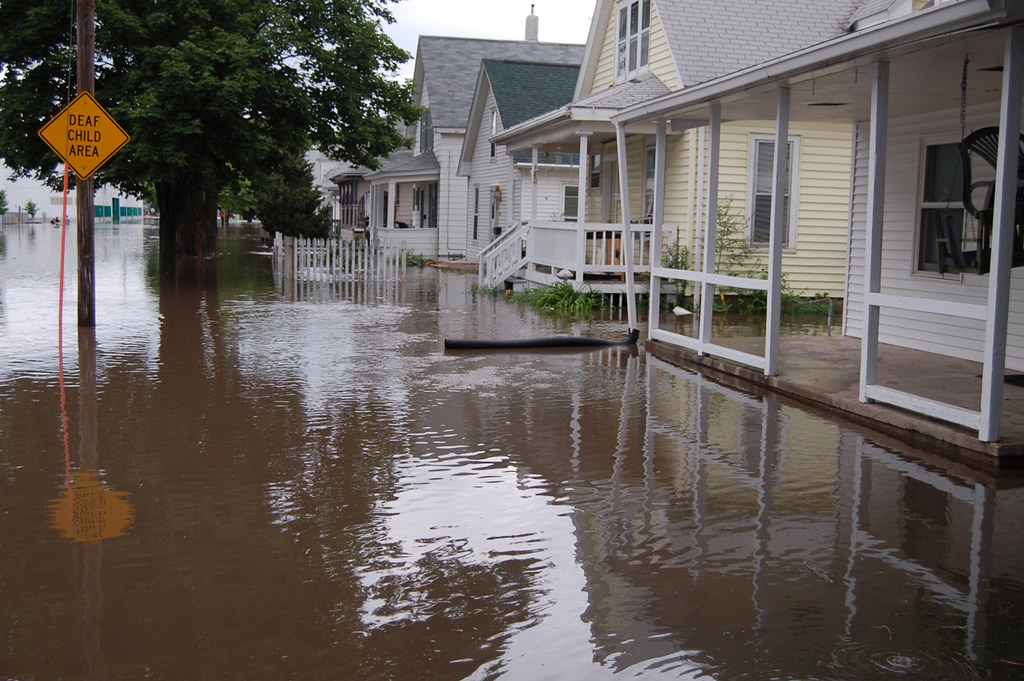
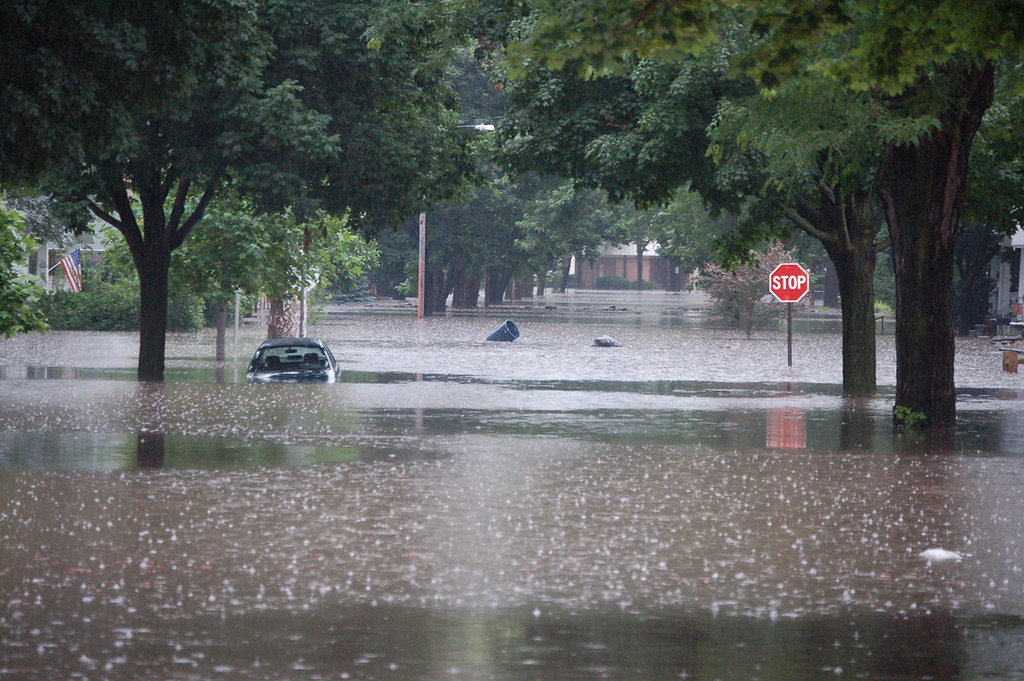
On August 13, 2026, the National Weather Service Salt Lake City issued a Flash Flood Warning at 3:11 PM MDT, effective through 6:15 PM MDT. Communities across Hurricane, Ivins, Santa Clara, and neighboring Washington County areas were impacted. This is the story of how Disaster Repair Team responded — and what homeowners and businesses learned along the way.
When the warning was issued, DRT mobilized immediately. Within hours, our crews were on the ground across the affected area, helping families and business owners begin the recovery process. If your property was affected by this event — or if you're researching what to do after a flash flood — this guide is for you.
Questions about flood damage? Call us anytime: 385-287-6344
What Homeowners Did (And Should Do) Right After a Flash Flood
In the hours and days following the August 2026 flood, the homeowners who fared best were the ones who acted quickly and methodically. Here's the step-by-step approach DRT recommended — and that residents followed — to protect their property and their insurance claims:
- Prioritized family safety first. Before re-entering any structure, residents confirmed it was structurally sound and that utilities had been safely shut off.
- Documented everything with photos and video. Thorough documentation before any cleanup began was essential for insurance claims. Every affected room, wall, floor, and belonging was photographed.
- Avoided structurally compromised areas. Floodwater can weaken foundations, floors, and walls in ways that aren't immediately visible. When in doubt, residents waited for a professional assessment.
- Contacted their insurance company promptly. Early notification helped expedite the claims process. DRT worked directly with adjusters on behalf of our clients to streamline communication.
- Called DRT for emergency restoration. Fast extraction and drying in the first 24–48 hours is the single most important factor in preventing secondary damage like mold growth and structural deterioration.
Dealing with flood damage now or preparing for next time? Call DRT: 385-287-6344
How DRT Responded to the August 2026 Flash Flood
Disaster Repair Team provided full-spectrum emergency restoration services across the Hurricane area during and after the August 2026 event. Our response included:
- Water extraction — Rapid removal of standing water using industrial-grade equipment to minimize damage to flooring, walls, and personal property.
- Structural drying — Commercial dehumidifiers and air movers were deployed to thoroughly dry affected structures and prevent mold from taking hold.
- Board-up and tarping — Properties with compromised windows, doors, or rooflines were secured to protect against further exposure.
- Mold remediation — In cases where response was delayed or moisture persisted, DRT performed professional mold assessment and remediation.
- Full rebuild coordination — From drywall and flooring to complete room reconstruction, DRT managed the entire restoration process.
- Direct insurance coordination — Our team worked hand-in-hand with insurance companies, providing documentation, estimates, and communication support so homeowners didn't have to navigate the process alone.
We offer 24/7 emergency restoration services because disasters don't follow business hours — and neither do we.
Ready to start your recovery? Call DRT at 385-287-6344
Lessons Learned: What the August 2026 Flash Flood Taught Us
Every disaster teaches us something. After responding to flood events across Washington County — including the August 2026 event in Hurricane, Ivins, and Santa Clara — here are the most important takeaways for local homeowners and businesses:
- Speed matters more than anything. Mold can begin to develop within 24–48 hours of water intrusion. The homeowners who called DRT within hours of the flooding experienced significantly less secondary damage than those who waited days to act.
- Flash floods in Utah's red rock country are deceptively destructive. The desert soil has low absorption capacity, and storm runoff moves fast and carries debris. Properties that appeared to have minor surface flooding often had significant moisture intrusion inside walls and under flooring.
- Document before you clean up — even a little. Several homeowners began removing wet items before photographing the full extent of the damage, which complicated their insurance claims. Always document first.
- Not all water damage is visible. Moisture behind drywall, under tile, and in subfloors doesn't show up without professional moisture meters. What looks dry may not be — and that hidden moisture becomes tomorrow's mold problem.
- Having a restoration company's number saved in your phone is worth it. Homeowners who already knew about DRT got help faster. In a regional emergency, restoration crews are in high demand. Early calls get earlier service.
- Insurance coordination is a team effort. Working with a restoration company that communicates directly with your adjuster reduces delays, disputes, and out-of-pocket surprises. DRT handled this process for dozens of clients during the August 2026 recovery.
DRT: Washington County's Local Flood Recovery Team
Disaster Repair Team is based in your community. We've responded to floods, fires, and storms across Hurricane, Ivins, Santa Clara, Washington, St. George, and the wider Washington County area — and we've built our systems around the specific challenges of Utah's climate and terrain.
When the August 2026 flash flood warning was issued, we were already ready. That's not an accident — it's the result of years of experience serving this region. We know the neighborhoods, the soil conditions, the building styles, and the insurance landscape here. That local knowledge made a real difference for the families and businesses we helped recover.
Whether you're dealing with lingering damage from a past event, preparing your property for future flood seasons, or in the middle of an active emergency right now — DRT is here.
Call us 24/7: 385-287-6344
We work directly with your insurance company. Local team. Real results.
```Most homeowner policies cover sudden water damage (burst pipes, appliance failures). Natural flooding typically requires separate flood insurance. Either way, DRT documents everything from day one — moisture readings, photos, scope of work — so your claim is supported whether it goes through your standard policy or a flood policy.
Frequently Asked Questions
How quickly does mold grow after flooding?
Will my homeowner's insurance cover flood damage restoration?
What should I NOT do after my home floods?
How quickly can DRT respond?
Do I need to file my insurance claim before calling DRT?
DRT serves Hurricane and surrounding areas. View our full Hurricane service area page for more about our restoration services in your area, or browse all service areas.
Need Help Now?
The Disaster Repair Team provides 24/7 emergency restoration services across Utah.
Request Help Online