August 2026 Flash Flood Warning — Hurricane, Ivins, Santa Clara & more — Emergency Restoration
- Recovery resources and next steps
- Insurance claim guidance
- Lessons learned for future prevention
- Professional restoration support
Mold can start growing within 24–48 hours of water exposure. Fast extraction and drying dramatically reduce secondary damage and health risks.
Live Conditions
Real-time weather radar for Utah
- Do NOT stand in water near electrical outlets or appliances
- Shut off main water supply if the source is a pipe or appliance
- Turn off electricity to affected areas at the breaker — only if safe to reach
- Do NOT use household vacuums on standing water
- Move to higher ground if water is rising rapidly
How DRT Helped Utah Recover from the August 2026 Flash Flood — Hurricane, Ivins, Santa Clara & Surrounding Communities
On August 13, 2026, the National Weather Service Salt Lake City issued a Flash Flood Warning at 3:11 PM MDT, affecting communities across Washington County including Hurricane, Ivins, Santa Clara, and neighboring areas. The warning remained active until 6:15 PM MDT — but the damage it left behind lasted far longer.
The Disaster Repair Team (DRT) mobilized immediately and worked alongside affected homeowners and businesses throughout the recovery process. This page serves as a permanent resource and case study for anyone navigating flood damage recovery in the region — whether from this event or a future one.
If you're dealing with flood damage right now, we're still here: 385-287-6344
What the August 2026 Flash Flood Looked Like on the Ground
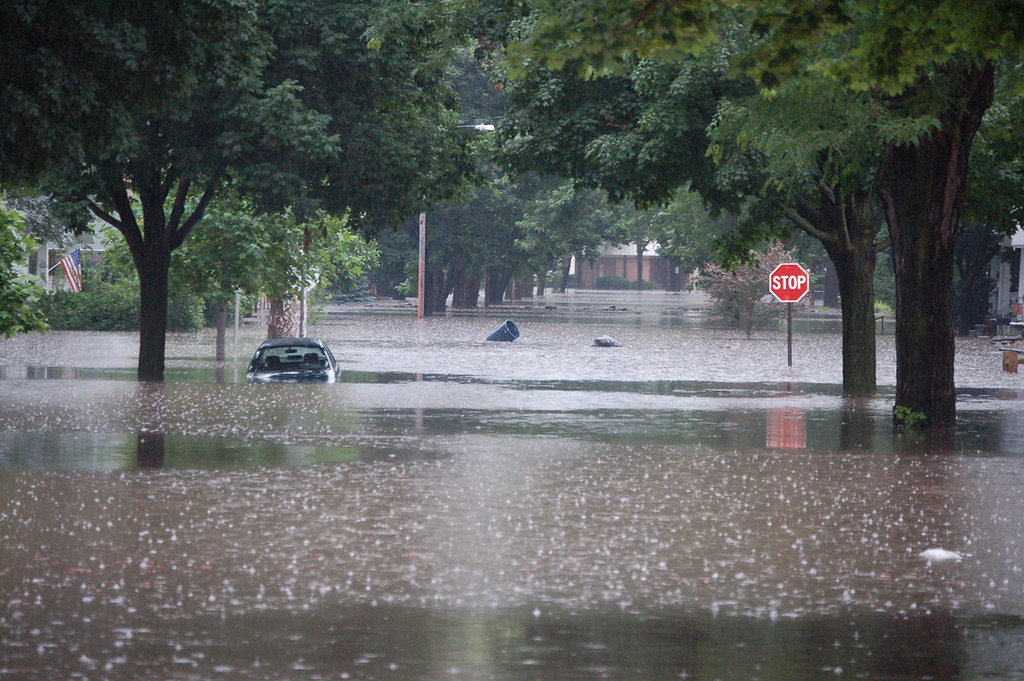
Flash floods in Southern Utah move fast. Within minutes of the warning being issued, low-lying roads flooded, stormwater overwhelmed drainage infrastructure, and water entered homes and commercial buildings across the affected corridor. Many residents had little time to react before water was already inside.
Washington County's desert terrain — while beautiful — contributes to rapid runoff during monsoon events. Hard-packed soil and rocky ground don't absorb water quickly, meaning even a short, intense storm can produce dangerous flood conditions with almost no warning.
What to Do After a Flash Flood: The Steps That Mattered
In the immediate aftermath of the August 2026 event, the homeowners and business owners who fared best in the recovery process were the ones who took these steps quickly and in the right order. If you're reading this after a flood of your own, the same guidance applies:
- Prioritize your family's safety above all else. Do not re-enter your home until floodwaters have fully receded and you've confirmed there are no structural, electrical, or gas hazards.
- Document everything before touching anything. Walk through every affected room and capture photos and video of all damage — walls, flooring, personal belongings, appliances, and exterior areas. This documentation is critical for your insurance claim.
- Do not enter structurally compromised areas. Saturated drywall, swollen door frames, and buckled floors can be signs of deeper structural issues. When in doubt, wait for a professional assessment.
- Contact your insurance company as soon as possible. Report the loss promptly. Ask about your coverage for water damage, temporary housing, and contents replacement. Keep notes of every conversation including dates, times, and representative names.
- Call DRT to begin the drying process immediately. The longer water sits, the more damage it causes — and the greater the risk of mold growth, which can begin within 24–48 hours. Early intervention is the single biggest factor in reducing your total restoration cost.
Ready to start your recovery? Call DRT: 385-287-6344
How DRT Responded to the August 2026 Flood
DRT crews were active in Hurricane, Ivins, Santa Clara, and surrounding communities within hours of the event. Our teams provided:
- Emergency water extraction — removing standing water quickly to minimize structural saturation
- Industrial structural drying — deploying commercial-grade dehumidifiers and air movers to dry walls, subfloors, and cavities
- Moisture mapping and monitoring — tracking drying progress daily to ensure no hidden moisture was left behind
- Board-up and temporary weatherproofing — securing damaged properties against further exposure
- Mold remediation — addressing any microbial growth that developed during the drying period
- Full rebuild coordination — from drywall and flooring replacement to complete structural repairs
- Direct insurance billing — working with adjusters on behalf of our clients to simplify the claims process
We are a locally based team. We know Washington County. We've worked in these neighborhoods, on these soil types, in this climate. That familiarity makes a real difference when every hour counts.
Lessons Learned from the August 2026 Flash Flood
Every disaster teaches something. Here is what this event reinforced — for our team and for the community:
1. Speed of response determines the scope of damage
Homes where water extraction began within the first few hours consistently saw less secondary damage than those where intervention was delayed by even a day. If you receive a flash flood warning, don't wait to see how bad it gets — have a plan and a number to call.
2. Desert communities face unique flood risks
Southern Utah's geography creates conditions where flooding can be severe even from storms that seem minor. Red rock terrain, caliche layers, and drought-hardened soil all contribute to extreme runoff. Homes in this region should treat monsoon season as a real flood risk period every year.
3. Hidden moisture is the silent problem
Several properties from this event had moisture trapped inside wall cavities that wasn't visible on the surface. Without proper moisture mapping equipment, this would have gone undetected — and become a mold problem weeks later. Professional drying isn't just about what you can see.
4. Insurance documentation starts before the call
Homeowners who had prior photos of their property (for general documentation purposes) had a significantly smoother claims experience. Consider photographing the interior and exterior of your home annually as a baseline record.
5. Community communication saves time
Neighbors who coordinated with each other — sharing which roads were passable, which areas had been assessed, and which contractors were responding — recovered more efficiently. Local knowledge travels fast, and trusting your community network has real value in an emergency.
6. Mold risk is not hypothetical in this climate
Washington County's summer heat accelerates mold growth after a water event. Properties left undried over a weekend can develop visible mold within days. This is not a situation where a "wait and see" approach is safe.
DRT: Southern Utah's Experienced Flood Recovery Team
The August 2026 flash flood was not the first major water event DRT has responded to in this region — and it won't be the last. Monsoon season, aging infrastructure, and the region's rapid growth all mean that flood damage is an ongoing reality for Washington County homeowners and businesses.
We've been through this before. We know what works, what to look for, and how to navigate the insurance process efficiently. Our team is local, licensed, and available around the clock because water damage doesn't follow business hours.
If you experienced damage in this event and are still working through repairs, or if you're a new homeowner in the area who wants to be prepared for the next monsoon season, we're here to help.
- Free damage assessments for affected properties
- 24/7 emergency response — no after-hours surcharge
- Direct insurance billing — we work with your adjuster
- Full-service restoration from water extraction through final rebuild
- Locally owned and operated in Southern Utah
Call DRT anytime: 385-287-6344
Or submit a damage report online and a member of our team will follow up promptly.
This page documents DRT's response to the NWS Flash Flood Warning issued August 13, 2026, at 3:11 PM MDT for communities in Washington County, Utah. It is maintained as an ongoing resource for flood recovery guidance in the Hurricane, Ivins, Santa Clara, and surrounding areas.
```Affected Areas
Select a city for location-specific emergency information and restoration resources.
What to Expect When You Call
Here's how DRT responds to emergency calls:
Need Help Now?
The Disaster Repair Team provides 24/7 emergency restoration services across Utah.
Request Help Online