Emergency Flood & Water Damage Restoration — St. George
- Recovery resources and next steps
- Insurance claim guidance
- Lessons learned for future prevention
- Professional restoration support
Mold can start growing within 24–48 hours of water exposure. Fast extraction and drying dramatically reduce secondary damage and health risks.
Live Conditions
Real-time weather radar for Utah
How DRT Helped St. George Recover from the August 2026 Flash Flood — A Community Recovery Guide
Serving Hurricane, Ivins, Santa Clara, Washington, and the greater St. George area
About the August 2026 Flash Flood Warning
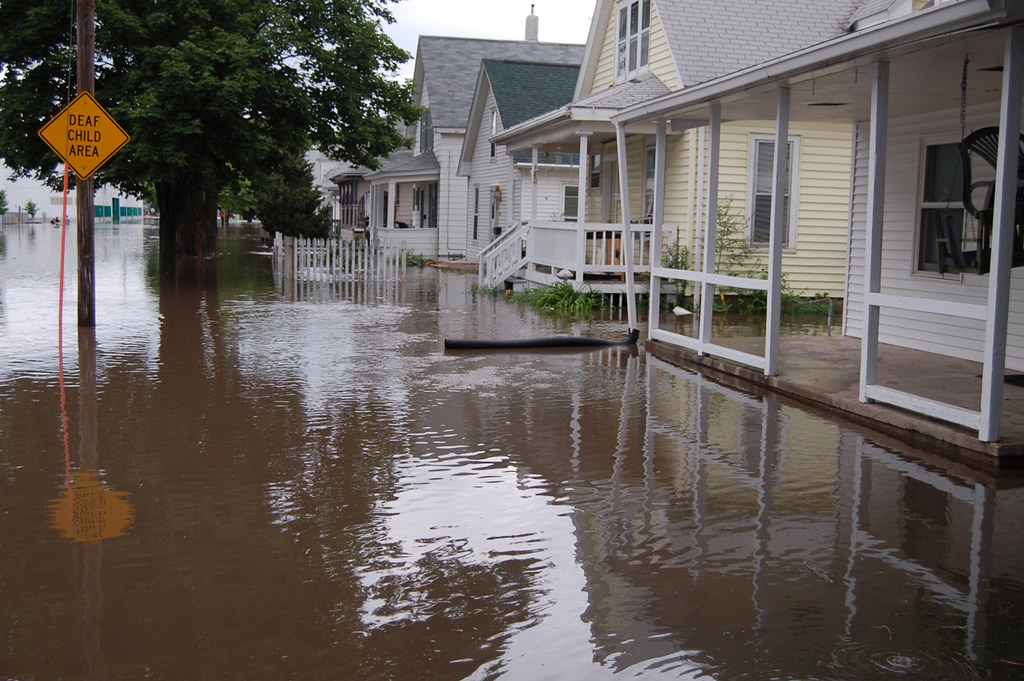
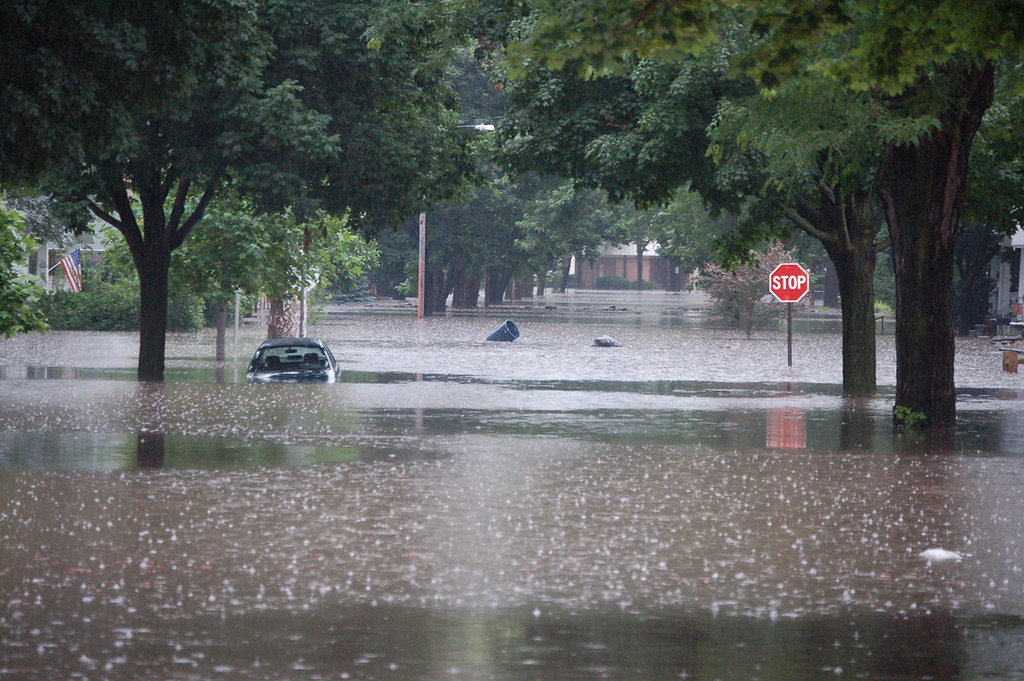
On August 13, 2026, the National Weather Service in Salt Lake City issued a Flash Flood Warning for the St. George area at 3:11 PM MDT, remaining in effect until 6:15 PM MDT. The storm impacted homes and businesses across Washington County, including communities in Hurricane, Ivins, Santa Clara, and Washington City.
The Disaster Repair Team (DRT) mobilized immediately and worked around the clock to help affected residents and business owners begin the recovery process. This page documents what happened, what we learned, and what you should do if your property was — or ever is — affected by flood damage in Southern Utah.
DRT is still here for you. If you're dealing with lingering damage or delayed issues from this storm, call us now: 385-287-6344
What Affected Residents Did First — And What You Should Too
In the hours and days following the August 2026 flood, the homeowners and business owners who recovered fastest were the ones who acted quickly and methodically. Here's the step-by-step process we walked hundreds of local families through:
- Prioritized family safety above all else — no property is worth risking a life. Residents waited for official all-clear signals before re-entering flooded structures.
- Documented every inch of damage with photos and video before touching anything — this proved critical for insurance claims.
- Avoided structurally compromised areas — floodwater can weaken floors, walls, and foundations in ways that aren't immediately visible.
- Contacted their insurance company as soon as it was safe to do so, to open a claim and understand their coverage.
- Called DRT for emergency restoration services — the sooner water extraction began, the less secondary damage (like mold) families faced later.
Dealing with delayed flood damage symptoms like mold, musty odors, or warped flooring? Call DRT now: 385-287-6344
How DRT Responded — and What We Did for the Community
When the warning was issued, DRT teams were already staging equipment and routing crews across Washington County. In the days and weeks that followed, we provided the full range of emergency restoration and recovery services that affected properties needed, including:
- Emergency water extraction — removing standing water before structural damage and mold could set in
- Industrial structural drying — using professional-grade dehumidifiers and air movers to dry walls, subfloors, and framing
- Board-up and tarping services — protecting compromised structures from further weather exposure
- Mold remediation — addressing mold growth that developed in the weeks following water intrusion
- Full rebuild coordination — managing repairs from the studs out, so homeowners only had to make one call
- Direct insurance billing — working directly with adjusters so families could focus on recovery, not paperwork
We've been through Southern Utah storms before. We know the soil conditions, the drainage patterns, and the unique challenges that flash flooding presents in the red rock desert. That local knowledge made a real difference in how quickly families got back to normal.
Lessons Learned from the August 2026 Flood
Every disaster teaches us something. Here's what the St. George community — and our team — took away from this event:
1. Speed Is Everything When It Comes to Water Damage
Mold can begin growing within 24–48 hours of water intrusion. Homeowners who waited several days to call for help often faced significantly larger remediation scopes than those who called immediately. If your home gets wet, treat it as an emergency — because it is one.
2. Southern Utah Flash Floods Are Deceptive
Many residents were surprised by how much water entered their homes despite living away from obvious waterways. Desert soils don't absorb water quickly, and flash floods can push water into areas that have never flooded before. Don't assume you're safe because you weren't flooded before.
3. Document Before You Clean Up
Several homeowners lost out on insurance reimbursements because they cleaned up damage before documenting it. Always photograph and video every affected room, item, and surface before beginning any cleanup or repairs.
4. Your Insurance Company Needs to Hear from You — Fast
Delays in filing claims led to complications for some residents. Contact your insurer as soon as it's safe to do so, even if you're still assessing the damage. DRT can help you understand what's covered and how to document your claim effectively.
5. One Call Can Handle Everything
Families who called DRT first didn't have to coordinate between multiple contractors, adjusters, and vendors. Our single point of contact model reduced stress and sped up the overall recovery timeline significantly.
6. Preparedness Matters Year-Round
Washington County's monsoon season runs July through September. Having DRT's number saved in your phone — and knowing your insurance policy before a storm hits — puts you in a far stronger position when the next warning is issued.
Is Your Home Still Showing Signs of Flood Damage?
Water damage doesn't always reveal itself immediately. In the months following a flood event, affected properties can show delayed symptoms including:
- Musty or earthy odors (a sign of hidden mold growth)
- Warped, buckling, or soft flooring
- Peeling paint or bubbling drywall
- Persistent allergy-like symptoms in household members
- Visible mold growth in corners, closets, or under sinks
- Structural cracks or settling
If you experienced flooding in August 2026 and are noticing any of these signs, don't wait. What starts as a small moisture problem can become a serious structural or health issue.
Call DRT for a professional assessment: 385-287-6344
About Disaster Repair Team — Your Local Southern Utah Restoration Experts
DRT has been serving St. George, Hurricane, Ivins, Santa Clara, Washington, and the surrounding communities through floods, fires, and storms. We're not a national call center — we're your neighbors, and we were here before the storm and we're still here now.
We provide 24/7 emergency restoration services and work directly with your insurance company so the process is as smooth as possible. When disaster hits Washington County, DRT is the team that shows up — fast, fully equipped, and ready to get your life back to normal.
Our Services Include:
- Water extraction and structural drying
- Mold remediation and prevention
- Board-up and emergency securing
- Smoke and soot removal
- Full rebuild and reconstruction coordination
- Direct insurance company billing
Ready to Talk to a Local Expert?
Whether you're dealing with fresh damage, delayed symptoms from a past storm, or just want to know what to do if flooding hits again — DRT is here to help. Call anytime, day or night.
Serving St. George, Hurricane, Ivins, Santa Clara, Washington City, and all of Washington County, Utah.
```Most homeowner policies cover sudden water damage (burst pipes, appliance failures). Natural flooding typically requires separate flood insurance. Either way, DRT documents everything from day one — moisture readings, photos, scope of work — so your claim is supported whether it goes through your standard policy or a flood policy.
Frequently Asked Questions
How quickly does mold grow after flooding?
Will my homeowner's insurance cover flood damage restoration?
What should I NOT do after my home floods?
How quickly can DRT respond?
Do I need to file my insurance claim before calling DRT?
DRT serves St. George and surrounding areas. View our full St. George service area page for more about our restoration services in your area, or browse all service areas.
Need Help Now?
The Disaster Repair Team provides 24/7 emergency restoration services across Utah.
Request Help Online