Emergency Flood & Water Damage Restoration — Santa Clara
- Recovery resources and next steps
- Insurance claim guidance
- Lessons learned for future prevention
- Professional restoration support
Mold can start growing within 24–48 hours of water exposure. Fast extraction and drying dramatically reduce secondary damage and health risks.
Live Conditions
Real-time weather radar for Utah
How DRT Helped Santa Clara Recover from the August 2026 Flash Flood Warning
A Community Recovery Case Study — Hurricane, Ivins, Santa Clara & Surrounding Areas
On August 13, 2026, the National Weather Service in Salt Lake City issued a Flash Flood Warning for Santa Clara and surrounding Washington County communities — including Hurricane and Ivins — from 3:11 PM MDT through 6:15 PM MDT. In the hours and days that followed, the Disaster Repair Team (DRT) responded to dozens of homes and businesses throughout the region, helping families assess damage, begin drying and remediation, and navigate the insurance process.
This page serves as a permanent resource for anyone in the Santa Clara area who experienced flooding during this event — or who wants to be better prepared if it happens again.
If you're still dealing with damage from this storm or any flooding event, our team is available 24/7.
Call now: 385-287-6344
What Happened: The August 13, 2026 Flash Flood Warning
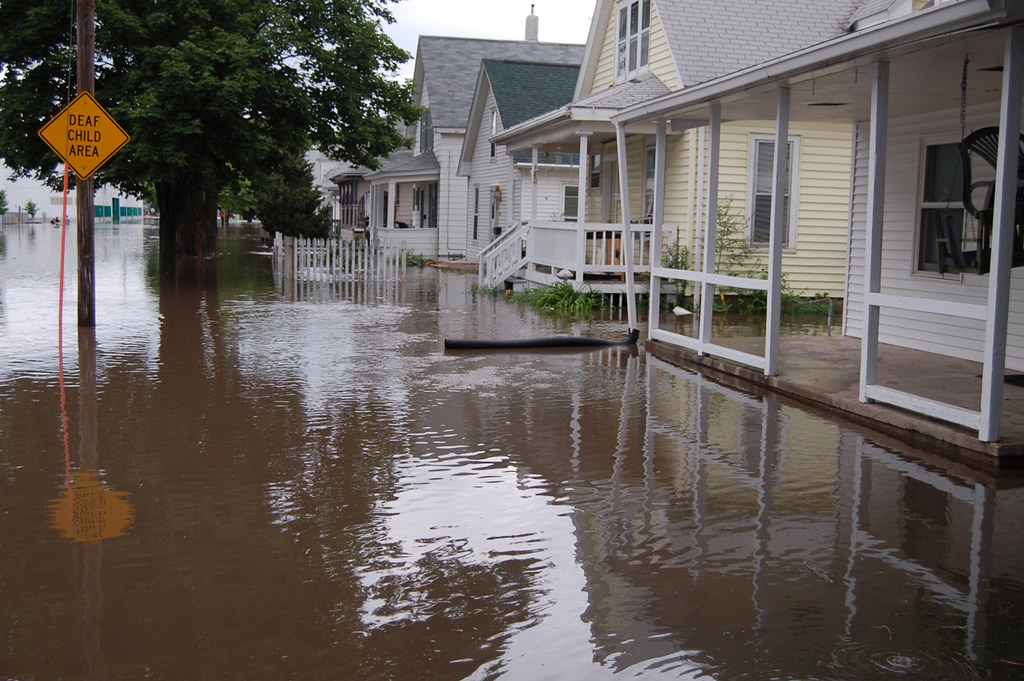
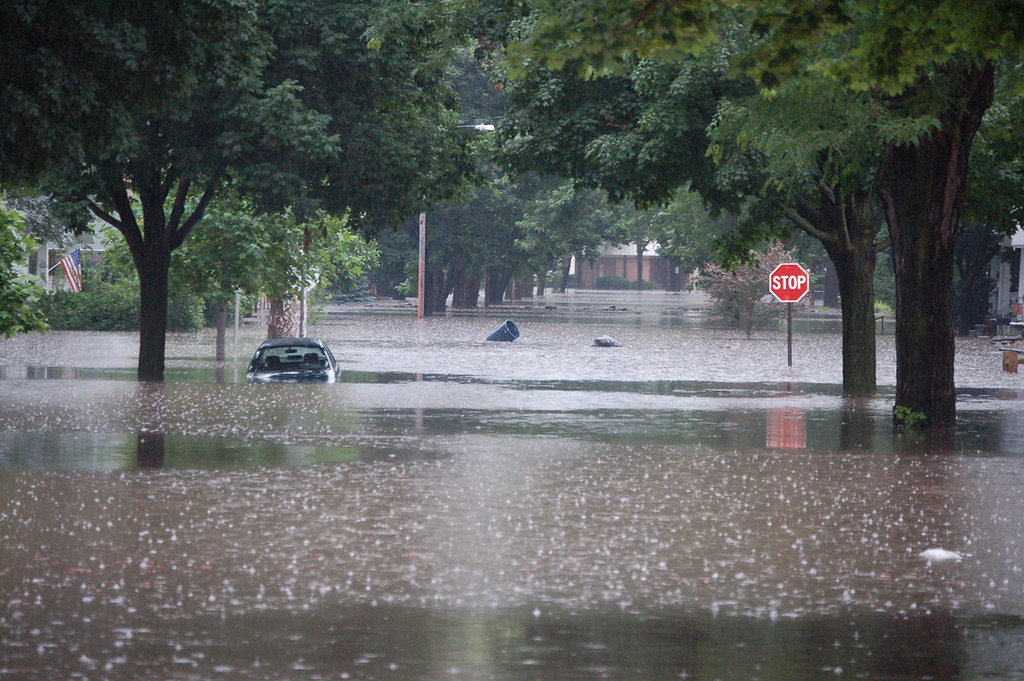
Flash flooding in Washington County is nothing new — the region's red rock terrain, hardpan soil, and monsoon-season storm cells create conditions where heavy rain can produce dangerous runoff within minutes. The August 13 event followed that familiar pattern. A fast-moving storm system triggered the NWS warning, and communities along Santa Clara Drive, the Virgin River corridor, and low-lying neighborhoods in Hurricane and Ivins saw rapid water intrusion into structures before many residents had time to respond.
DRT was monitoring the warning as it was issued and had crews staged and ready to respond before the all-clear was given.
What Homeowners and Businesses Should Do After a Flooding Event
Whether you're reading this days after the August 2026 storm or preparing for the next one, these steps represent best practices our team has applied across hundreds of flood responses in Southern Utah:
- Prioritize your family's safety first. Do not re-enter a flooded structure until water has receded and you've confirmed there are no electrical hazards, gas leaks, or structural risks.
- Document everything before cleanup begins. Photograph and video all visible damage — walls, flooring, personal property, exterior — from multiple angles. This documentation is critical for your insurance claim.
- Avoid structurally compromised areas. Floodwater can weaken foundations, saturate drywall, and compromise load-bearing elements that may not show obvious damage. When in doubt, wait for a professional assessment.
- Contact your insurance company as soon as possible. Report the loss, ask about your coverage for water damage and contents, and request a claim number. DRT works directly with all major insurers and can assist with this process.
- Begin water extraction and drying within 24–48 hours. Mold can begin developing in as little as 24 hours in Utah's summer heat. Fast action significantly reduces long-term damage and remediation costs.
- Call DRT for emergency restoration: 385-287-6344
How DRT Responded — and What We Did
When the August 13 warning lifted, DRT crews mobilized across the affected communities. Here's what the response effort involved:
- Emergency water extraction — removing standing water from crawl spaces, basements, garages, and living areas
- Structural drying — deploying industrial air movers and dehumidifiers to bring moisture levels down before mold could take hold
- Moisture mapping and monitoring — tracking drying progress across walls, subfloors, and framing to ensure complete dryout
- Board-up and tarping — securing damaged structures against additional weather exposure
- Mold remediation — addressing any microbial growth that developed in affected areas
- Insurance coordination — working directly with adjusters to document scope of damage and support claims
- Full rebuild coordination — for properties requiring repairs beyond mitigation, DRT managed the restoration from drywall to finish work
DRT served affected homeowners and businesses across Santa Clara, Hurricane, Ivins, and neighboring Washington County communities throughout the recovery period.
Still dealing with damage? We're still here.
Call 24/7: 385-287-6344
Lessons Learned: What the August 2026 Flood Taught Us
After every major weather event, our team debriefs on what worked, what surprised us, and what homeowners could have done differently to reduce their losses. Here's what the August 13 response reinforced:
1. Speed matters more than most people realize.
Several properties we responded to had delayed calling because owners assumed the water would dry on its own or wanted to wait for an insurance adjuster before touching anything. In Southern Utah's summer heat, that 48-hour window can mean the difference between a dryout job and a full mold remediation. Calling DRT first does not delay your claim — we document everything to support your adjuster.
2. Flash floods hit fast and hide damage well.
Many homeowners whose floors looked dry on the surface had significant moisture trapped in subfloor assemblies, wall cavities, and insulation. Without moisture meters and thermal imaging, that hidden damage often goes undetected — until mold appears weeks later. Professional assessment after any flood intrusion, even a minor one, is worth it.
3. The Virgin River corridor and hardpan soil create predictable risk zones.
Properties in certain areas of Santa Clara, Ivins, and Hurricane have flooded before and will flood again. If your home is in one of these zones, knowing your insurance coverage before storm season — and having DRT's number saved in your phone — reduces stress and response time significantly.
4. Documentation before and after is your best insurance asset.
Homeowners who had pre-event photos of their property (for comparison) received smoother claims experiences. We now encourage all Southern Utah homeowners to do an annual walkthrough video of their home's interior and exterior and store it in the cloud.
5. Local experience matters in disaster response.
National restoration franchises flew crews into the area after the storm. DRT was already here — we know the soil conditions, the flood-prone streets, the local building materials common in Washington County construction, and the adjusters at local insurance offices. That local knowledge translated to faster response and better outcomes for our clients.
About DRT — Your Local Restoration Team
The Disaster Repair Team has been serving Washington County and surrounding Southern Utah communities through floods, fires, and storms for years. We are a local company — not a national call center — and when you call us, you reach people who live and work in this region.
We provide:
- 24/7 emergency response
- Water extraction and structural drying
- Mold remediation
- Fire, smoke, and soot restoration
- Board-up and emergency securing
- Full rebuild and reconstruction coordination
- Direct insurance billing and adjuster coordination
We've been through events like the August 2026 flood before. We know what to do, and we're ready to do it again whenever the next storm comes.
Save our number before you need it.
DRT 24/7 Emergency Line: 385-287-6344
This page was originally created in response to the NWS Flash Flood Warning issued August 13, 2026, for Santa Clara, UT and surrounding Washington County communities. It has been updated as a permanent recovery resource and community reference for flooding events in the Hurricane, Ivins, and Santa Clara area.
```Most homeowner policies cover sudden water damage (burst pipes, appliance failures). Natural flooding typically requires separate flood insurance. Either way, DRT documents everything from day one — moisture readings, photos, scope of work — so your claim is supported whether it goes through your standard policy or a flood policy.
Frequently Asked Questions
How quickly does mold grow after flooding?
Will my homeowner's insurance cover flood damage restoration?
What should I NOT do after my home floods?
How quickly can DRT respond?
Do I need to file my insurance claim before calling DRT?
DRT serves Santa Clara and surrounding areas. View our full Santa Clara service area page for more about our restoration services in your area, or browse all service areas.
Need Help Now?
The Disaster Repair Team provides 24/7 emergency restoration services across Utah.
Request Help Online