Emergency Flood & Water Damage Restoration — Hurricane
- Recovery resources and next steps
- Insurance claim guidance
- Lessons learned for future prevention
- Professional restoration support
Mold can start growing within 24–48 hours of water exposure. Fast extraction and drying dramatically reduce secondary damage and health risks.
Live Conditions
Real-time weather radar for Utah
How DRT Helped Hurricane, Ivins, Santa Clara & Surrounding Communities Recover from the August 2026 Flash Flood Warning
On August 14, 2026, the National Weather Service Salt Lake City issued a Flash Flood Warning at 9:08AM MDT for Hurricane and surrounding Washington County communities — including Ivins, Santa Clara, Washington City, and La Vernia. By the time the warning expired at 12:00PM MDT, homes and businesses across the area had experienced water intrusion, structural damage, and the kind of chaos that only a sudden flash flood can bring.
The Disaster Repair Team (DRT) was on the ground responding. This page is a record of what happened, what we learned, and what every homeowner and business owner in Southern Utah should know before the next storm hits.
If you're dealing with flood or water damage right now, don't wait — call us 24/7:
385-287-6344
What Happened: The August 2026 Flash Flood Event
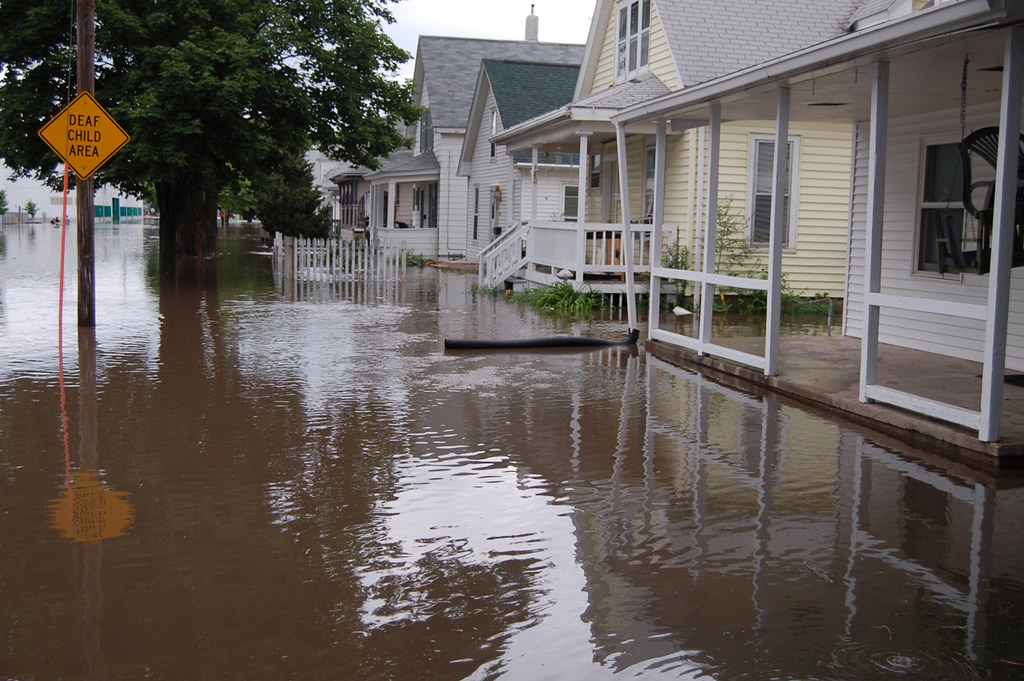
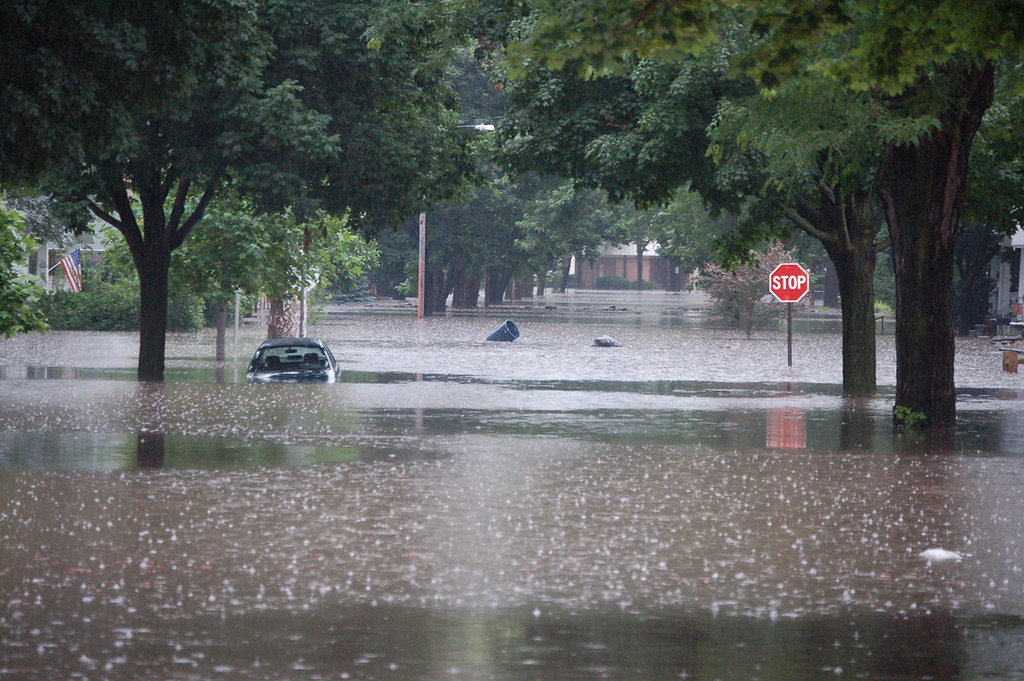
Flash floods are not unusual in Washington County's high-desert terrain, but the August 14, 2026 event moved fast and hit hard. Residents in Hurricane, Ivins, and Santa Clara reported rapid water accumulation in streets, backyards, and — critically — inside their homes. Storm drains were overwhelmed. Washes ran full. Structures that had never flooded before took on water.
DRT mobilized within the hour. Our local crews — based in Southern Utah, not dispatched from hundreds of miles away — were already familiar with the terrain, the drainage patterns, and the specific vulnerabilities of homes built in this region. That local knowledge made a real difference in response time and effectiveness.
What Affected Residents Did (and What You Should Do After Any Flood)
The homeowners and business owners who fared best after the August 2026 event were the ones who acted quickly and methodically. Here's the checklist that guided our response calls — and that applies to any flooding situation:
- Prioritize safety first. Residents who waited for floodwaters to fully recede before re-entering their homes made the right call. Floodwater can hide structural damage, downed electrical lines, and contamination hazards.
- Document everything before cleanup begins. The customers who had the smoothest insurance claims were the ones who photographed and video-recorded all visible damage — walls, flooring, belongings, exterior — before a single item was moved or removed.
- Avoid structurally compromised areas. If floors were soft, walls were bowing, or ceilings showed signs of sagging, those spaces stayed off-limits until a professional could assess them.
- Contact your insurance company promptly. Early notification opened claims faster and set the timeline for reimbursement. DRT worked directly with adjusters on behalf of many of our August 2026 customers to streamline this process.
- Call a restoration professional — fast. Standing water begins causing secondary damage within 24–48 hours. Mold can establish itself in as little as 48–72 hours in Southern Utah's late-summer heat. Speed mattered enormously.
DRT is available 24/7 for water damage emergencies. Call us any time: 385-287-6344
How DRT Responded: Services Deployed After the August 2026 Flood
Across Hurricane, Ivins, Santa Clara, and neighboring communities, DRT provided the full range of emergency and restoration services that a flash flood event demands:
- Emergency water extraction — Truck-mounted and portable extraction units removed standing water from crawl spaces, basements, and ground-floor living areas.
- Structural drying — Commercial-grade air movers and dehumidifiers ran continuously to pull moisture from walls, subfloors, and framing before secondary damage could set in.
- Board-up and property securing — Where flood damage compromised windows, doors, or structural integrity, we secured properties immediately to prevent further loss.
- Mold remediation — In Southern Utah's August heat, mold risk after a flood is elevated. DRT assessed, contained, and remediated mold in affected structures.
- Smoke and soot removal — For properties where flood events coincided with fire risks or utility damage, we handled full remediation.
- Full rebuild coordination — Many of our customers needed more than drying. DRT coordinated repairs and rebuilds from start to finish, serving as a single point of contact through the entire recovery process.
- Direct insurance coordination — We worked with adjusters and provided thorough documentation to help our customers receive fair, timely settlements.
Lessons Learned: What the August 2026 Flood Taught Southern Utah Homeowners
Every disaster event reveals things that weren't known — or weren't taken seriously enough — beforehand. Here's what the August 2026 flash flood made clear:
1. "It's never flooded here before" doesn't mean it won't.
Several homeowners told us their properties had never taken on water in years of ownership. Flash floods in Washington County are highly localized — a heavy downpour upstream can send a wall of water into areas that seem far from the action. If you live near a wash, a drainage channel, or in a low-lying area, you are at risk.
2. The first 24 hours are the most critical.
Customers who called DRT on the day of the event consistently had better outcomes — less mold, less structural damage, lower total restoration costs — than those who waited a day or two hoping the problem would resolve on its own. It won't. Water migrates, wicks upward, and creates hidden damage that compounds quickly.
3. Standard homeowners insurance often doesn't cover flood damage.
This was a painful discovery for some of our August 2026 customers. Flood damage from rising water — as opposed to a burst pipe or roof leak — is typically only covered under a separate flood insurance policy through FEMA's National Flood Insurance Program (NFIP) or a private flood insurer. If you don't have flood insurance, this is the moment to look into it.
4. Local teams respond faster and know the area better.
DRT is based in Southern Utah. We know the difference between Hurricane's drainage patterns and Ivins' wash systems. We've seen how homes in Santa Clara are built and where they're most vulnerable. When you call a national 1-800 number after a disaster, you often get a franchise crew from another region driving in hours later. Our customers got local crews who knew what they were looking at.
5. Documentation is the difference between a smooth claim and a disputed one.
Insurance claims after the August 2026 event went more smoothly for customers who had thorough photo and video documentation taken before cleanup began. If you've just experienced flooding, document everything before you move anything.
6. Heat accelerates everything.
An August flood in Southern Utah is not the same as a February flood in the Pacific Northwest. With temperatures regularly exceeding 100°F, moisture trapped in walls, flooring, and insulation creates ideal mold conditions within days. Rapid drying — not just surface cleanup — was essential.
DRT Is the Team That Has Been Through This Before
The August 2026 flash flood wasn't the first disaster DRT responded to in Southern Utah, and it won't be the last. Washington County's geography — beautiful red rock terrain, desert washes, monsoon-season storms — means flood events are part of life here. DRT has built its team, its equipment, and its processes around exactly this kind of work, in exactly this region.
When the next warning is issued, we'll be ready. And if you're reading this because you're dealing with water damage right now, we're ready for you today.
Call DRT 24/7 for emergency flood and water damage restoration in Hurricane, Ivins, Santa Clara, Washington City, St. George, and surrounding Southern Utah communities:
We work directly with your insurance company. We're local. We've done this before.
```Most homeowner policies cover sudden water damage (burst pipes, appliance failures). Natural flooding typically requires separate flood insurance. Either way, DRT documents everything from day one — moisture readings, photos, scope of work — so your claim is supported whether it goes through your standard policy or a flood policy.
Frequently Asked Questions
How quickly does mold grow after flooding?
Will my homeowner's insurance cover flood damage restoration?
What should I NOT do after my home floods?
How quickly can DRT respond?
Do I need to file my insurance claim before calling DRT?
DRT serves Hurricane and surrounding areas. View our full Hurricane service area page for more about our restoration services in your area, or browse all service areas.
Need Help Now?
The Disaster Repair Team provides 24/7 emergency restoration services across Utah.
Request Help Online