August 2026 Flash Flood Warning — Hurricane, Ivins, Santa Clara & more — Emergency Restoration
- Recovery resources and next steps
- Insurance claim guidance
- Lessons learned for future prevention
- Professional restoration support
Mold can start growing within 24–48 hours of water exposure. Fast extraction and drying dramatically reduce secondary damage and health risks.
Live Conditions
Real-time weather radar for Utah
- Do NOT stand in water near electrical outlets or appliances
- Shut off main water supply if the source is a pipe or appliance
- Turn off electricity to affected areas at the breaker — only if safe to reach
- Do NOT use household vacuums on standing water
- Move to higher ground if water is rising rapidly
How DRT Helped Utah Recover from the August 2026 Flash Flood — Hurricane, Ivins, Santa Clara & Surrounding Areas
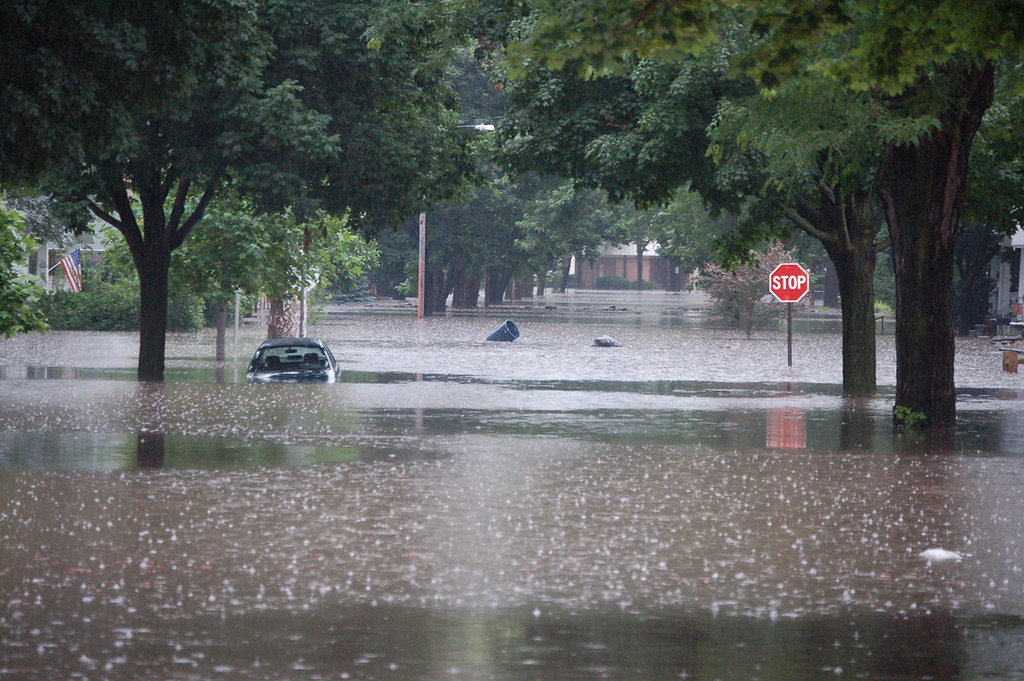
On August 14, 2026, the National Weather Service Salt Lake City issued a Flash Flood Warning at 9:08 AM MDT for communities across Washington County, including Hurricane, Ivins, Santa Clara, and neighboring areas. By noon, the warning had lifted — but for hundreds of homeowners and business owners, the hard work was just beginning.
The Disaster Repair Team (DRT) mobilized immediately and worked alongside affected residents throughout the recovery process. This page serves as a permanent case study and resource guide for anyone dealing with flood damage in Southern Utah — whether from this event or a future one.
If you're dealing with flood damage right now, we're still here. Call us 24/7: 385-287-6344
What Happened: The August 14, 2026 Flash Flood Warning
A fast-moving storm system triggered a Flash Flood Warning across Washington County on the morning of August 14, 2026. Communities situated near arroyos, washes, and low-lying areas faced rapid water intrusion, debris flow, and structural damage within a matter of hours. Flash floods in Southern Utah are particularly dangerous because of the region's hard desert soil, which resists absorption and channels water at high velocity into residential and commercial areas.
DRT crews were on the ground responding to calls from Hurricane, Ivins, and Santa Clara before the warning had even expired. In the days and weeks that followed, we helped dozens of families and business owners navigate water extraction, structural drying, insurance claims, and full rebuilds.
What to Do After a Flash Flood: The Recovery Checklist
Whether you experienced this event or are preparing for the next one, these steps apply every time:
- Prioritize your family's safety first. Do not return to a flooded property until authorities confirm it is safe to do so.
- Document all damage with photos and video before touching or moving anything. This is critical for your insurance claim.
- Do not enter structurally compromised areas. Floodwater can weaken foundations, floors, and walls in ways that aren't immediately visible.
- Contact your insurance company as soon as possible to open a claim and understand your coverage.
- Call DRT for professional restoration. The faster water is extracted and drying begins, the less secondary damage — including mold — you'll face. 385-287-6344
How DRT Supported the August 2026 Recovery
DRT provided end-to-end emergency restoration services throughout the affected communities. Our response included:
- 24/7 emergency water extraction — deployed within hours of the first calls
- Structural drying and moisture mapping — industrial-grade equipment to prevent hidden moisture from becoming a mold problem
- Board-up and emergency securing of damaged structures
- Mold remediation for properties where response was delayed
- Smoke and soot removal where secondary fire hazards were present
- Full rebuild coordination — from drywall to flooring to finish work
- Direct insurance billing — we worked directly with adjusters so homeowners didn't have to fight that battle alone
We know Washington County. We know how flash floods move through the washes in Ivins, how quickly water backs up in Santa Clara neighborhoods near the Virgin River, and how the red clay soil in Hurricane accelerates runoff. That local knowledge made a difference in how quickly and effectively we were able to respond.
Lessons Learned: What the August 2026 Flood Taught Us
Every major weather event teaches us something. Here's what the August 2026 flash flood reinforced for our team — and what we want every Southern Utah homeowner and business owner to know:
- Speed is everything with water damage. Properties where we were called within the first 24 hours had dramatically better outcomes than those where residents waited. Mold can begin developing within 24–48 hours of water intrusion. Every hour matters.
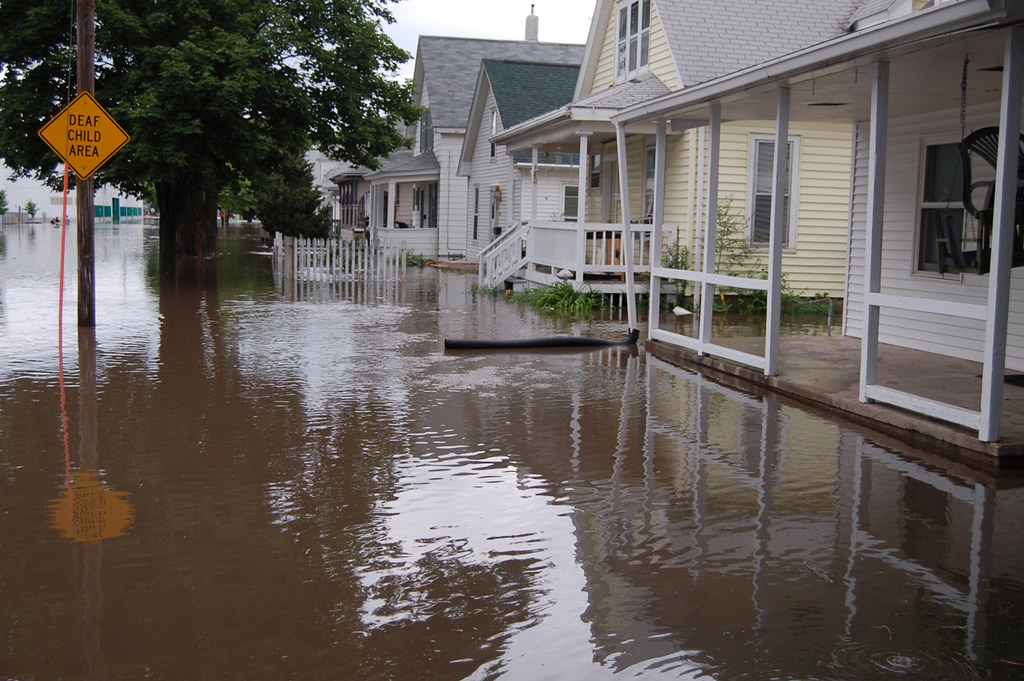
- Flash floods don't need to look dramatic to cause serious damage. Several of the worst cases we handled in August 2026 came from homes that had only a few inches of water intrusion — but sustained it long enough to saturate subfloors, insulation, and wall cavities.
- Desert soil is deceptive. Many residents assumed water would drain quickly because of the arid climate. In reality, compacted desert soil and rock formations channel water into structures rather than away from them. Homes with finished basements or slab-on-grade construction were particularly vulnerable.
- Document before you clean. A number of homeowners who began cleanup before documenting damage faced challenges with their insurance claims. Always photograph and video everything first, even if it's difficult to see the full picture in the moment.
- Insurance coordination requires an advocate. Working directly with insurance adjusters can be overwhelming after a traumatic event. Having DRT manage that communication on behalf of our clients consistently resulted in faster approvals and fewer disputes.
- Community preparedness matters. The neighborhoods that fared best were those where residents knew their risk, had documented their belongings in advance, and had a restoration contact ready to call. We encourage every Washington County resident to save our number before they need it: 385-287-6344.
Southern Utah Flooding: Know Your Risk
Flash flooding is not a rare occurrence in Washington County — it is a recurring reality. The combination of summer monsoon moisture, steep terrain, and hard desert soil creates conditions where heavy rain upstream can produce dangerous flood conditions miles away with little warning. Communities along the Virgin River corridor, Santa Clara River, and their tributaries face elevated risk every monsoon season (July through September).
If you live or own a business in Hurricane, Ivins, Santa Clara, St. George, Washington City, Leeds, or surrounding areas, it is worth reviewing your flood zone designation and insurance coverage annually — not just after an event.
DRT: Southern Utah's Local Restoration Team
The Disaster Repair Team is based in Southern Utah and has served Washington County and surrounding communities through multiple storm seasons. We are not a national franchise dispatching crews from out of state — we are your neighbors, and we were here before the August 2026 flood and we'll be here for whatever comes next.
Our services include water damage restoration, structural drying, mold remediation, fire and smoke damage repair, board-up services, and full reconstruction. We work directly with all major insurance carriers.
Available 24 hours a day, 7 days a week.
Call or text: 385-287-6344
If you experienced damage during the August 2026 flood event and are still dealing with moisture issues, mold concerns, or incomplete repairs, it is not too late to call. We have helped homeowners identify and remediate hidden damage months after an initial flood event. Don't wait until a problem becomes a much bigger one.
```Affected Areas
Select a city for location-specific emergency information and restoration resources.
What to Expect When You Call
Here's how DRT responds to emergency calls:
Need Help Now?
The Disaster Repair Team provides 24/7 emergency restoration services across Utah.
Request Help Online