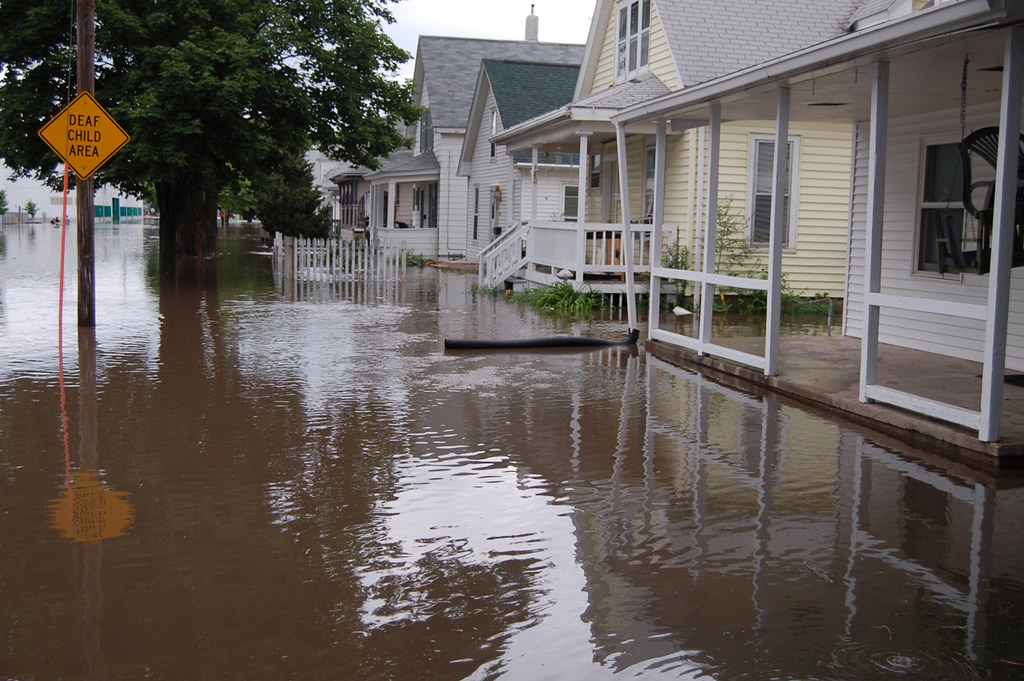
Emergency Flood & Water Damage Restoration — Santa Clara
- Recovery resources and next steps
- Insurance claim guidance
- Lessons learned for future prevention
- Professional restoration support
Mold can start growing within 24–48 hours of water exposure. Fast extraction and drying dramatically reduce secondary damage and health risks.
Live Conditions
Real-time weather radar for Utah
How DRT Helped Santa Clara Recover from the August 2026 Flash Flood Warning
A Local Case Study & Recovery Resource — Hurricane, Ivins, Santa Clara & Surrounding Communities
On August 14, 2026, the National Weather Service Salt Lake City issued a Flash Flood Warning at 9:08AM MDT for Santa Clara and surrounding Washington County communities including Hurricane and Ivins. By midday, Disaster Repair Team (DRT) crews were already on the ground, helping local homeowners and businesses begin the recovery process.
This page serves as a permanent resource for anyone affected by that event — or any future flooding in the area. If you are dealing with flood damage right now, we have been through this before and we are ready to help.
Call DRT anytime, 24/7: 385-287-6344
What Happened: The August 14, 2026 Flash Flood Event
The Flash Flood Warning was issued at 9:08AM MDT and remained in effect until 12:00PM MDT. Southern Utah's monsoon season creates conditions where intense, localized rainfall can overwhelm drainage systems rapidly — turning streets into waterways and sending water into homes and businesses with very little warning. Santa Clara, Hurricane, and Ivins are no strangers to this pattern, and August 2026 was a clear reminder of how quickly conditions can escalate.
DRT mobilized response teams as soon as the warning was issued, positioning equipment and crews to reach affected properties the moment it was safe to do so.
What Homeowners and Businesses Did Right After the Flood
In the hours and days following the August 2026 event, the residents and business owners who fared best were the ones who took these steps quickly. We share them here as a practical guide for any future flooding situation:
- Prioritized family and personal safety first — No property is worth entering until floodwaters have receded and structures have been assessed as safe.
- Documented all damage with photos and video — Thorough documentation before any cleanup began proved essential for insurance claims and FEMA assistance applications.
- Avoided structurally compromised areas — Flood-damaged floors, walls, and foundations can fail without warning. Residents waited for a professional assessment before re-entering damaged sections of their properties.
- Contacted their insurance companies promptly — Early notification helped speed up the claims process and ensured coverage was not jeopardized by delayed reporting.
- Called DRT for emergency restoration — Fast extraction and drying in the first 24–48 hours is the single most important factor in preventing secondary damage like mold growth and structural deterioration.
Dealing with flood damage now? The same steps apply. Call DRT: 385-287-6344
How DRT Responded in August 2026
Disaster Repair Team provided full-spectrum emergency restoration services to affected properties across Santa Clara, Hurricane, Ivins, and the broader Washington County area. Our response included:
- Emergency water extraction — Industrial-grade pumping equipment removed standing water from homes and commercial buildings rapidly.
- Structural drying — High-capacity air movers and dehumidifiers were deployed to dry wall cavities, subfloors, and structural framing before mold could take hold.
- Board-up and property securing — Damaged entries, windows, and compromised sections were secured to prevent further exposure and unauthorized access.
- Mold remediation — Properties where drying was delayed or where water had penetrated deeply were assessed and treated for mold growth.
- Full rebuild coordination — DRT managed the complete restoration process from initial damage through finished repairs, serving as a single point of contact for homeowners and insurers alike.
- Direct insurance coordination — Our team worked directly with adjusters, providing documentation, scope of work, and progress updates to streamline the claims process for our clients.
Lessons Learned: What the August 2026 Flood Taught Our Community
Every disaster leaves behind knowledge that makes the next response faster and more effective. Here is what the August 2026 event reinforced for DRT and for the communities we serve:
1. Southern Utah's Monsoon Season Demands Preparation, Not Just Reaction
Flash flooding in Washington County is not an anomaly — it is a seasonal reality. Homes and businesses in low-lying areas, near washes, or adjacent to paved runoff surfaces should have a pre-established plan for rapid response. Knowing who to call before a flood happens saves critical hours afterward.
2. The First 48 Hours Are Everything
Properties where water extraction and drying began within 24–48 hours of flooding suffered significantly less secondary damage than those where response was delayed. Mold can begin developing within 24–72 hours in Southern Utah's warm conditions. Speed matters enormously.
3. Documentation Cannot Be an Afterthought
Insurance claims that were supported by thorough photo and video documentation — taken before any items were moved or cleanup began — were processed faster and more favorably. Every homeowner should document damage completely before touching anything, even if it feels counterintuitive when you want to start cleaning up.
4. Working with a Local Team Makes a Difference
DRT is based here. We know Washington County's soil conditions, drainage patterns, construction styles, and local codes. When out-of-area contractors flooded into the region following the August 2026 event, our clients benefited from working with a team that understood the local landscape — and that would still be here long after outside crews moved on to the next disaster.
5. Insurance Coordination Should Not Fall on the Homeowner Alone
Navigating a major insurance claim while simultaneously managing a damaged home is overwhelming. Homeowners who leaned on DRT to communicate directly with their adjusters reported a significantly less stressful recovery experience. You do not have to manage this alone.
6. Mold Is a Silent Secondary Disaster
Several properties that appeared to dry out adequately on the surface developed mold in wall cavities and under flooring weeks later. Thermal imaging and moisture meters — tools DRT uses on every job — are the only reliable way to confirm that structural drying is complete.
DRT Serves Santa Clara, Hurricane, Ivins & All of Washington County
Disaster Repair Team has been responding to emergencies in Southern Utah for years. We are a local company — not a national franchise dispatching crews from out of state. When you call DRT, you reach a team that knows your community, shows up fast, and stays with you through every step of the restoration process.
Whether you are recovering from a flood that happened yesterday or preparing for the next monsoon season, we are here.
- 24/7 emergency response
- Water extraction & structural drying
- Mold remediation
- Board-up & property securing
- Full rebuild coordination
- Direct insurance billing & adjuster coordination
Call DRT now — we have been through this before and we will be there for whatever comes next:
385-287-6344
Call 385-287-6344 — Available 24/7
```Most homeowner policies cover sudden water damage (burst pipes, appliance failures). Natural flooding typically requires separate flood insurance. Either way, DRT documents everything from day one — moisture readings, photos, scope of work — so your claim is supported whether it goes through your standard policy or a flood policy.
Frequently Asked Questions
How quickly does mold grow after flooding?
Will my homeowner's insurance cover flood damage restoration?
What should I NOT do after my home floods?
How quickly can DRT respond?
Do I need to file my insurance claim before calling DRT?
DRT serves Santa Clara and surrounding areas. View our full Santa Clara service area page for more about our restoration services in your area, or browse all service areas.
Need Help Now?
The Disaster Repair Team provides 24/7 emergency restoration services across Utah.
Request Help Online