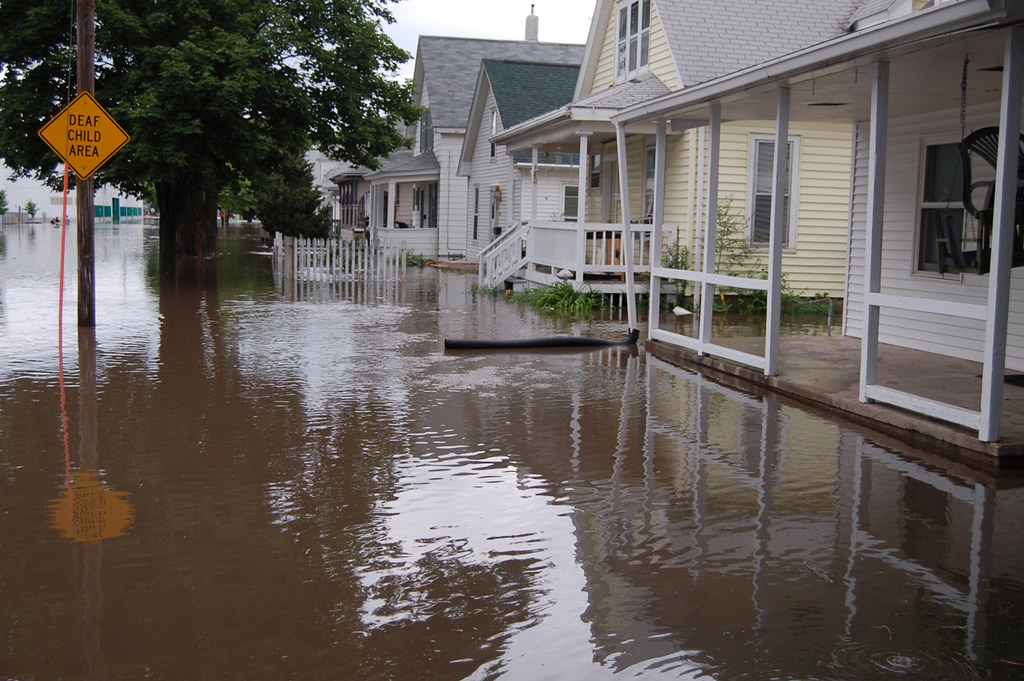
Emergency Flood & Water Damage Restoration — Washington City
- Recovery resources and next steps
- Insurance claim guidance
- Lessons learned for future prevention
- Professional restoration support
Mold can start growing within 24–48 hours of water exposure. Fast extraction and drying dramatically reduce secondary damage and health risks.
Live Conditions
Real-time weather radar for Utah
How DRT Helped Washington City Recover from the August 2026 Flash Flood — A Local Recovery Case Study
Covering Hurricane, Ivins, Santa Clara, and surrounding Washington County communities
On August 14, 2026, the National Weather Service Salt Lake City issued a Flash Flood Warning for Washington City and surrounding communities at 9:08 AM MDT. By noon, the warning had lifted — but for hundreds of local homeowners and business owners, the real work was just beginning.
The Disaster Repair Team (DRT) responded immediately and worked alongside affected residents throughout the recovery process. This page documents what happened, what we learned, and what you should know if your property was affected by flooding — or if you want to be better prepared for next time.
Still dealing with damage? We're here: 385-287-6344
What Happened: The August 14, 2026 Flash Flood Warning
The Flash Flood Warning was issued at 9:08 AM MDT on August 14, 2026, and remained in effect until 12:00 PM MDT. Rapid runoff from summer storm activity threatened low-lying areas across Washington City, Hurricane, Ivins, Santa Clara, and neighboring communities. Flash flooding in Southern Utah can develop quickly due to the region's desert terrain, which limits natural water absorption and channels runoff rapidly through washes and streets.
DRT teams were mobilized and on standby before the warning lifted, ready to respond to water intrusion, structural damage, and related emergencies across the affected area.
What Property Owners Did Right: A Step-by-Step Recovery Checklist
In the hours and days following the flood event, the homeowners and business owners who recovered fastest were those who took the right steps early. Here's what worked:
- Prioritized family and personal safety first — No property damage is worth risking injury. Residents who waited for official all-clears before re-entering properties avoided dangerous conditions including compromised flooring, electrical hazards, and contaminated water.
- Documented all damage thoroughly with photos and video — Comprehensive documentation before any cleanup began proved essential for insurance claims. Timestamped photos and video walkthroughs provided clear evidence of the extent and origin of damage.
- Avoided structurally compromised areas — Water-saturated walls, floors, and ceilings can fail without warning. Residents who stayed out of unsafe areas and waited for professional assessment protected themselves from secondary injuries.
- Contacted their insurance company promptly — Early notification helped policyholders get adjusters on-site faster and ensured claims were filed within required timeframes.
- Called DRT quickly to begin extraction and drying — The fastest recoveries happened when water extraction began within the first 24–48 hours. Every hour of delay increased the risk of mold growth and structural damage. Call DRT: 385-287-6344
How DRT Responded: Services Deployed After the August 2026 Flood
DRT provided comprehensive emergency and restoration services to affected properties across Washington County following the August 14 event. Our teams delivered:
- 24/7 Emergency Water Extraction — Rapid removal of standing water from flooded interiors to minimize saturation and secondary damage
- Structural Drying — Industrial drying equipment deployed to walls, subfloors, and structural cavities to prevent long-term moisture damage
- Board-Up and Tarping — Immediate protection for properties with compromised windows, doors, or roofing
- Mold Remediation — Assessment and remediation for properties where delayed response or hidden moisture created mold conditions
- Smoke and Soot Removal — Available for properties where secondary fire or smoke damage occurred
- Full Rebuild Coordination — End-to-end project management from initial damage through completed restoration
- Direct Insurance Coordination — DRT worked directly with insurance carriers on behalf of property owners to streamline claims and approvals
DRT is a locally based, Washington County restoration team. We know these communities because we live and work here.
Questions about flood damage to your property? Call us anytime: 385-287-6344
Lessons Learned: What the August 2026 Flood Taught Washington County Residents
After working through the recovery process with dozens of affected property owners, our team identified several consistent lessons that can help the entire community be better prepared for future events.
1. Flash Floods Move Faster Than Expected
Southern Utah's desert landscape means water has nowhere to go. Washes and drainage channels can rise within minutes. Several properties affected in August 2026 had never flooded before — owners were caught off guard. Don't assume prior history makes your property immune.
2. The First 24–48 Hours Are Critical
Water damage that might have required a week of drying became a multi-week mold remediation project in some cases where cleanup was delayed even by a day or two. Acting fast dramatically limits both damage and cost.
3. Documentation Before Cleanup Saves Money
Insurance adjusters need to see the damage as it was. Property owners who cleaned up before documenting sometimes had difficulty proving the full scope of their loss. Always photograph and video everything first.
4. Standard Homeowners Insurance Often Doesn't Cover Floods
A significant number of Washington City residents discovered after the August 2026 event that their standard homeowners policy did not include flood coverage. Separate flood insurance through FEMA's National Flood Insurance Program (NFIP) is available and worth reviewing — especially for properties near washes and low-lying areas.
5. Know Who to Call Before You Need Them
The property owners who recovered fastest already knew their restoration company, had their insurance policy information accessible, and had documented their home's pre-loss condition. Having a plan before a disaster strikes makes an enormous difference in outcomes.
6. Local Teams Respond Faster
DRT is based in Washington County. During the August 2026 event, our local presence meant faster response times than out-of-area contractors who were unfamiliar with the region or had longer drive times. When minutes matter, local matters.
Is Your Property Still Showing Signs of Flood Damage?
If your home or business experienced flooding in August 2026 — or at any point since — and you're noticing musty odors, discoloration, warping, or unexplained moisture, it's not too late to call. Hidden moisture and slow-developing mold are common in the months following a flood event.
DRT offers professional assessments and can help you understand your options, even if the original event has long passed.
Call DRT today: 385-287-6344
We serve Washington City, Hurricane, Ivins, Santa Clara, St. George, and all surrounding Washington County communities. Available 24/7 for emergencies.
```Most homeowner policies cover sudden water damage (burst pipes, appliance failures). Natural flooding typically requires separate flood insurance. Either way, DRT documents everything from day one — moisture readings, photos, scope of work — so your claim is supported whether it goes through your standard policy or a flood policy.
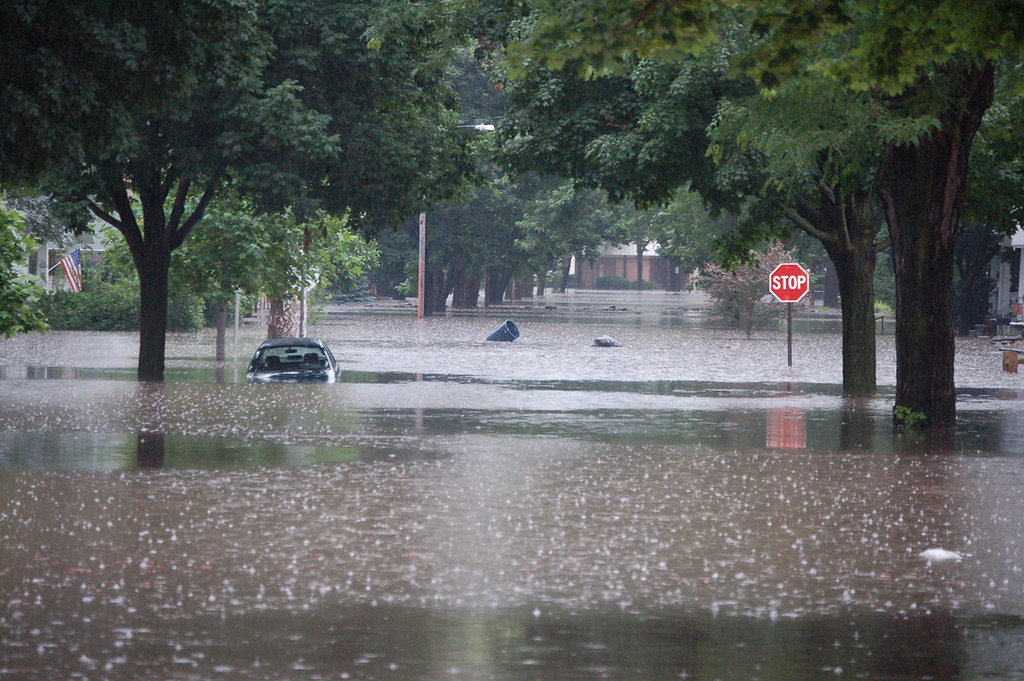
Frequently Asked Questions
How quickly does mold grow after flooding?
Will my homeowner's insurance cover flood damage restoration?
What should I NOT do after my home floods?
How quickly can DRT respond?
Do I need to file my insurance claim before calling DRT?
DRT serves Washington City and surrounding areas. View our full Washington City service area page for more about our restoration services in your area, or browse all service areas.
Need Help Now?
The Disaster Repair Team provides 24/7 emergency restoration services across Utah.
Request Help Online