Emergency Flood & Water Damage Restoration — Ivins
- Recovery resources and next steps
- Insurance claim guidance
- Lessons learned for future prevention
- Professional restoration support
Mold can start growing within 24–48 hours of water exposure. Fast extraction and drying dramatically reduce secondary damage and health risks.
Live Conditions
Real-time weather radar for Utah
How DRT Helped Ivins Recover from the August 2026 Flash Flood — A Community Recovery Guide
Serving Ivins, Santa Clara, Hurricane, and surrounding Washington County communities
On August 14, 2026, the National Weather Service Salt Lake City issued a Flash Flood Warning at 9:08 AM MDT for the Ivins and Santa Clara area, active through 12:00 PM MDT that same day. Within hours, homes and businesses across the region faced standing water, saturated walls, damaged flooring, and the clock was already ticking on mold growth.
The Disaster Repair Team (DRT) mobilized immediately and worked alongside affected homeowners and business owners throughout the recovery process. This page documents what happened, what worked, and what our neighbors learned — so that anyone facing a similar event in the future can respond faster and recover smarter.
If you're dealing with flood or water damage right now, don't wait. Call DRT 24/7:
385-287-6344
What Happened: The August 14, 2026 Flash Flood Warning
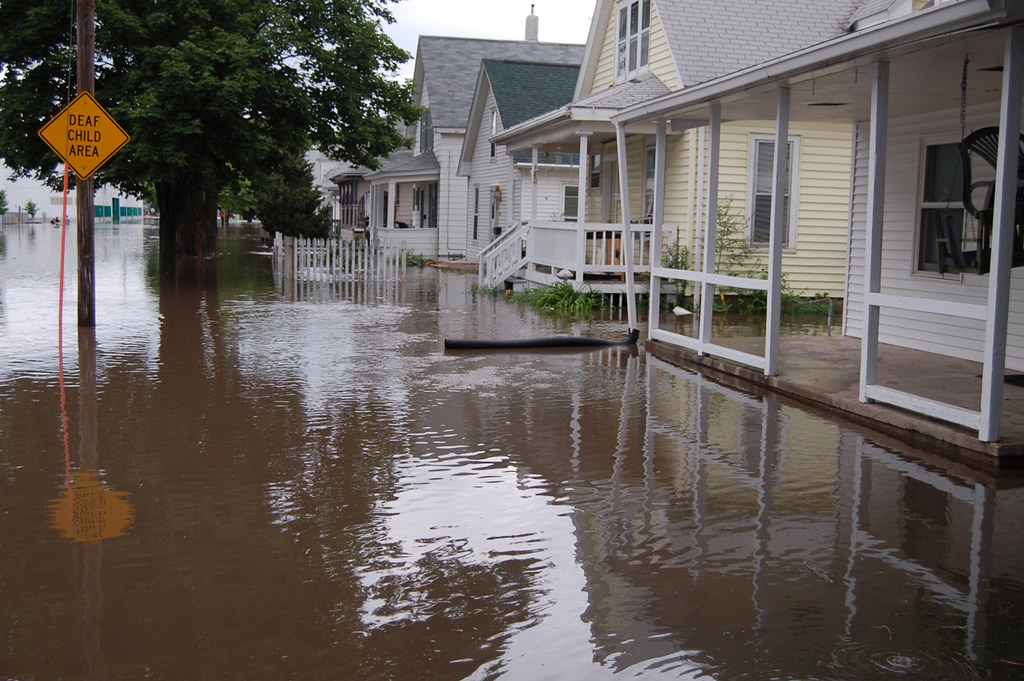
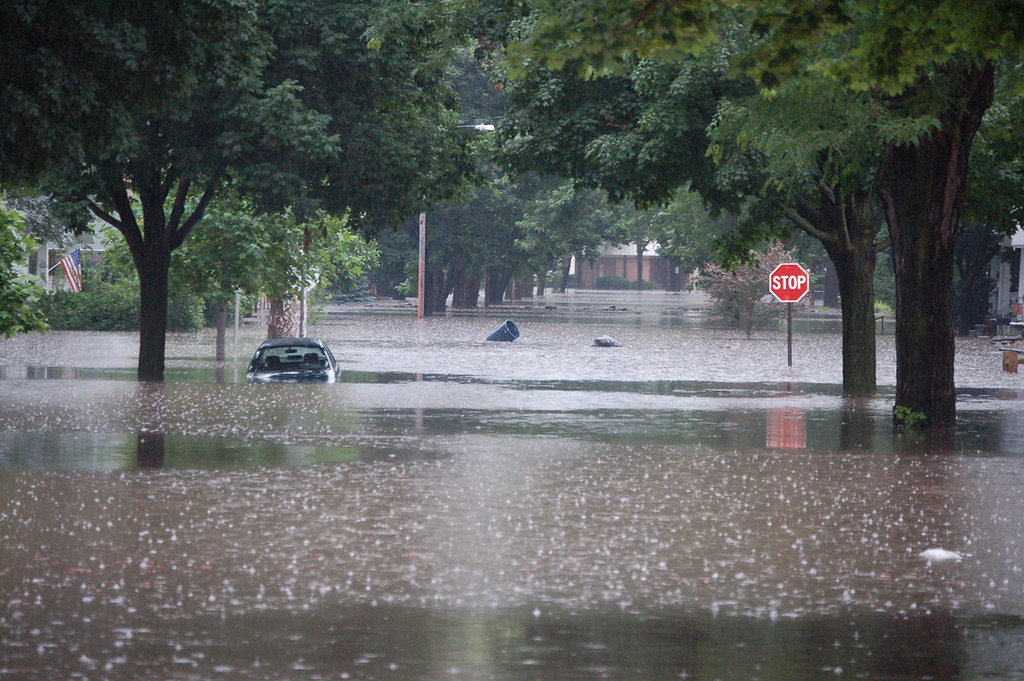
Southern Utah's desert terrain is deceptively vulnerable to flash flooding. When monsoon moisture collided with the red rock landscape around Ivins and Santa Clara, water moved fast — overwhelming drainage systems, pooling in low-lying properties, and entering structures before many residents realized what was happening.
DRT crews were on the ground the same morning the warning was issued, responding to calls from Ivins, Santa Clara, Hurricane, and neighboring communities. The damage ranged from minor water intrusion to significant structural saturation requiring full drying systems, mold prevention treatment, and coordinated insurance claims.
What Homeowners Did Right: The Recovery Checklist That Worked
Residents who fared best in the aftermath followed a clear sequence of steps. If you're recovering from any flood event, this is the same process DRT recommends:
- Prioritized family safety first — Before assessing damage, residents confirmed their families were safe and away from any structurally compromised areas, fast-moving water, or downed electrical lines.
- Documented everything with photos and video — Thorough documentation taken immediately after the event became critical evidence for insurance claims. Residents who waited lost leverage.
- Avoided re-entering compromised structures — Flood water can weaken foundations, floors, and walls quickly. DRT crews assessed structural safety before homeowners re-entered.
- Contacted their insurance company promptly — Early notification of a claim opened the door for faster approvals. DRT worked directly with adjusters to streamline the process.
- Called DRT for emergency restoration — The sooner water extraction and structural drying began, the less secondary damage — especially mold — residents faced. Every hour matters.
Facing water damage now? Call DRT immediately:
385-287-6344
How DRT Helped the Community Recover
DRT provided comprehensive emergency restoration services throughout the August 2026 event and its aftermath, including:
- 24/7 emergency water extraction — Crews arrived within hours to remove standing water and begin the drying process.
- Industrial structural drying — Commercial-grade dehumidifiers and air movers were deployed to dry walls, subfloors, and cavities before mold could take hold.
- Mold remediation — In cases where response was delayed or saturation was severe, DRT's certified remediation team addressed mold growth and treated affected materials.
- Board-up and emergency securing — Where structural damage left properties exposed, DRT secured openings to prevent further damage and unauthorized entry.
- Full rebuild coordination — From initial emergency response through final repairs, DRT served as a single point of contact, coordinating trades and working directly with insurance companies.
- Direct insurance billing — DRT handled claims coordination so homeowners could focus on their families rather than paperwork.
Lessons Learned: What the August 2026 Flood Taught Our Community
After working through dozens of properties in Ivins, Santa Clara, Hurricane, and surrounding areas, DRT documented the patterns that separated fast recoveries from prolonged ones. Here's what made the difference:
1. Speed is everything with water damage.
Mold can begin developing within 24–48 hours of water intrusion. Homeowners who called DRT within the first few hours consistently experienced less secondary damage, lower overall restoration costs, and faster return to normal living conditions.
2. Desert climates don't protect you from mold.
A common misconception in Southern Utah is that the dry climate prevents mold after flooding. It doesn't — especially inside walls, under flooring, and in enclosed cavities where moisture becomes trapped. Professional drying equipment and moisture monitoring were essential.
3. Documentation saved claims.
Homeowners who photographed and video-recorded damage before any cleanup began had significantly smoother insurance experiences. Those who cleaned up first — even with good intentions — sometimes had claims disputed.
4. Flash floods can affect properties that "never flood."
Several Ivins and Santa Clara residents affected in August 2026 had lived in their homes for years without a flooding incident. Southern Utah's storm patterns are unpredictable. Having DRT's number saved in advance — and knowing the steps to take — proved invaluable.
5. One call handled everything.
Residents who tried to coordinate separate vendors for extraction, drying, mold treatment, and repairs experienced delays, gaps in coverage, and more stress. DRT's end-to-end service model meant one call, one team, and one accountable point of contact from emergency response through final rebuild.
6. Community preparation matters.
Neighbors who shared information — about DRT's response, about the claims process, about what worked — helped each other recover faster. If you found this guide useful, share it with your neighbors in Ivins, Santa Clara, Hurricane, Washington City, or St. George.
DRT: Southern Utah's Local Restoration Team
DRT — the Disaster Repair Team — is based in Southern Utah and has been serving Washington County communities through floods, fires, and storm events for years. We know the terrain, we know the insurance landscape, and we've been through events like August 2026 before. When the next storm comes, we'll be ready again.
We provide 24/7 emergency restoration services including water extraction, structural drying, board-up, smoke and soot removal, mold remediation, and full rebuild coordination — and we work directly with your insurance company so you don't have to.
Whether you're recovering from a past event or preparing for what Southern Utah's monsoon seasons may bring next, DRT is your local, experienced team.
Save our number now. Call or text DRT 24/7:
385-287-6344
We serve Ivins, Santa Clara, Hurricane, Washington City, St. George, La Verkin, Toquerville, and surrounding Washington County communities.
```Most homeowner policies cover sudden water damage (burst pipes, appliance failures). Natural flooding typically requires separate flood insurance. Either way, DRT documents everything from day one — moisture readings, photos, scope of work — so your claim is supported whether it goes through your standard policy or a flood policy.
Frequently Asked Questions
How quickly does mold grow after flooding?
Will my homeowner's insurance cover flood damage restoration?
What should I NOT do after my home floods?
How quickly can DRT respond?
Do I need to file my insurance claim before calling DRT?
DRT serves Ivins and surrounding areas. View our full Ivins service area page for more about our restoration services in your area, or browse all service areas.
Need Help Now?
The Disaster Repair Team provides 24/7 emergency restoration services across Utah.
Request Help Online